Custom Printed Tray Liners & Placemats for Restaurants, Cafés & Foodservice
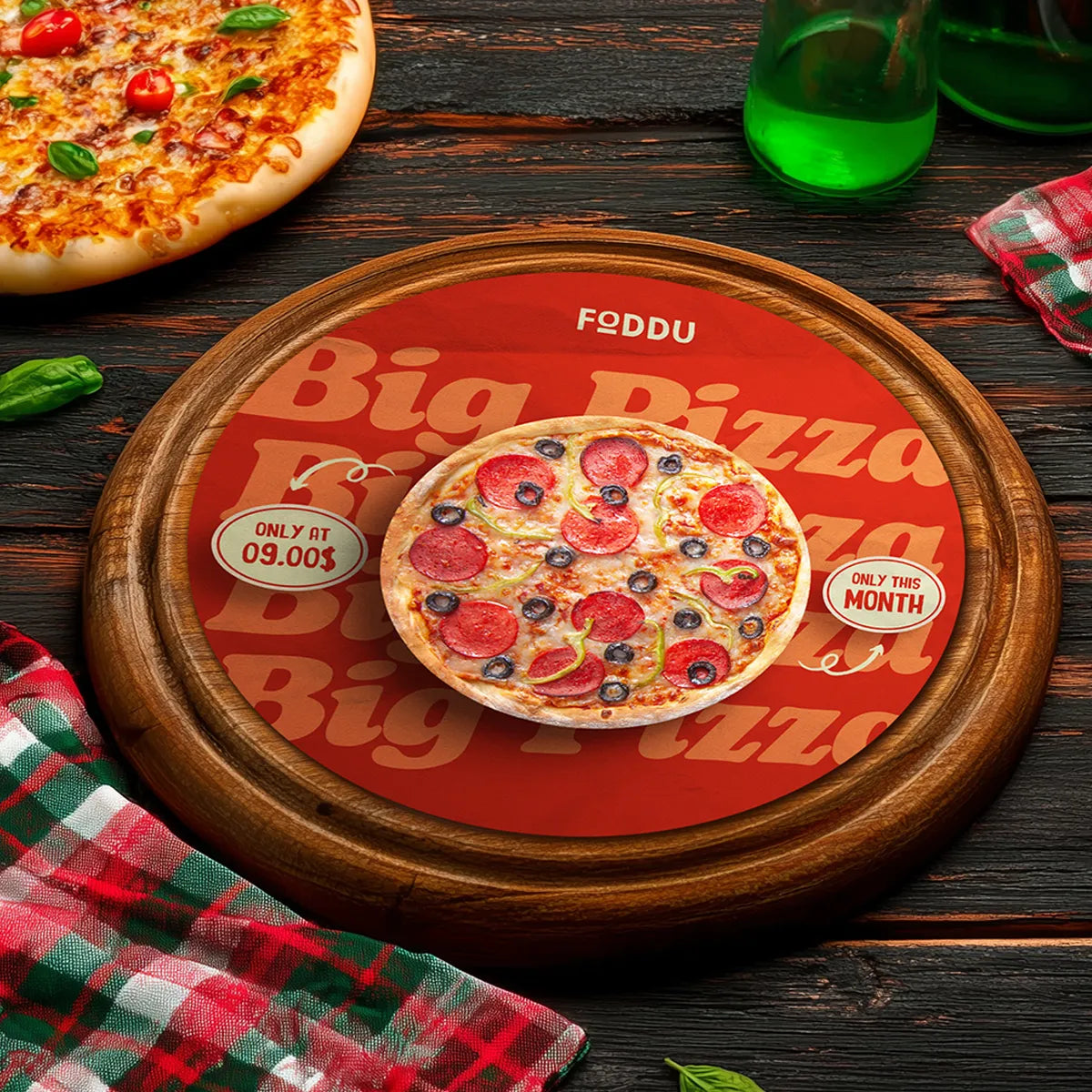
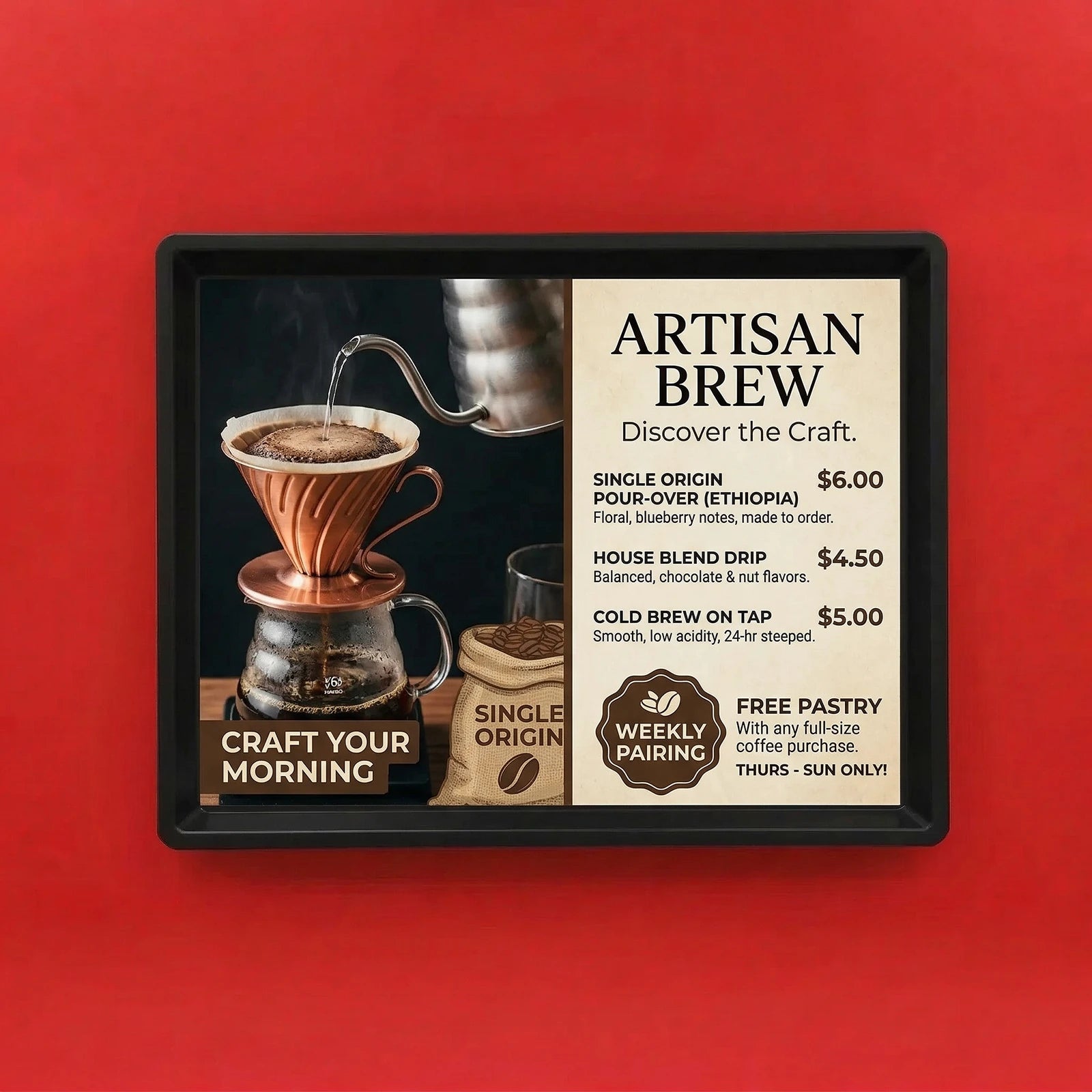
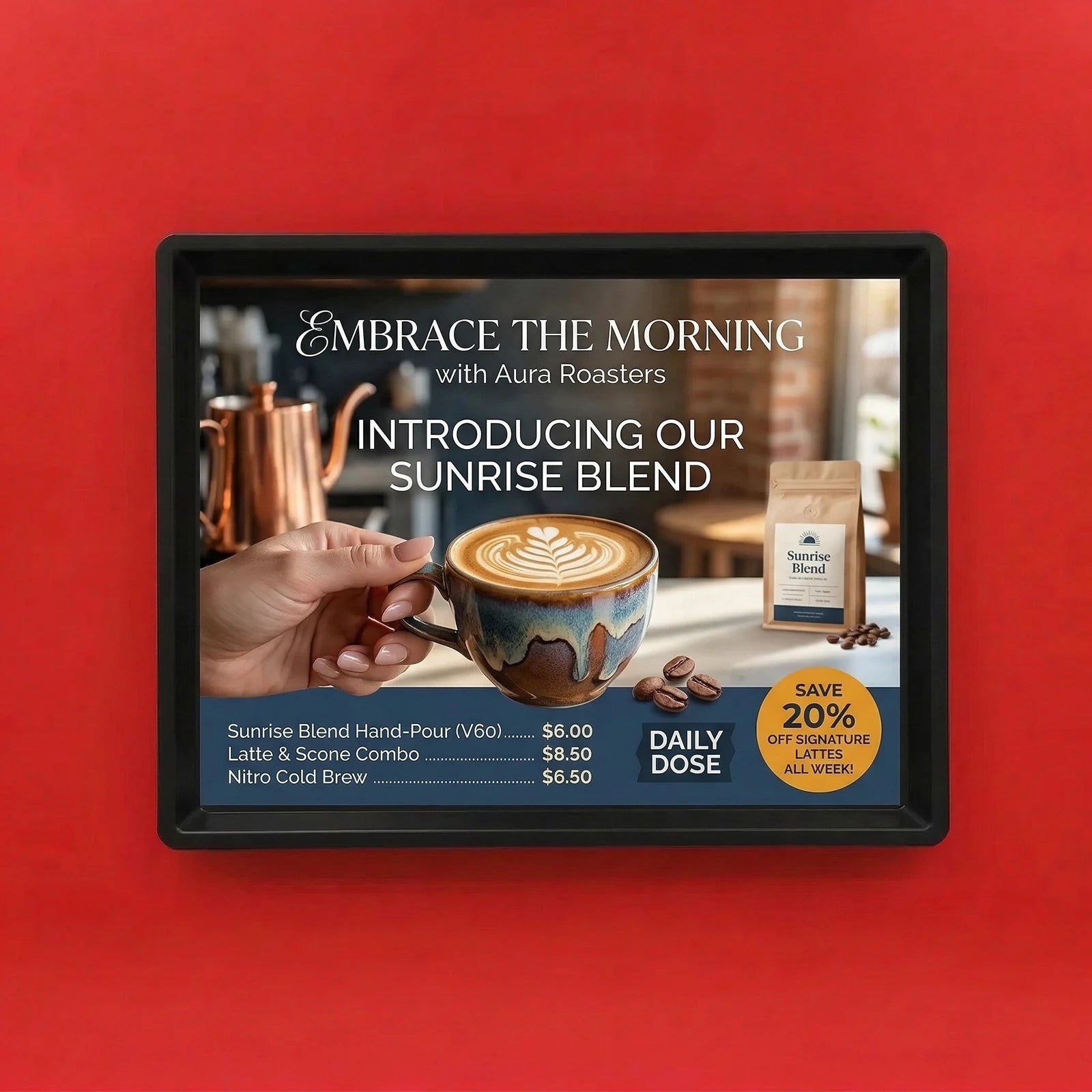
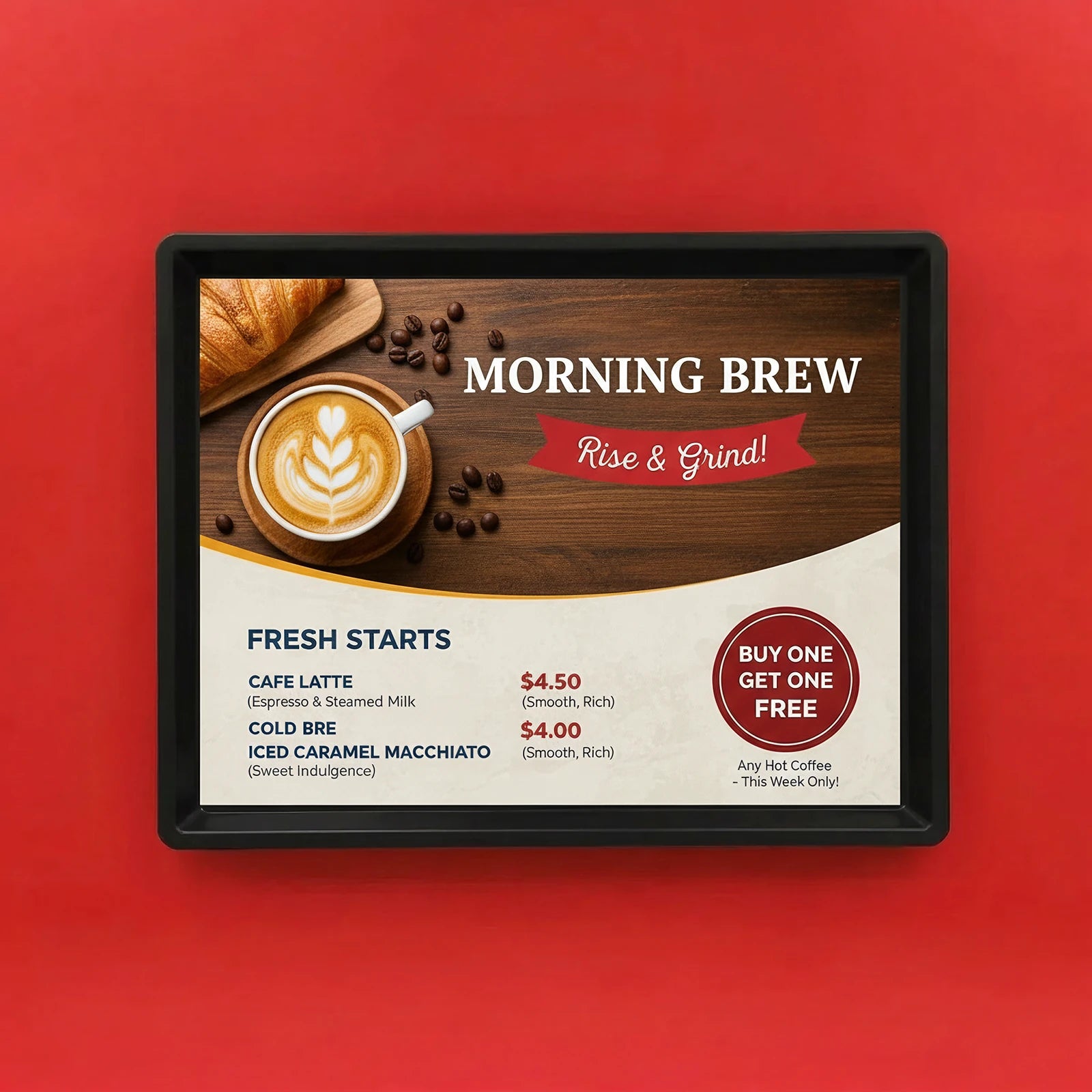
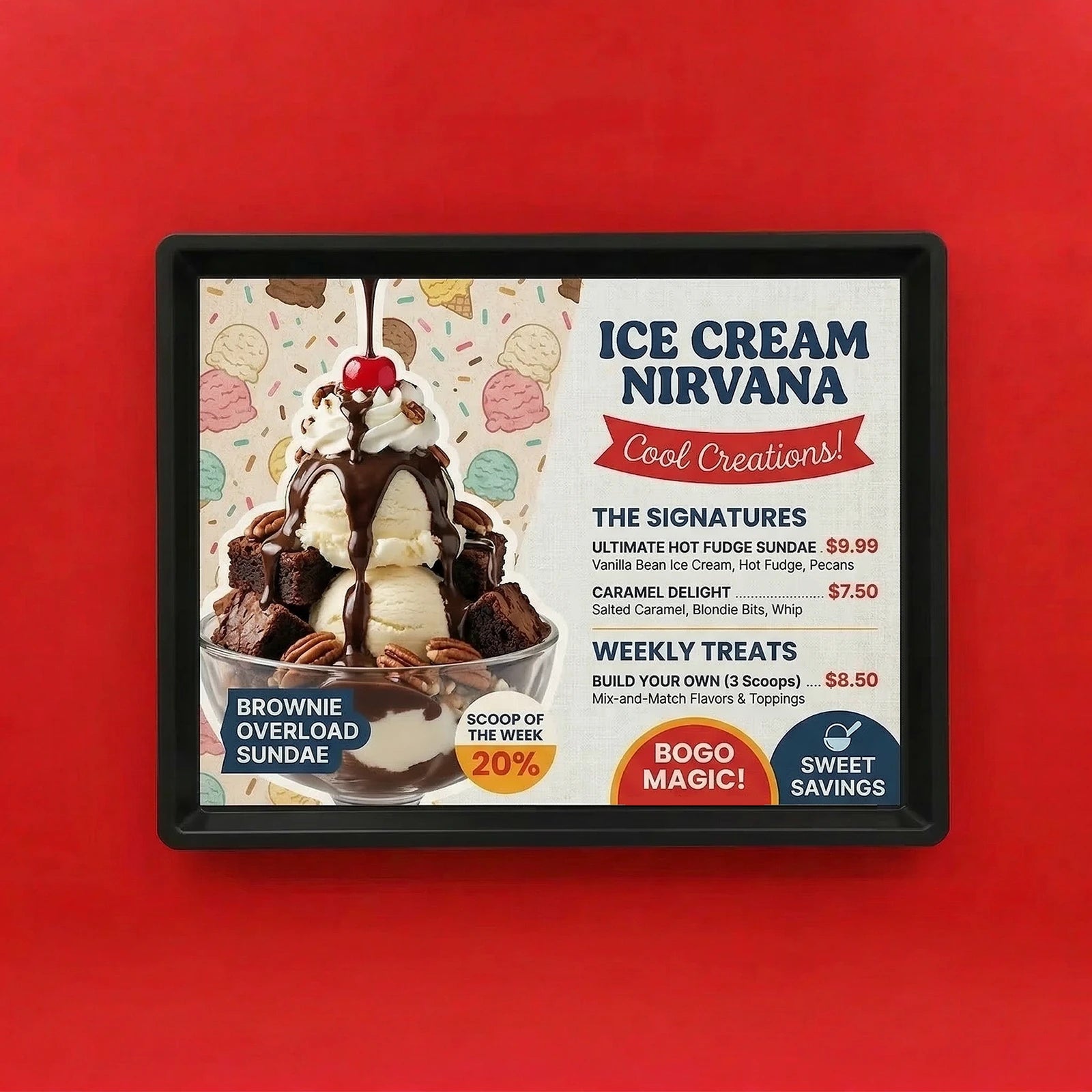
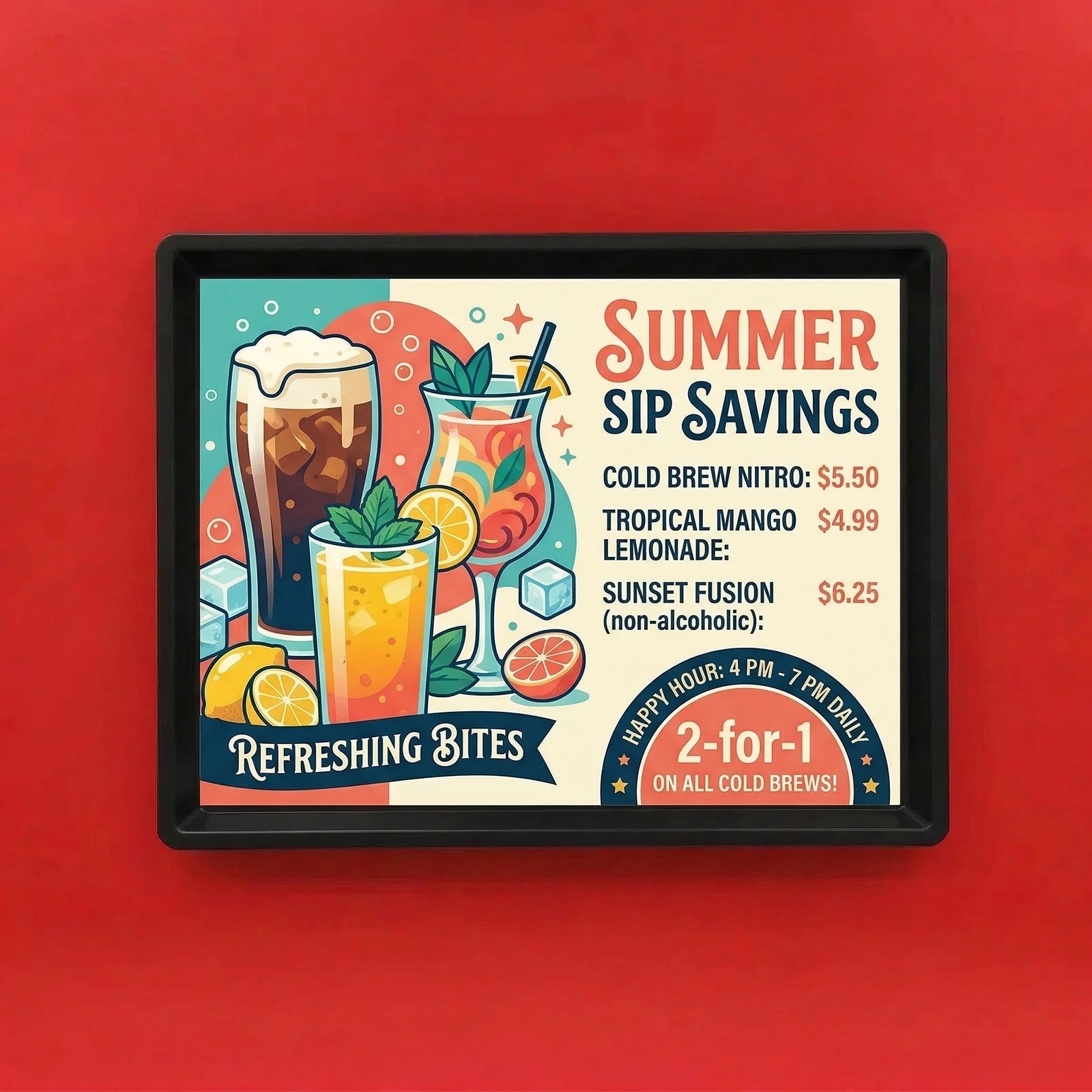
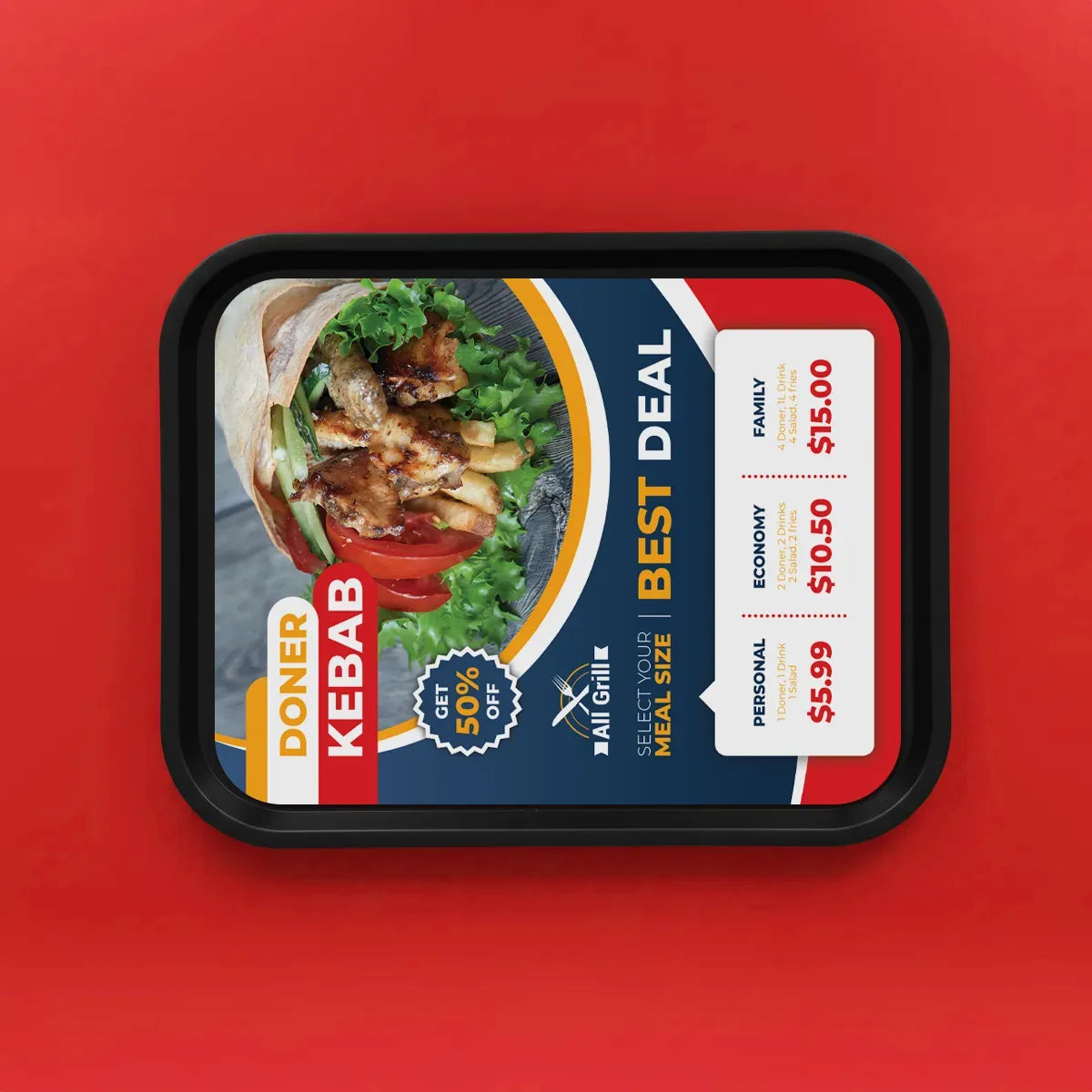
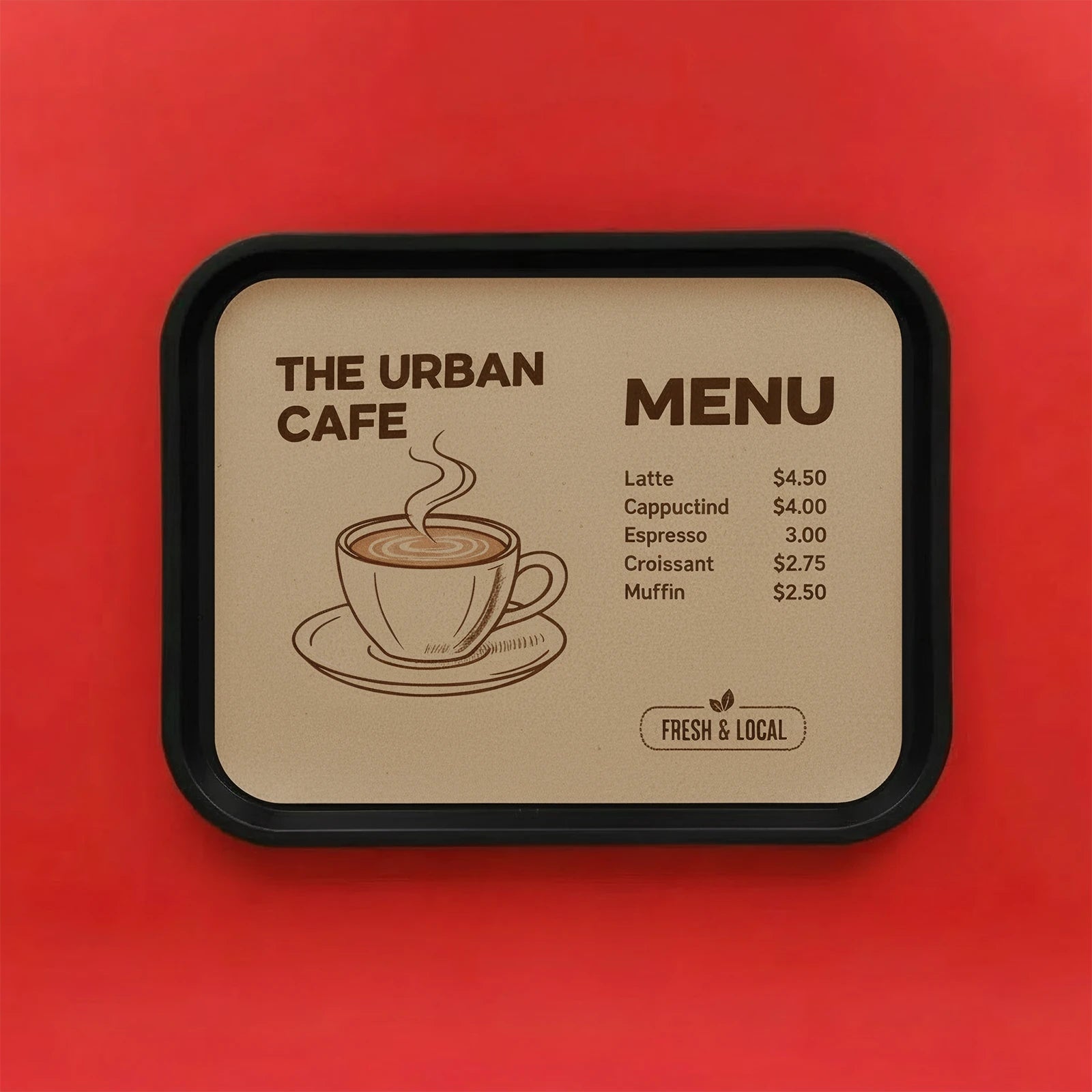
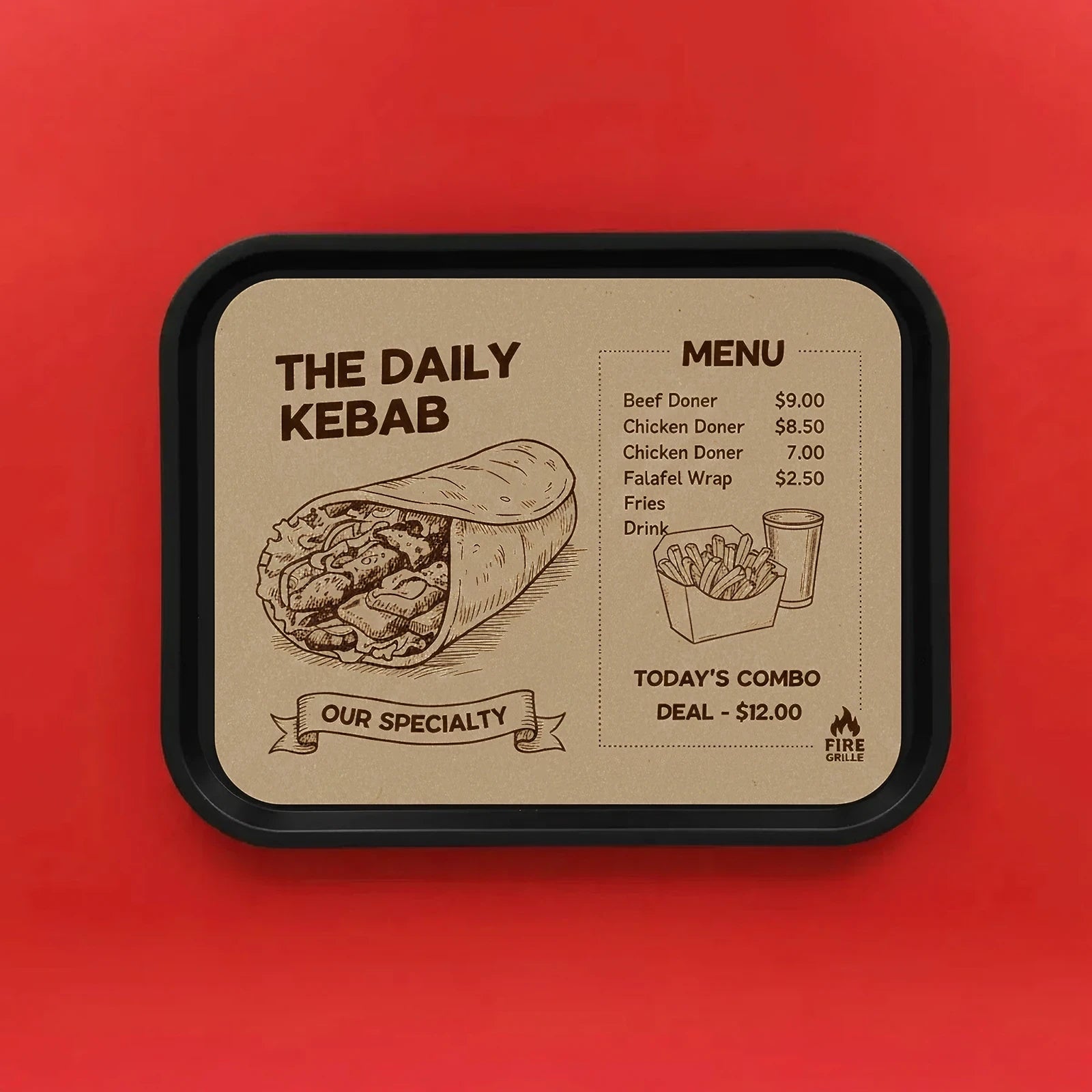
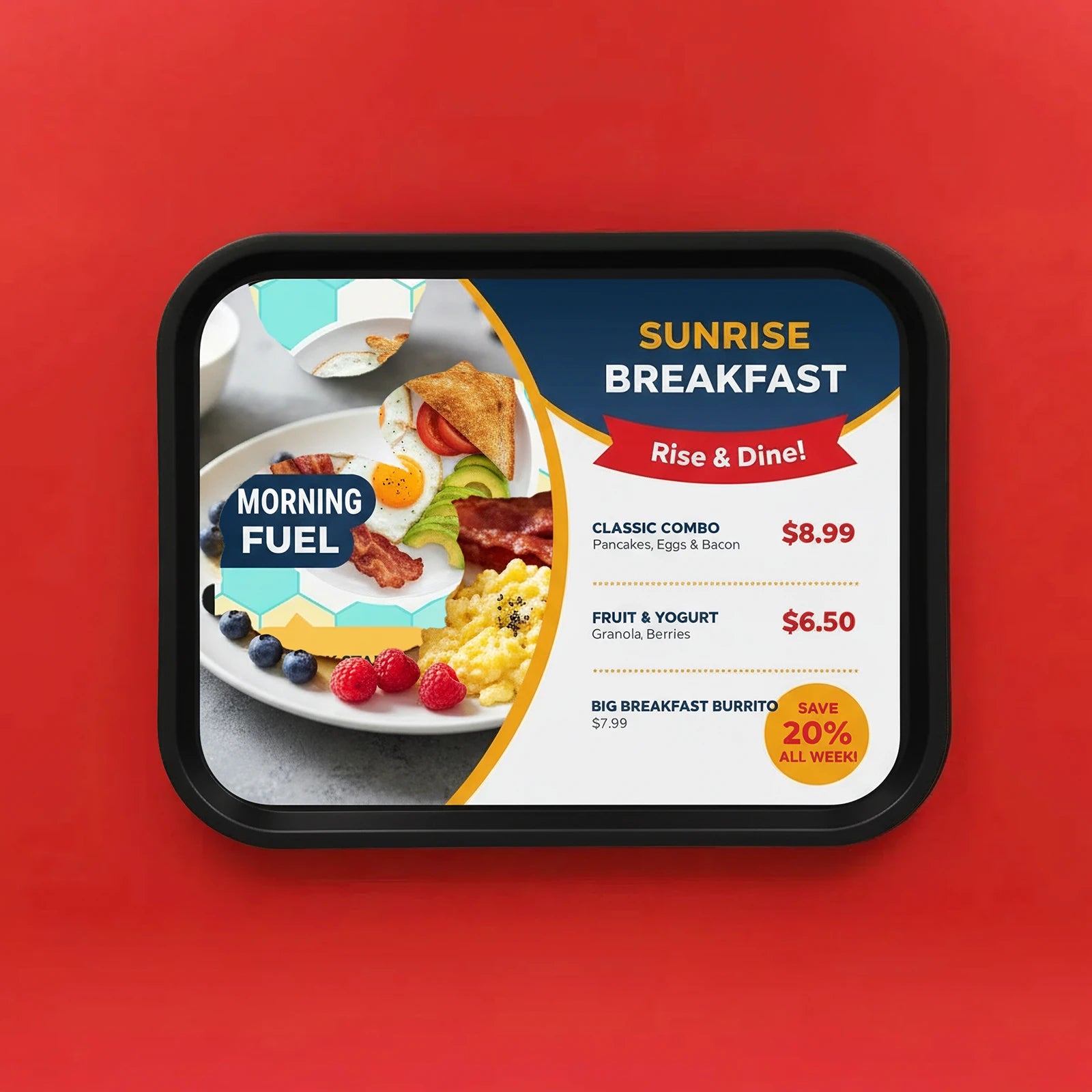
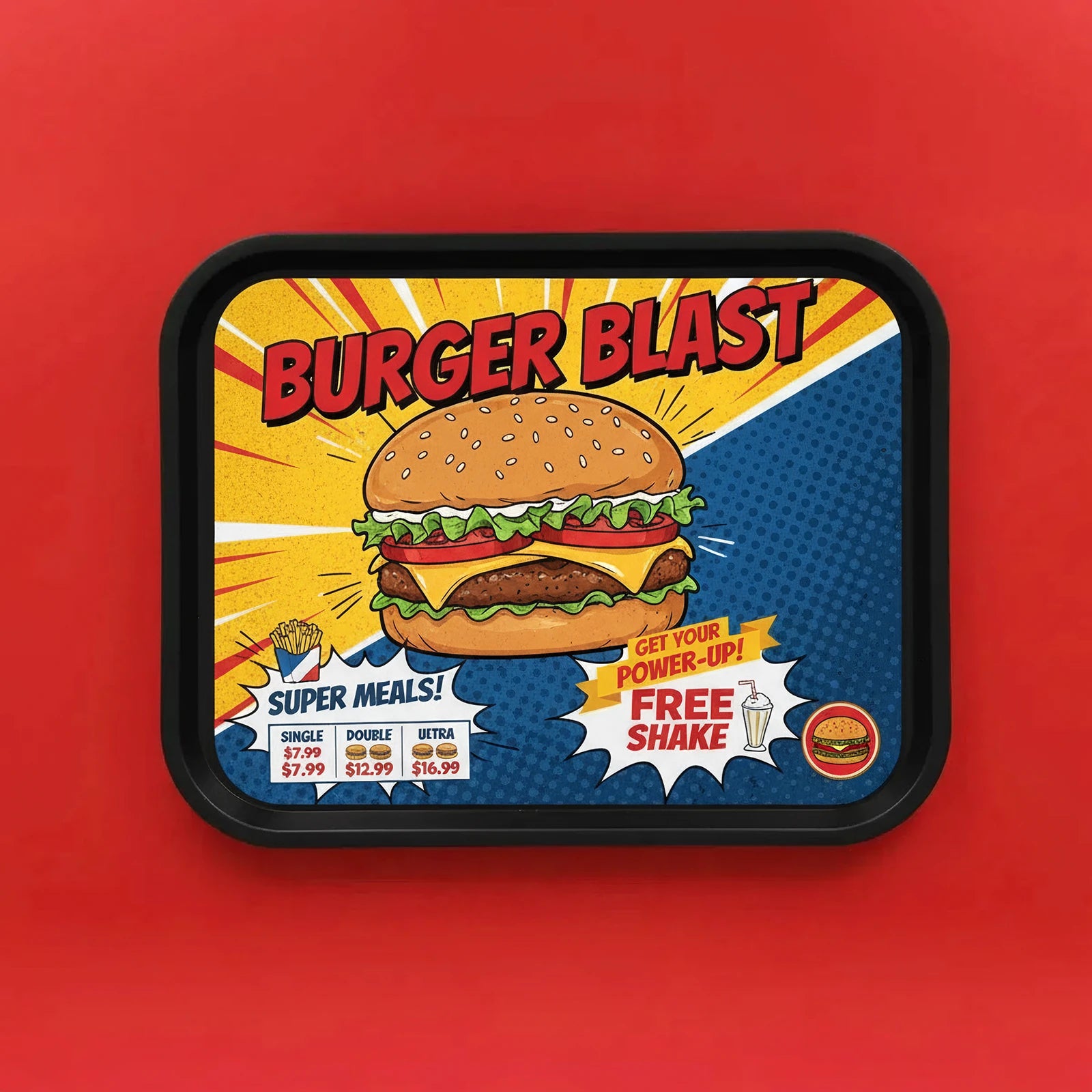
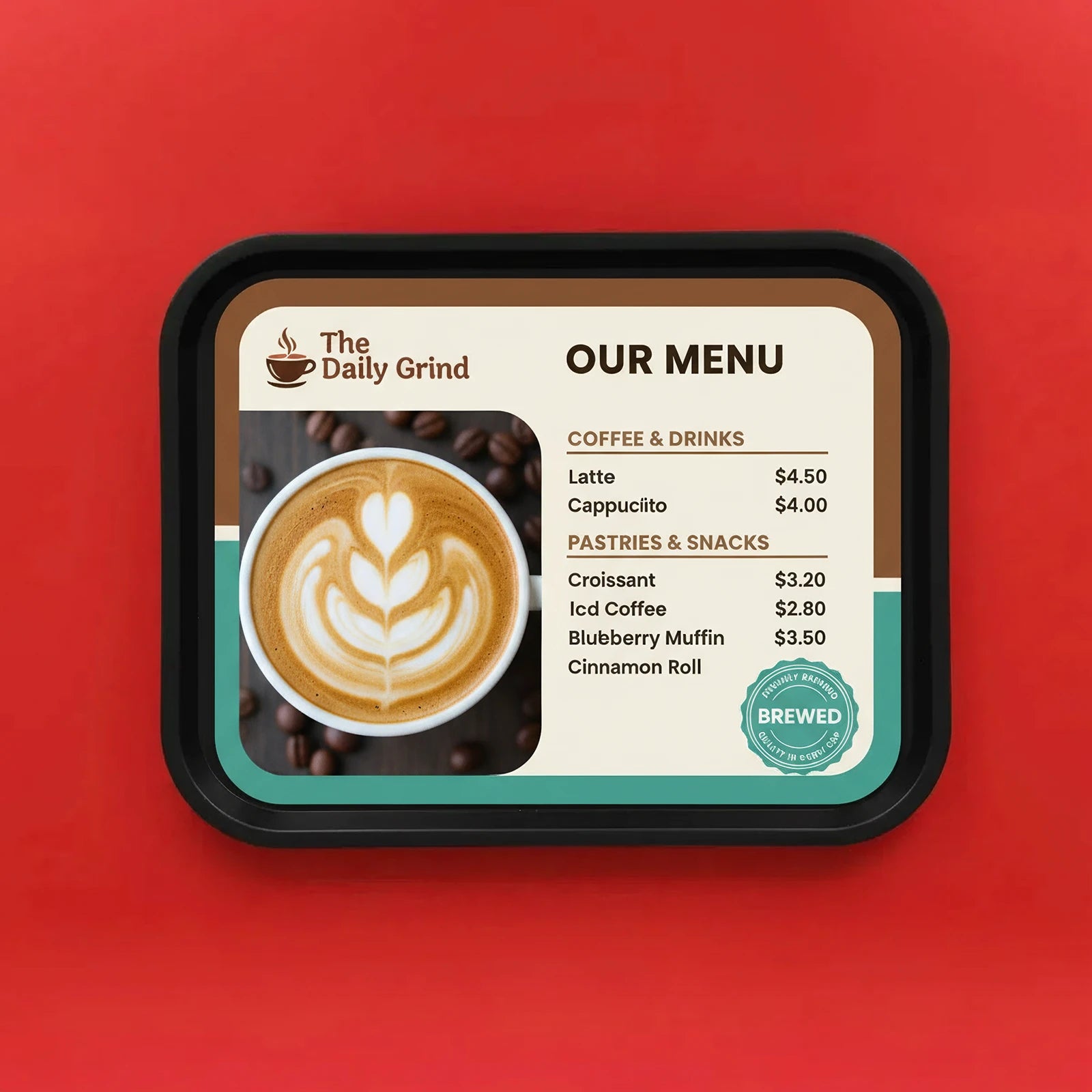
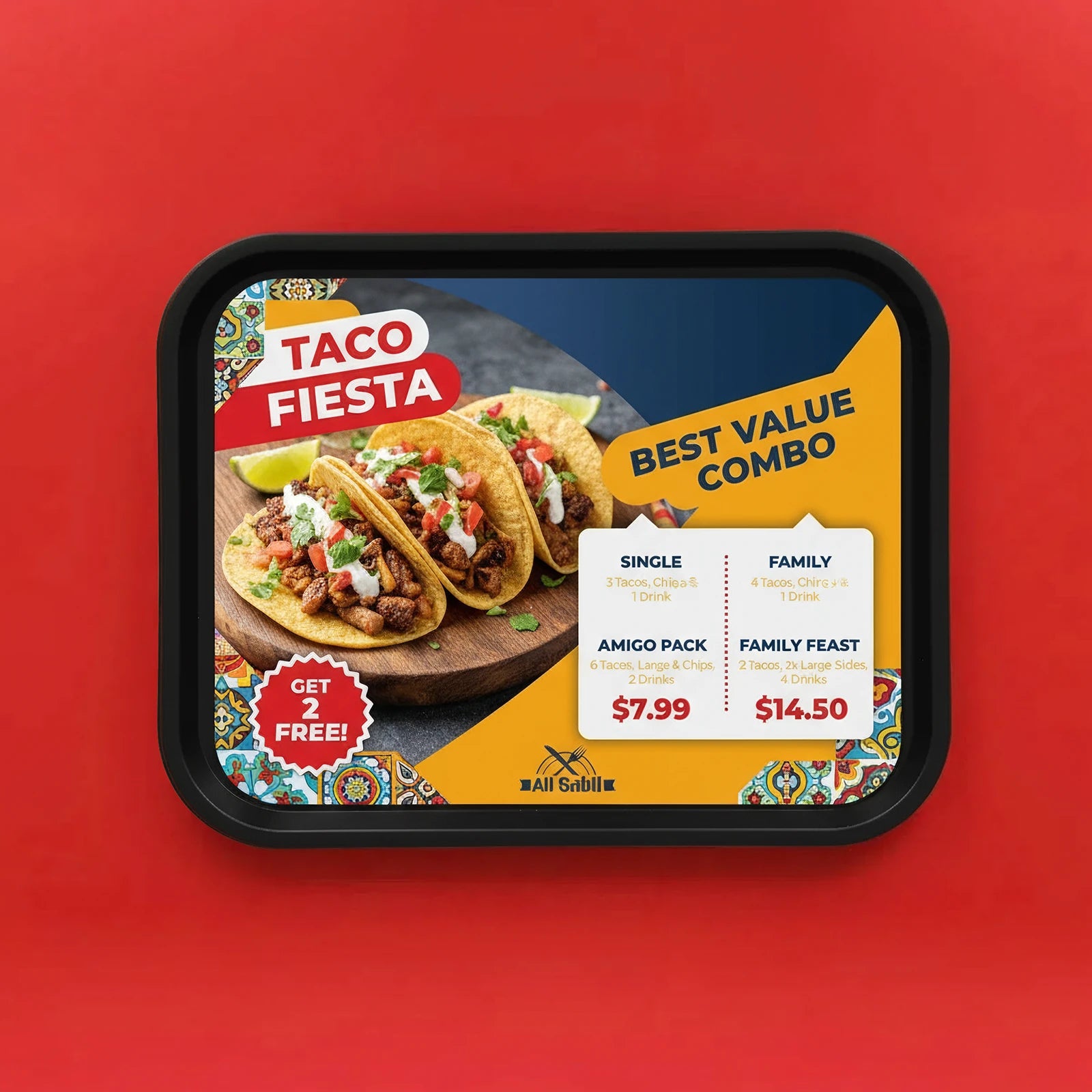
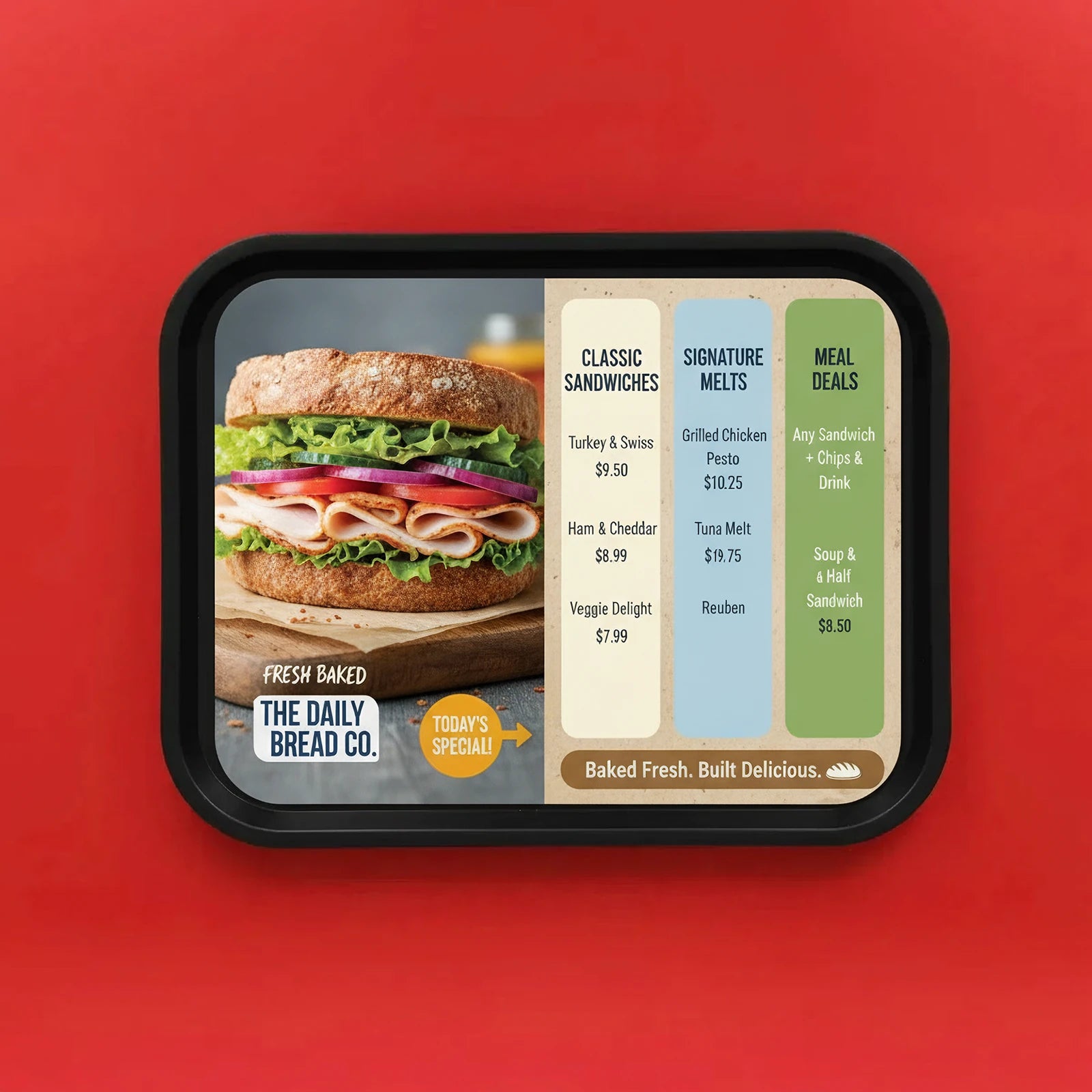
Custom printed tray liners turn the surface of a serving tray into a visible branded area while helping restaurants, cafés, fast-food businesses and food courts create a more consistent customer presentation.
Also searched as custom tray liners, printed placemats, branded tray liners, paper tray liners or tray liners with logo, these printed paper formats can be placed beneath food packaging, plates, cups and other service items on trays or tables.
Packonic's current range includes White and Brown greaseproof paper, Kraft paper, Offset paper, Matt and Glossy paper options, together with standard, rounded-edge and custom-shape tray liner formats. Selected current products start from 250 pieces, allowing businesses to match the liner to the tray, table layout, branding and service environment rather than relying on one generic paper format.
What Are Custom Printed Tray Liners?
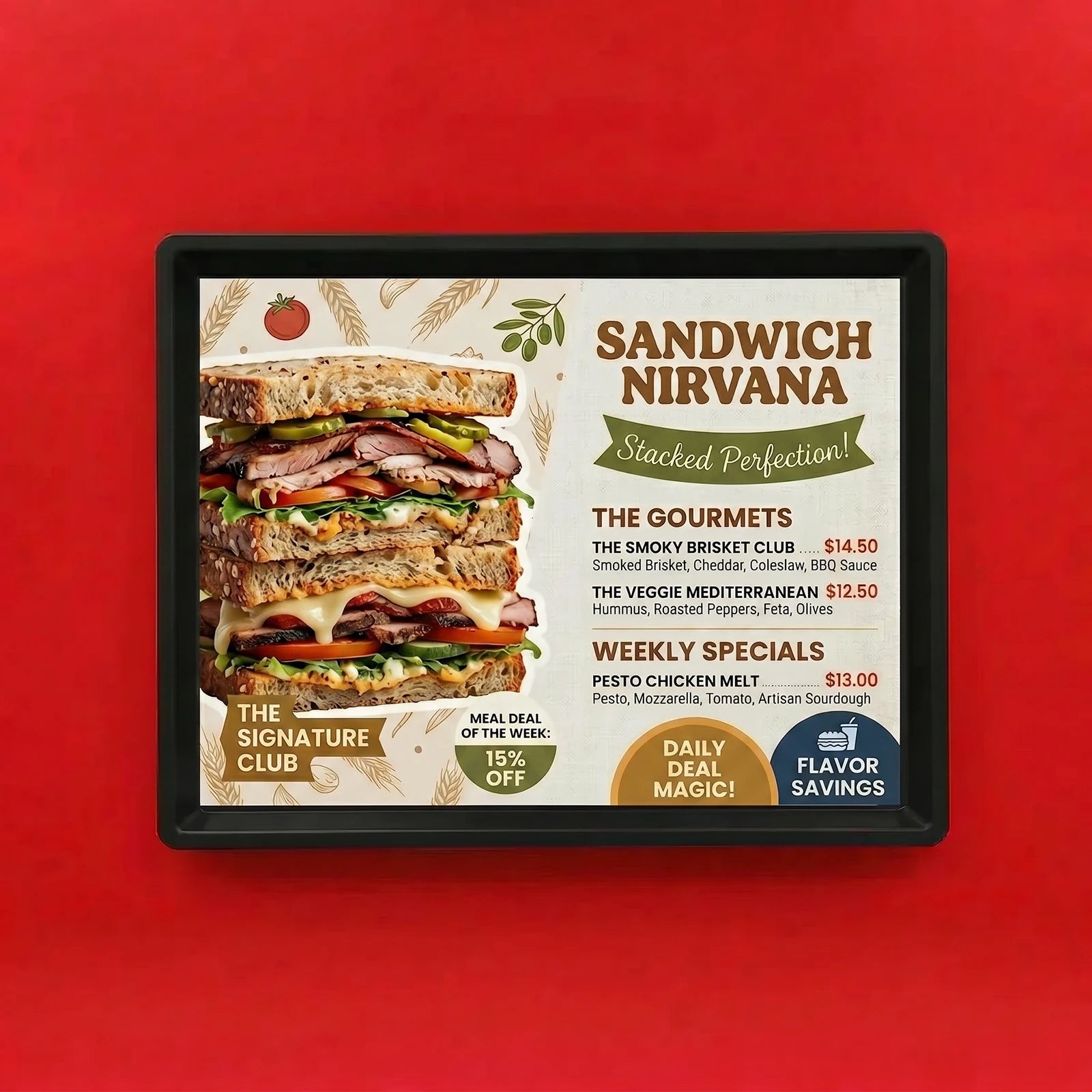
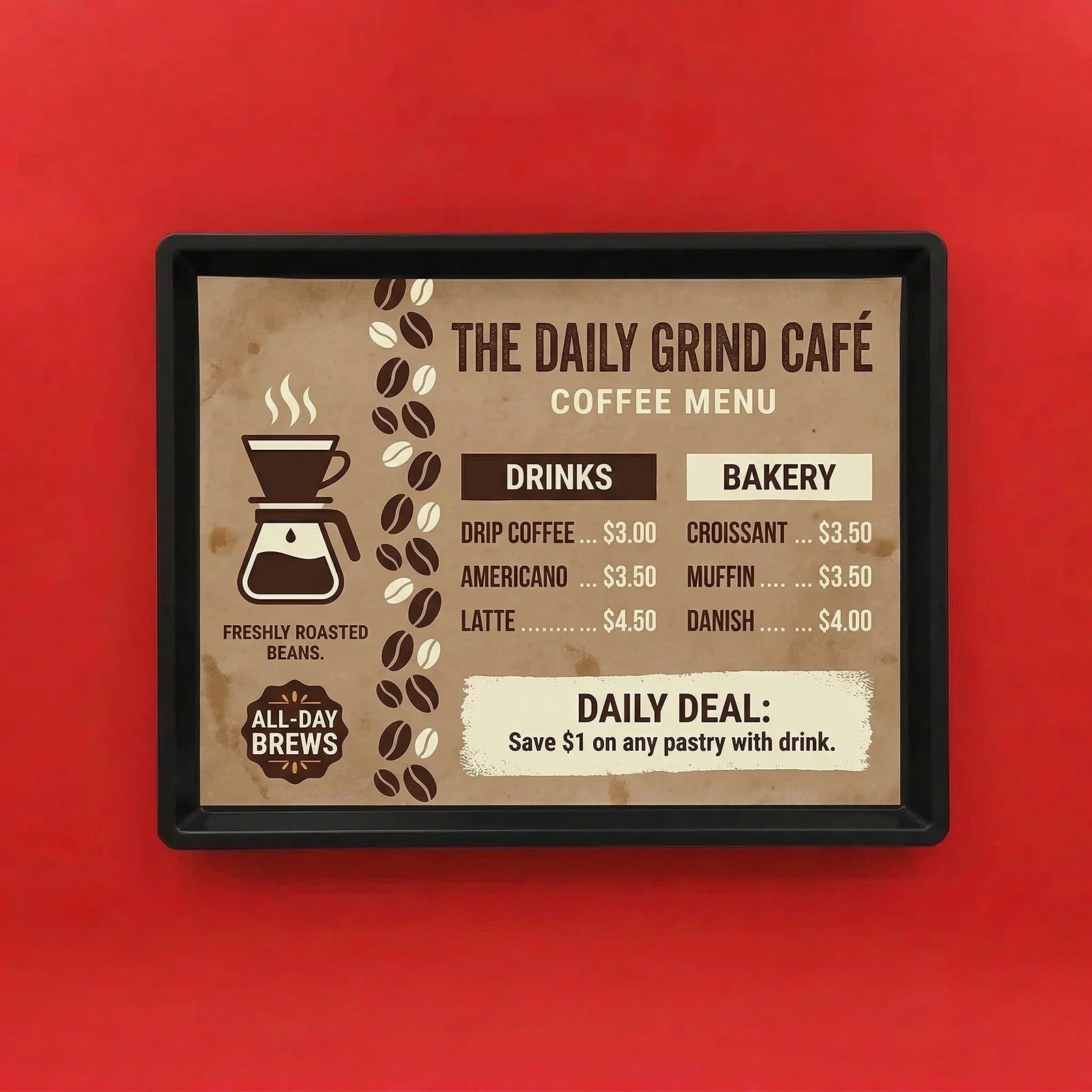
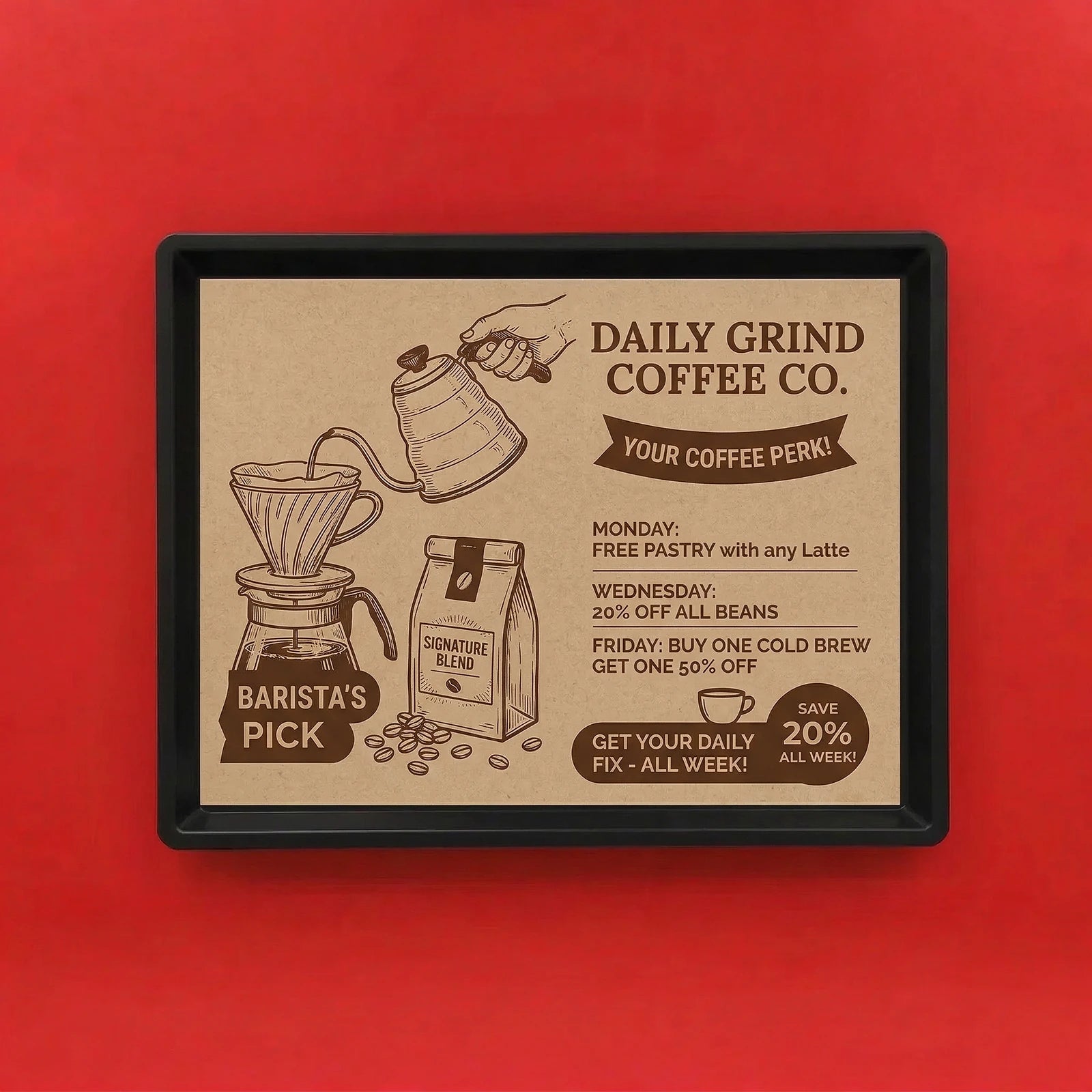
Custom printed tray liners are paper sheets designed to sit on foodservice trays or other presentation surfaces and carry a business's own logo, artwork or printed message.
They can serve several functions at the same time:
- create a cleaner and more consistent tray presentation,
- keep the restaurant logo visible beneath the order,
- provide a larger printed surface than many individual food packages,
- support temporary promotions or seasonal campaigns,
- and visually connect several different food and drink packages within one meal.
This makes tray liners especially useful in restaurants where burgers, fries, drinks, boxes and other packaging may all appear together on the same tray.
What Is the Difference Between a Tray Liner and a Placemat?
A tray liner is primarily selected to fit inside or over a serving tray, while a printed placemat is normally used directly on a table or counter surface.
The same printed paper format can sometimes serve either purpose when the dimensions, paper type and service setup are suitable, but the buying decision should begin with the physical surface where the liner will actually be used.
Choose a Tray Liner When:
- food and drinks are delivered to customers on a serving tray,
- the paper needs to fit a defined tray dimension,
- the brand wants a visible printed surface beneath the complete order,
- or trays are reused throughout high-volume service.
Choose a Printed Placemat When:
- the paper will sit directly on the table,
- a larger table branding area is required,
- the restaurant wants each place setting to have its own printed surface,
- or the design functions more as part of table presentation than tray service.
Can Tray Liners Be Printed With a Logo?
Yes. Custom tray liners can be printed with a logo, brand name or custom artwork, turning an otherwise plain tray surface into part of the restaurant's visual identity.
Artwork can include:
- restaurant logos,
- brand names and typography,
- repeat patterns,
- campaign graphics,
- seasonal designs,
- promotional messages,
- menu highlights,
- QR codes where appropriate,
- or simple branded backgrounds.
Because a tray liner offers a relatively large flat printable surface, the design can do more than repeat a small logo. The important point is to keep the main branding visible even after food boxes, cups and plates are placed on top.
Which Tray Liner Size Should You Choose?
The correct tray liner size should be based on the actual internal tray area rather than simply choosing the largest available format.
Verified current Packonic tray liner formats include:
- 210 × 297 mm
- 280 × 380 mm
- 297 × 420 mm
210 × 297 mm Tray Liners
The 210 × 297 mm format provides a compact printed surface and can suit smaller trays, café service and more limited food presentations.
280 × 380 mm Tray Liners
The 280 × 380 mm option provides more surface area for restaurant and fast-food trays where several food and drink items need to sit together.
297 × 420 mm Tray Liners
The 297 × 420 mm format provides the largest of these verified standard sizes and can be useful for larger trays, food courts and restaurant setups where a broader printed background is needed.
Measure the usable tray surface before ordering. The liner should sit comfortably within the tray without curling excessively at the edges or leaving so much empty space that the printed design appears poorly positioned.
Which Paper Type Is Best for Custom Tray Liners?
There is no single best tray liner material. The correct choice depends on whether the priority is foodservice practicality, printed presentation, paper feel or overall brand appearance.
The current Packonic range includes several distinct paper types:
- 40 GSM White Greaseproof Paper
- 40 GSM Brown Greaseproof Paper
- 70 GSM Kraft Paper
- 80 GSM Offset Paper
- 90 GSM Matt Paper
- 90 GSM Glossy Paper
- 115 GSM Matt Paper
- 115 GSM Glossy Paper
These options should not be treated as interchangeable because paper weight, surface and appearance influence both the printed result and how the liner behaves during service.
40 GSM Greaseproof Tray Liners
Greaseproof tray liners are particularly relevant in foodservice environments where the paper sits close to burgers, fries, sandwiches, bakery products and other foods.
Packonic currently offers both White and Brown 40 GSM greaseproof tray liner formats.
The Rounded Edge Tray Liner – 40 GSM White Greaseproof Paper currently starts from 250 pieces in the verified product data.
The Rounded Edge Tray Liner – 40 GSM Brown Greaseproof Paper provides the corresponding Brown option.
Verified dimensions include:
- 210 × 297 mm,
- 280 × 380 mm,
- 297 × 420 mm.
Both key formats use Offset Printing.
White or Brown Greaseproof Tray Liners?
The practical paper type may be similar, but the visual effect is different.
White Greaseproof Tray Liners
White paper provides a neutral background and can work well when:
- the logo uses brighter colours,
- strong contrast is important,
- the restaurant has a clean or modern identity,
- or the printed artwork should remain visually prominent.
Brown Greaseproof Tray Liners
Brown greaseproof paper creates a more natural Kraft-style appearance and can suit:
- burger restaurants,
- street-food concepts,
- artisan cafés,
- casual dining,
- and brands using black, dark or earth-tone artwork.
70 GSM Kraft Tray Liners
The Rounded Edge Tray Liner – 70 GSM Kraft Paper offers a heavier Kraft-paper alternative to the 40 GSM greaseproof formats.
Verified product data lists:
- MOQ: 250 pieces
- Material: Kraft Paper
- Paper weight: 70 GSM
- Printing: Offset Printing
- Sizes: 210 × 297 mm, 280 × 380 mm and 297 × 420 mm
Kraft tray liners can be a strong visual choice for casual restaurants, coffee shops, burger concepts and other brands that intentionally use natural brown paper throughout their packaging.
80 GSM Offset Paper Tray Liners
The current collection also includes 80 GSM Offset Paper tray liners.
This option moves away from the thinner greaseproof paper formats and towards a more conventional printed-paper presentation.
It can be considered where:
- printed graphics are a major part of the tray design,
- the liner is primarily being used as a branded presentation surface,
- the restaurant wants a more substantial paper feel than 40 GSM greaseproof,
- or food is already contained in boxes, trays, cups or plates.
Matt or Glossy Tray Liners?
Packonic's current tray liner range also includes 90 GSM and 115 GSM Matt and Glossy paper options.
The choice between Matt and Glossy should be based on the desired printed appearance rather than assuming one finish is universally better.
Matt Tray Liners
Matt paper can work well for:
- minimal branding,
- premium casual dining,
- designs with softer visual tones,
- or layouts where reduced surface shine is preferred.
Glossy Tray Liners
Glossy paper can be considered when:
- strong colour impact is important,
- the design contains vivid graphics,
- campaign artwork needs greater visual presence,
- or the restaurant prefers a more reflective printed finish.
90 GSM or 115 GSM Tray Liners?
The difference between 90 GSM and 115 GSM is primarily paper weight.
A 90 GSM tray liner provides a mid-weight printed-paper option, while 115 GSM provides a heavier and more substantial sheet.
Choose according to how the liner will be handled:
- 90 GSM: suitable where a stronger printed sheet is required without moving to the heaviest current option.
- 115 GSM: useful where paper feel and presentation are particularly important.
The heavier paper does not automatically make a tray liner better. High-volume fast-food service may benefit from a different specification than a restaurant using printed liners primarily as part of table presentation.
115 GSM Matt & Glossy Rounded Edge Tray Liners
For a heavier printed-paper option, Packonic offers both Rounded Edge Tray Liner – 115 GSM Matt Paper and Rounded Edge Tray Liner – 115 GSM Glossy Paper.
Verified specifications for these products include:
- MOQ: 250 pieces
- Material: Offset Paper
- Paper weight: 115 GSM
- Printing: Offset Printing
- Sizes: 210 × 297 mm, 280 × 380 mm and 297 × 420 mm
These formats can suit restaurants where the liner functions as a significant part of the printed table or tray presentation rather than simply as a lightweight disposable sheet.
Rounded Edge or Standard Tray Liners?
The current range includes both standard tray liners and rounded-edge tray liners.
The functional difference is primarily the shape of the corners and how the sheet visually sits within the tray.
Choose a Standard Tray Liner When:
- a conventional rectangular sheet matches the tray,
- straight corners fit comfortably within the service surface,
- or the design does not require a shaped edge.
Choose Rounded Edges When:
- the serving tray itself has rounded internal corners,
- a softer visual shape fits the restaurant presentation,
- or the liner is intended to follow the form of the tray more closely.
The best option is the one that fits the real tray rather than choosing rounded edges only for appearance.
When Should You Choose a Custom Shape Tray Liner?
A standard rectangle will not suit every tray or branding concept. The current Packonic range also includes a Custom Shape Tray Liner option for projects requiring a different outline.
Custom shapes can be relevant when:
- the serving tray has unusual dimensions,
- the venue uses a distinctive table presentation,
- the liner needs to follow a specific physical surface,
- or the shape itself forms part of the visual concept.
For most businesses, however, a standard or rounded-edge format will be simpler to specify and reorder.
Which Tray Liner Is Best for Restaurants?
The best tray liner depends on the restaurant's service model.
A useful starting point is:
- Fast food and burger restaurants: consider greaseproof or Kraft formats where foodservice practicality and quick tray turnover matter.
- Cafés: Kraft, Offset or lighter printed formats can support coffee, bakery and casual food presentation.
- Food courts: choose a size and paper specification that works with repeated high-volume tray use.
- Casual restaurants: Matt, Glossy or heavier paper options may provide more visual impact.
- Campaign or promotional service: choose a paper surface that supports the artwork and message being printed.
Custom Tray Liners for Fast-Food Restaurants
Fast-food restaurants are one of the strongest use cases for printed tray liners because customers frequently receive the entire meal on a reusable serving tray.
The liner can visually connect:
- burger boxes,
- fries packaging,
- cups,
- napkins,
- sauces,
- and other parts of the order.
This creates a large branded surface without requiring every single packaging component to carry extensive printing.
Printed Placemats for Cafés & Casual Dining
Printed placemats can be useful in cafés and casual restaurants where food is served directly at tables rather than only on trays.
They can provide a defined place setting and keep branding visible underneath plates, baskets, cups and food packaging.
Where food is already contained inside packaging or tableware, Offset, Matt or Glossy paper options can be selected primarily according to visual presentation and print requirements.
Custom Tray Liners for Food Courts
Food courts combine high tray turnover with limited opportunities for a restaurant to control the surrounding dining environment.
A branded tray liner creates a customer-facing area that remains under the meal even after the order leaves the counter.
For high-volume food court use, businesses should consider:
- tray dimensions,
- daily number of orders,
- how quickly staff replace liners,
- paper storage space,
- and whether artwork remains consistent or changes regularly.
How Should Artwork Be Designed for a Tray Liner?
A tray liner is often partially covered during service. Food boxes, cups, plates and cutlery may hide a large part of the printed surface.
For this reason, important artwork should not be designed only around how the liner looks when empty.
Before approving a design, consider:
- placing the logo where it remains visible after food is added,
- keeping essential messages away from areas normally covered by plates or boxes,
- using a repeat pattern where visibility from several areas matters,
- making QR codes large enough to scan in the real service environment,
- and testing the design with a complete meal placed on the tray.
Offset Printing for Custom Printed Tray Liners
Verified key Packonic tray liner products use Offset Printing.
This print process is available across several materials within the current range, including:
- 40 GSM greaseproof paper,
- 70 GSM Kraft paper,
- and selected heavier Offset, Matt and Glossy paper formats.
Because the print surface differs between White, Brown, Kraft, Matt and Glossy materials, artwork should be prepared with the selected paper in mind.
What Is the Minimum Order for Custom Printed Tray Liners?
Many current Packonic standard and rounded-edge tray liner products start from 250 pieces.
This lower starting quantity can be useful for:
- independent restaurants,
- new café openings,
- temporary campaigns,
- seasonal artwork,
- events,
- menu launches,
- or businesses testing different tray liner materials before committing to higher volumes.
MOQ should still be checked on the exact selected product, particularly for custom shapes or other specialist configurations.
Wholesale & Bulk Custom Tray Liners
Restaurants and foodservice chains with predictable tray usage may eventually need wholesale custom tray liners or bulk printed placemats.
Before increasing quantities, calculate:
- average trays served per day,
- number of liners used per customer,
- monthly usage by location,
- the number of required liner sizes,
- how frequently artwork changes,
- seasonal promotions,
- and available storage space.
A multi-location fast-food chain with permanent artwork can plan stock very differently from a restaurant that changes tray liner designs for monthly campaigns.
How Long Do Custom Tray Liners Take to Produce?
Selected current Packonic tray liner products list approximately:
- Standard delivery: 14–21 business days
- Express delivery: 5–10 business days
Businesses working towards an opening date, campaign, event or seasonal launch should check the exact product and current delivery estimate before placing the order.
Custom Printed Tray Liners for Businesses Across Europe
Businesses sourcing custom printed tray liners in Europe should compare size, paper material, paper weight, edge style, print requirements, MOQ and service environment rather than choosing only according to price.
Packonic.eu provides multiple tray liner and printed placemat formats for European restaurants, cafés, fast-food operators and food courts, ranging from lightweight greaseproof paper to heavier Matt and Glossy printed sheets.
A practical selection process is:
- measure the tray or table surface,
- choose the correct liner dimensions,
- select standard, rounded-edge or custom shape,
- choose greaseproof, Kraft, Offset, Matt or Glossy paper,
- prepare artwork around the real food placement,
- check MOQ and delivery time,
- and calculate quantities according to actual tray turnover.
Build a Complete Branded Foodservice Presentation
Tray liners work best as part of the wider restaurant presentation rather than as an isolated printed item.
The broader custom food packaging range can be used for restaurants requiring multiple branded food packaging formats.
Custom food boxes provide structural packaging for individual meals placed on the tray.
Custom printed greaseproof paper can provide wrapping or food-lining formats where a pre-cut tray liner is not the primary requirement.
Custom printed napkins add another practical branded service item directly beside the meal.
Custom printed paper bags provide the outer carrier for takeaway orders when the food leaves the restaurant rather than being served on a tray.
What Should You Check Before Ordering Custom Printed Tray Liners?
Before ordering custom printed tray liners or printed placemats, match the specification to the real service environment.
- Use: serving tray, tabletop, food court, café or restaurant service.
- Dimensions: compare 210 × 297 mm, 280 × 380 mm and 297 × 420 mm options.
- Shape: choose standard, rounded-edge or custom shape according to the physical tray.
- Paper type: compare greaseproof, Kraft, Offset, Matt and Glossy materials.
- Paper weight: current formats include 40, 70, 80, 90 and 115 GSM options.
- Colour: compare White, Brown and Kraft backgrounds according to artwork.
- Printing: verified key products use Offset Printing.
- Artwork: position important branding where food and drink items will not completely cover it.
- MOQ: many current standard formats start from 250 pieces.
- Delivery: selected products currently list 14–21 business days standard and 5–10 business days express.
- Volume: calculate consumption according to real tray turnover rather than only customer count.
- Related packaging: consider food boxes, greaseproof paper, napkins and carrier bags as part of the complete service system.
Custom printed tray liners work best when tray size, paper material, GSM, edge style, artwork and service volume are selected together. By choosing the liner around the real restaurant workflow, businesses can create a practical branded surface that remains visible throughout the meal while connecting different food and drink packaging into one consistent customer presentation.