Custom Food Boxes for Restaurants, Takeaways & Food Brands
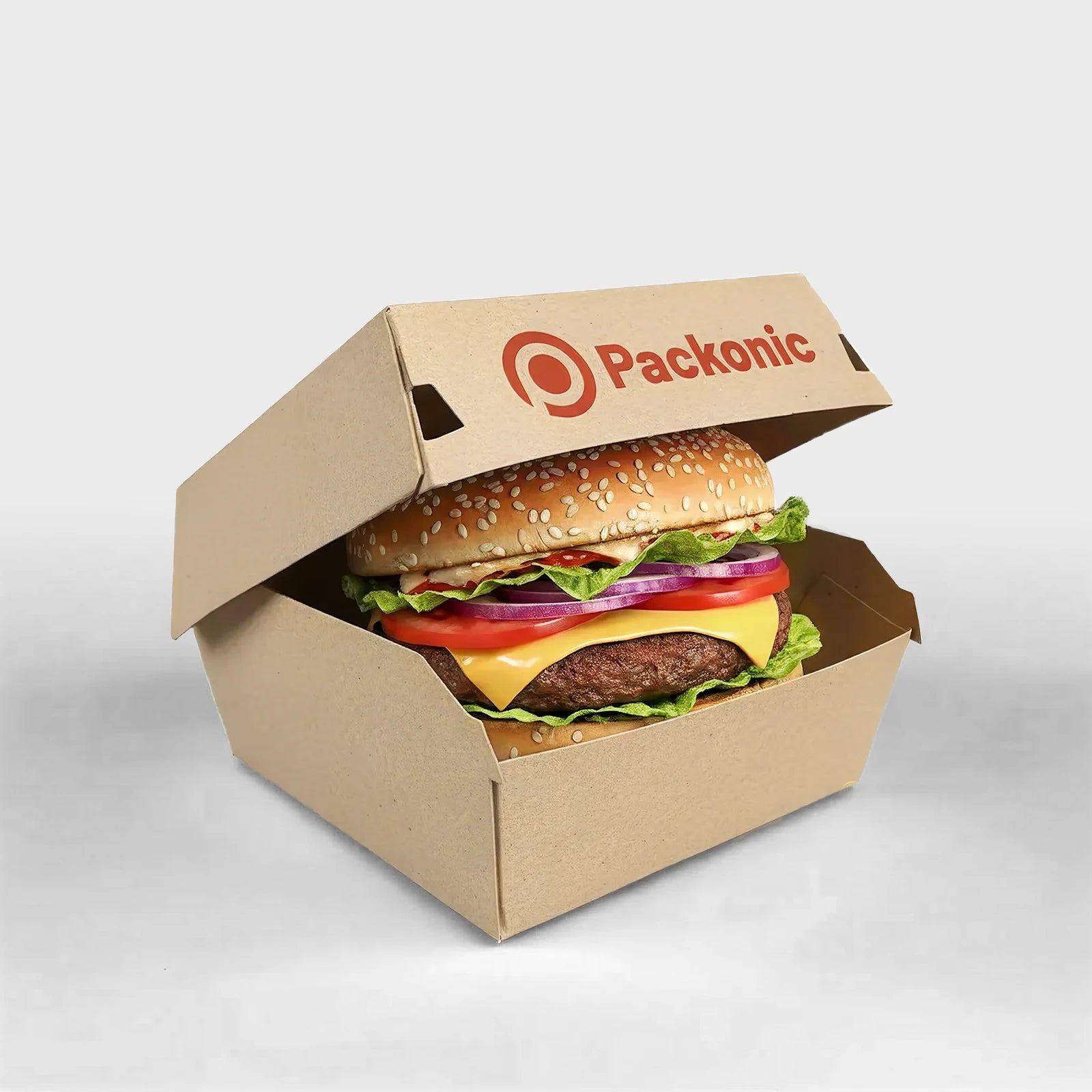
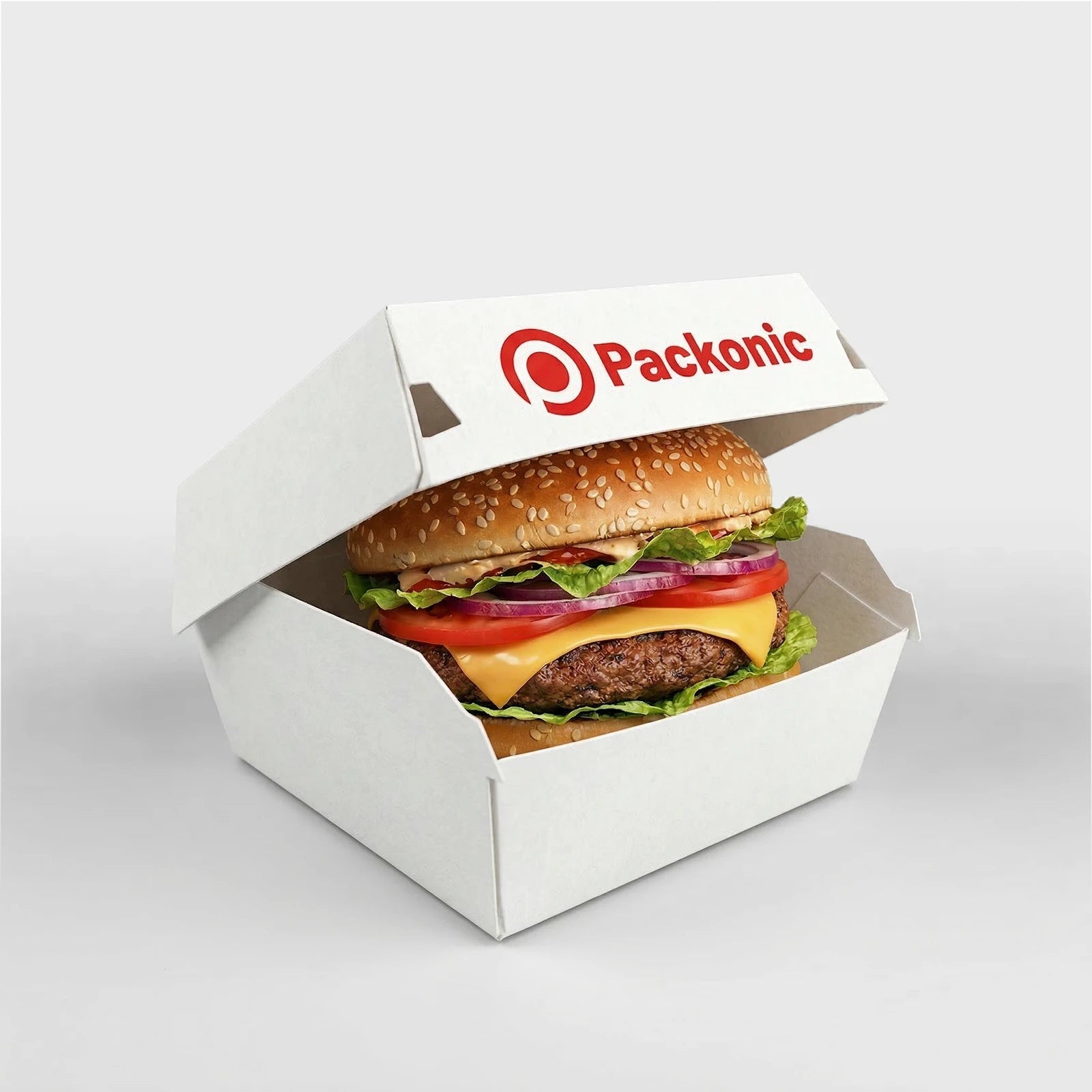
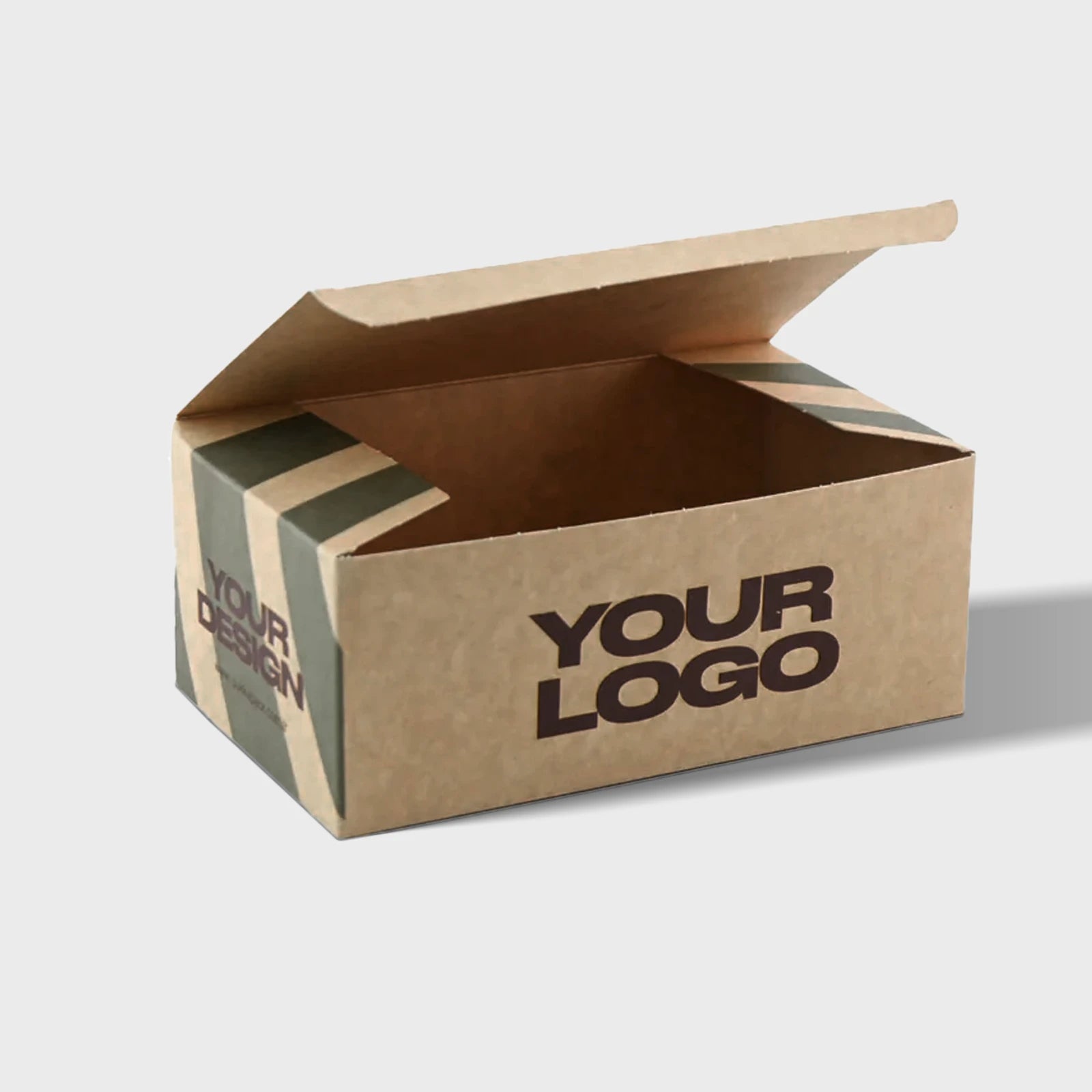
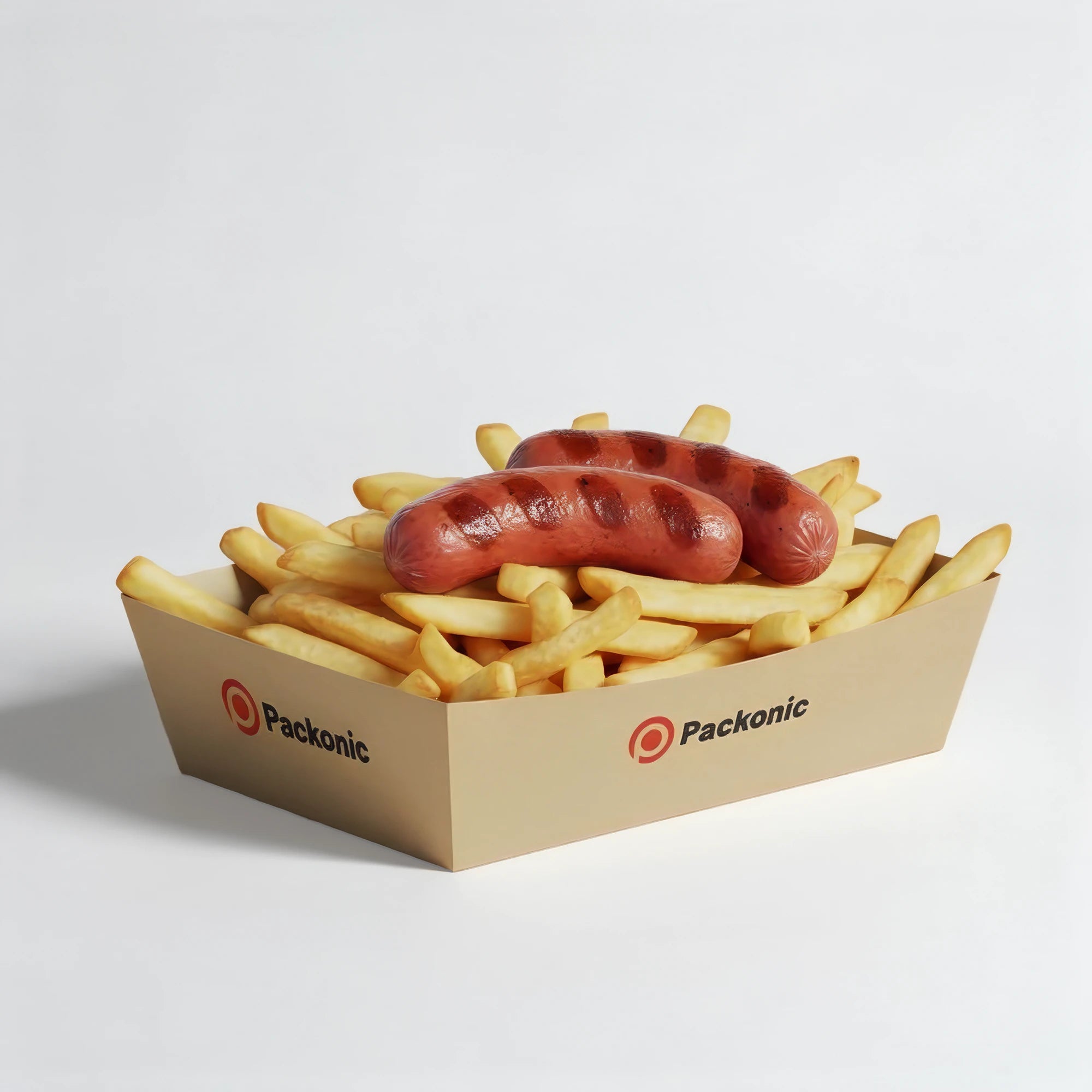
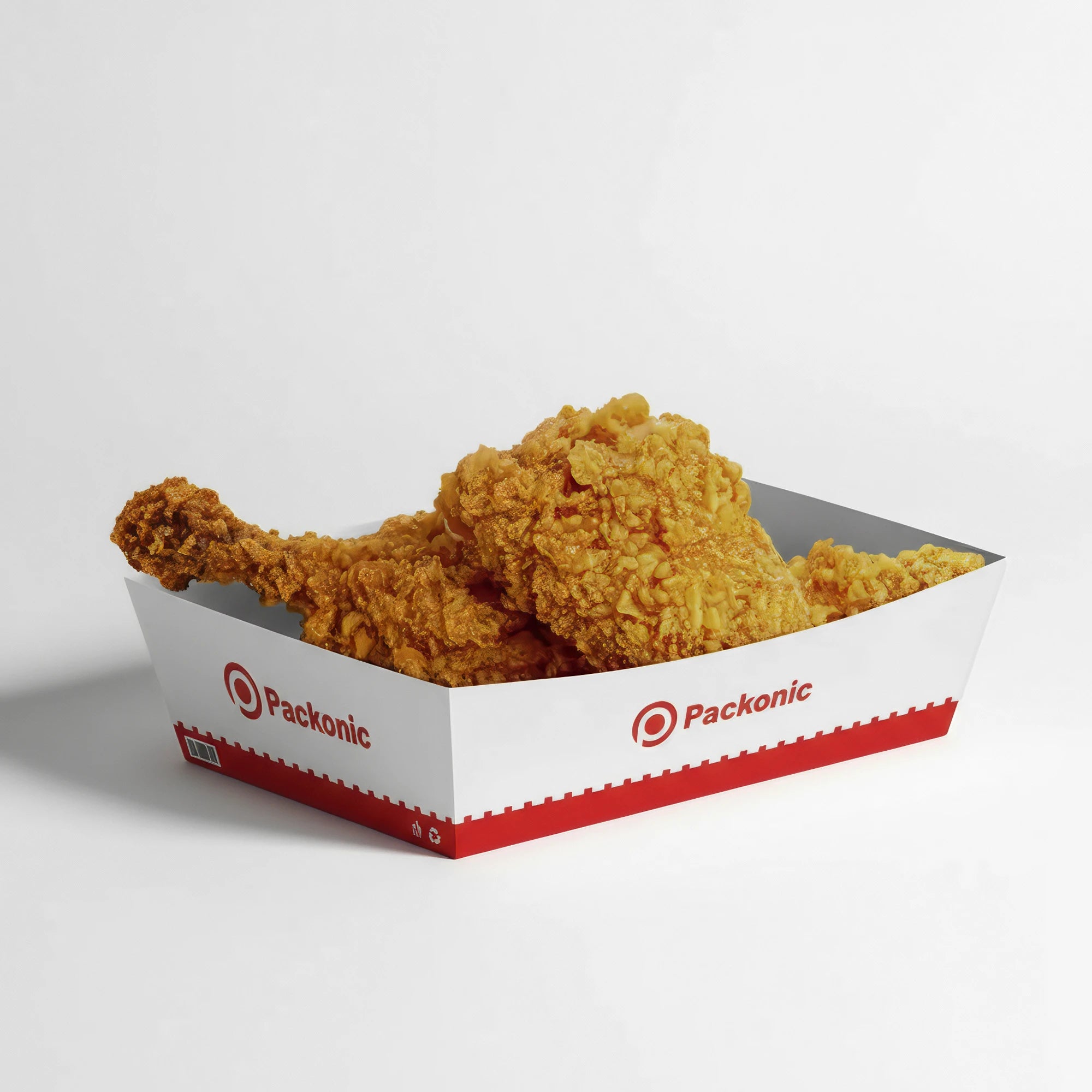
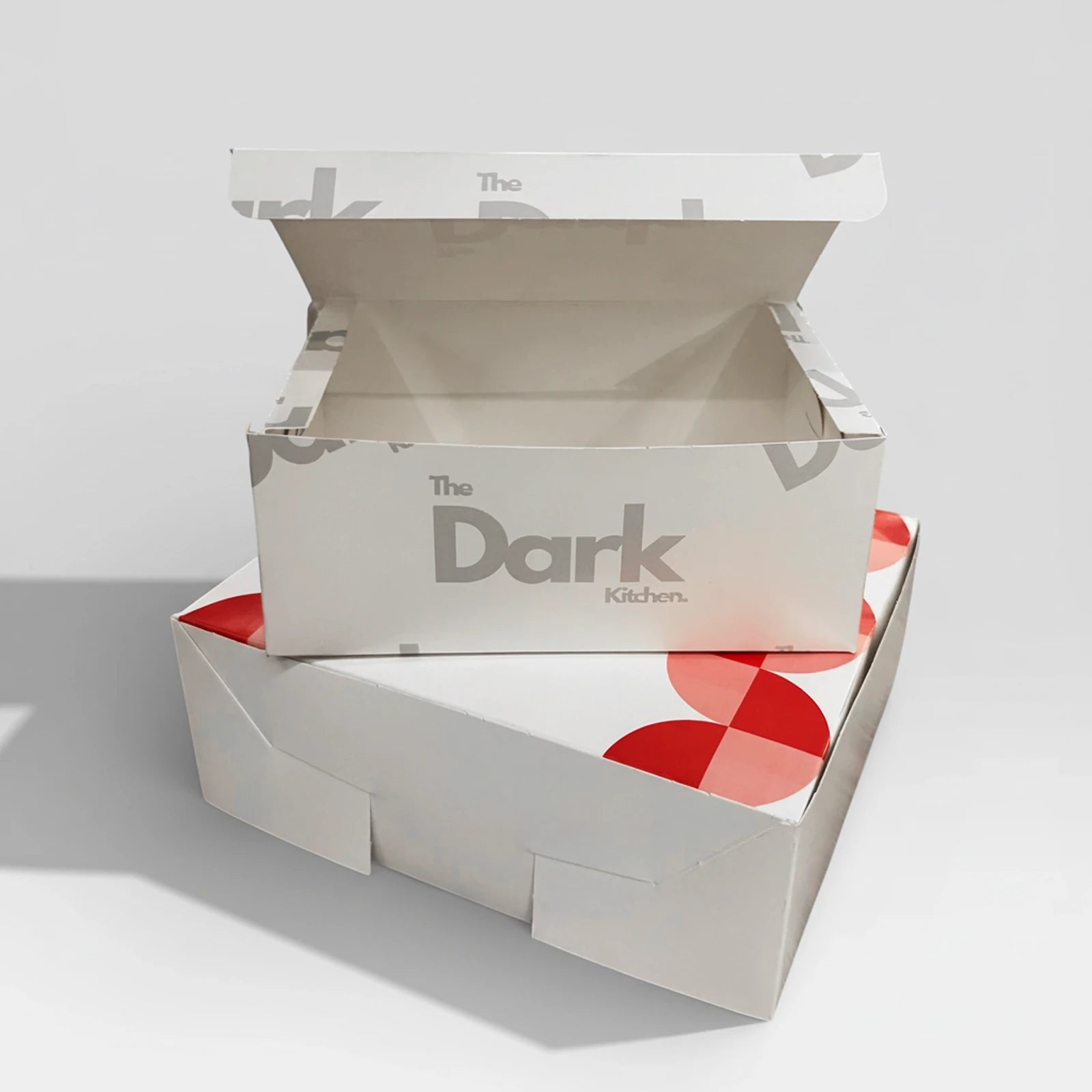
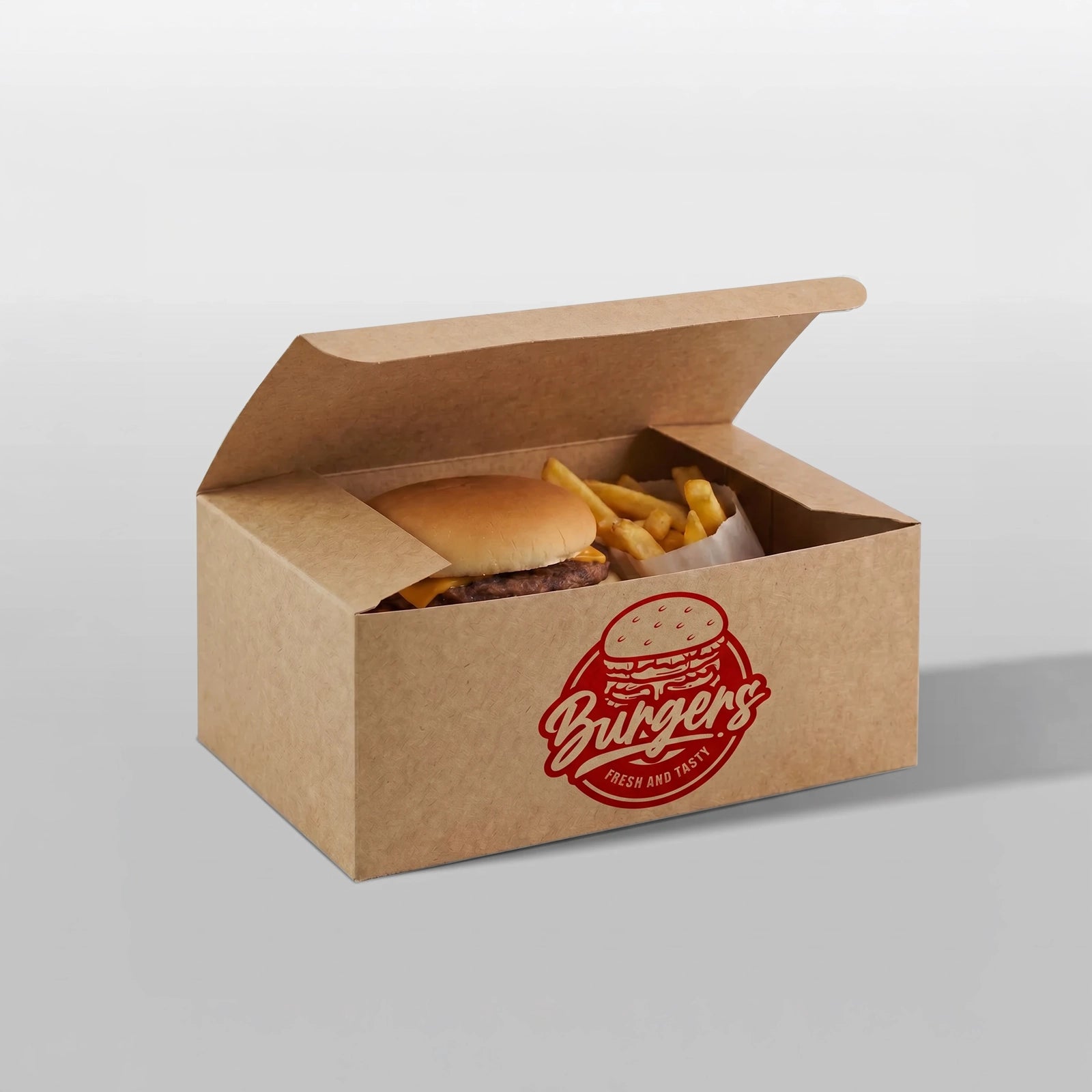
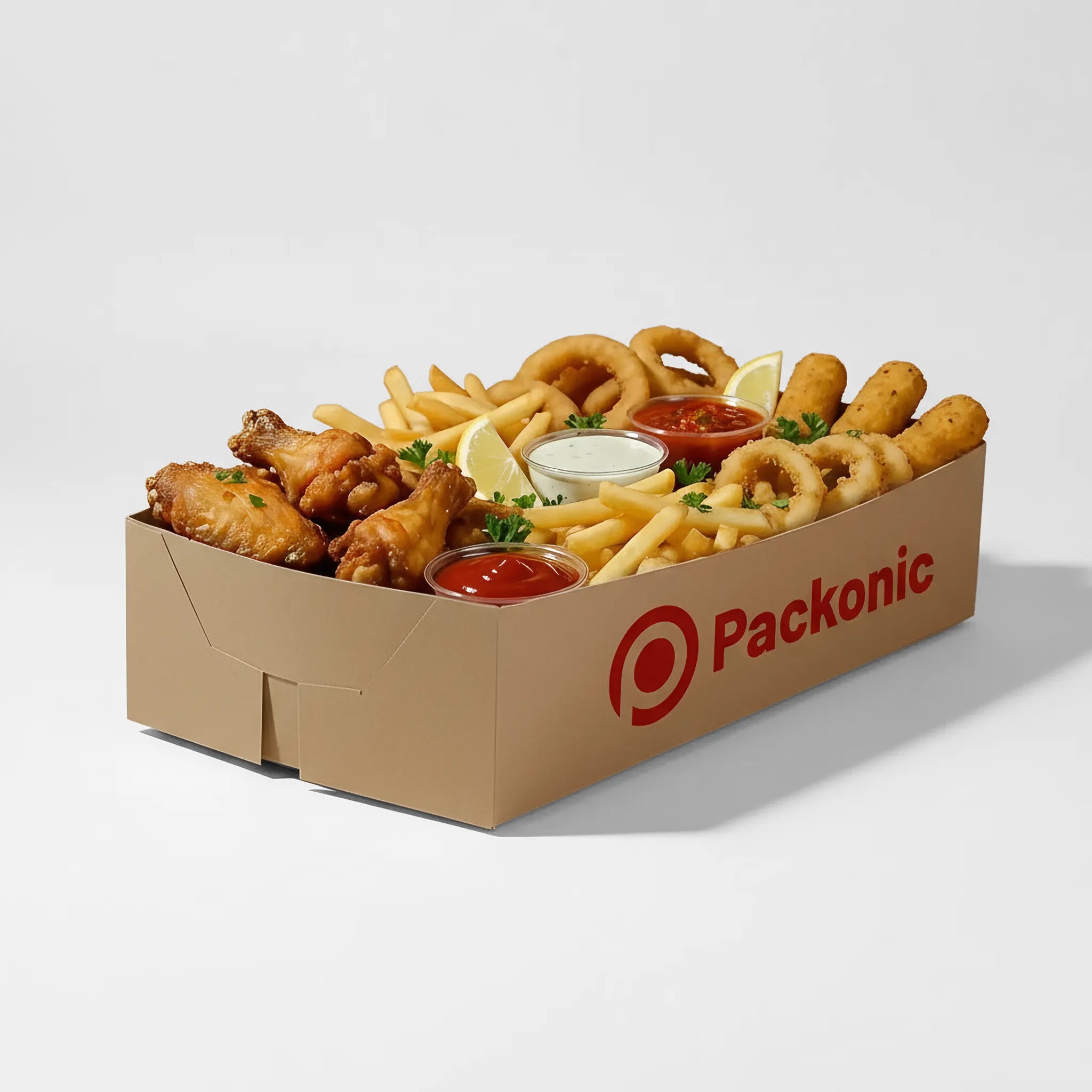
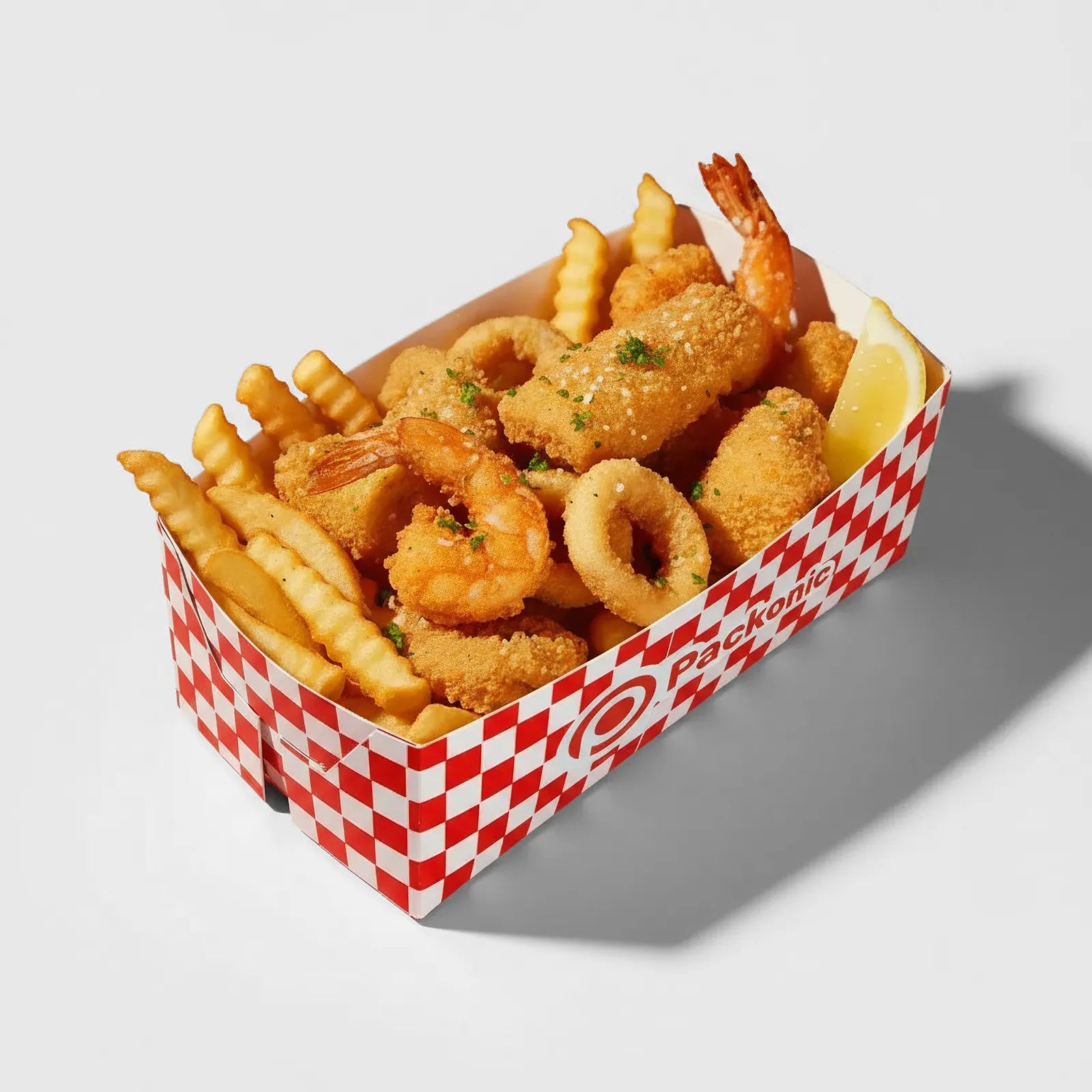
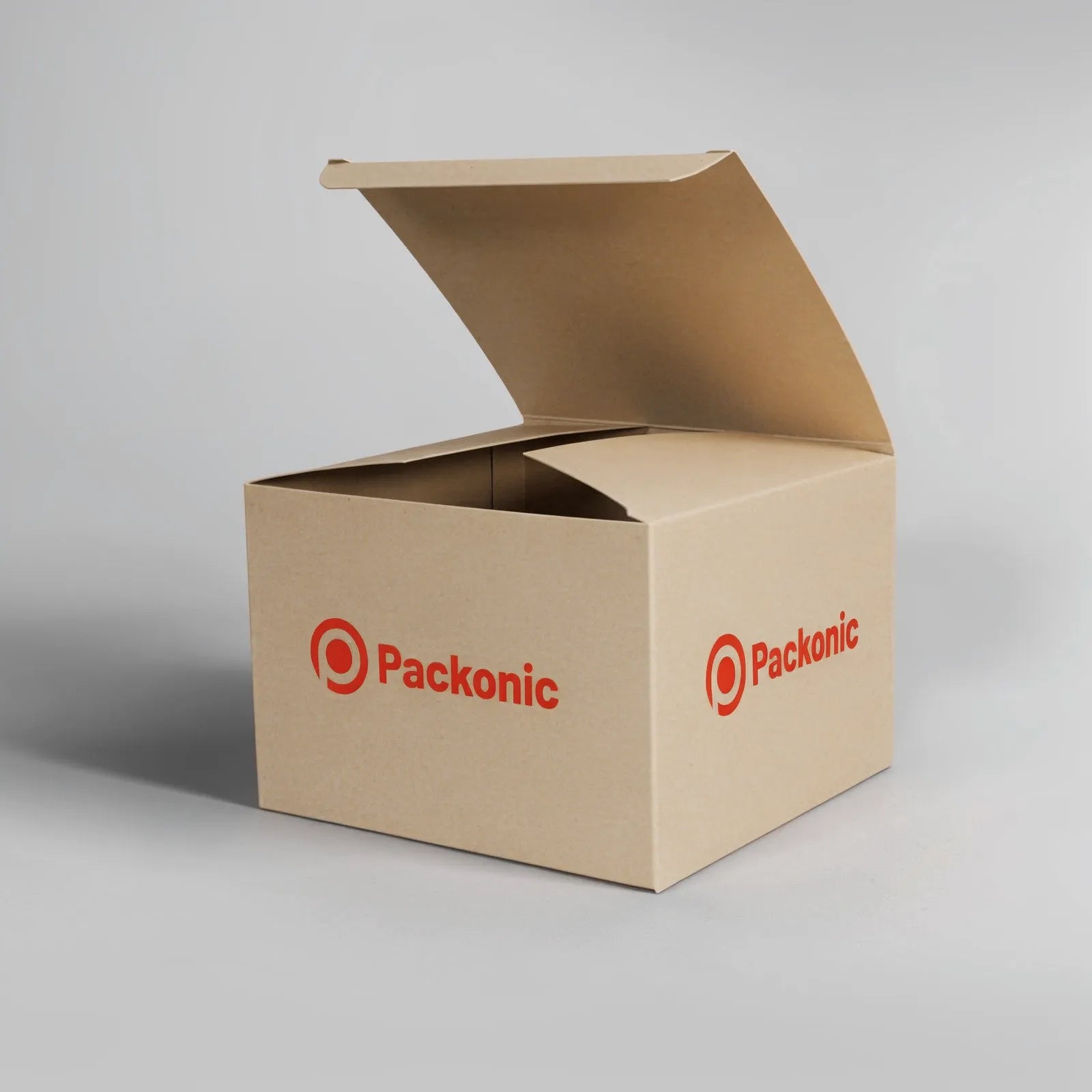
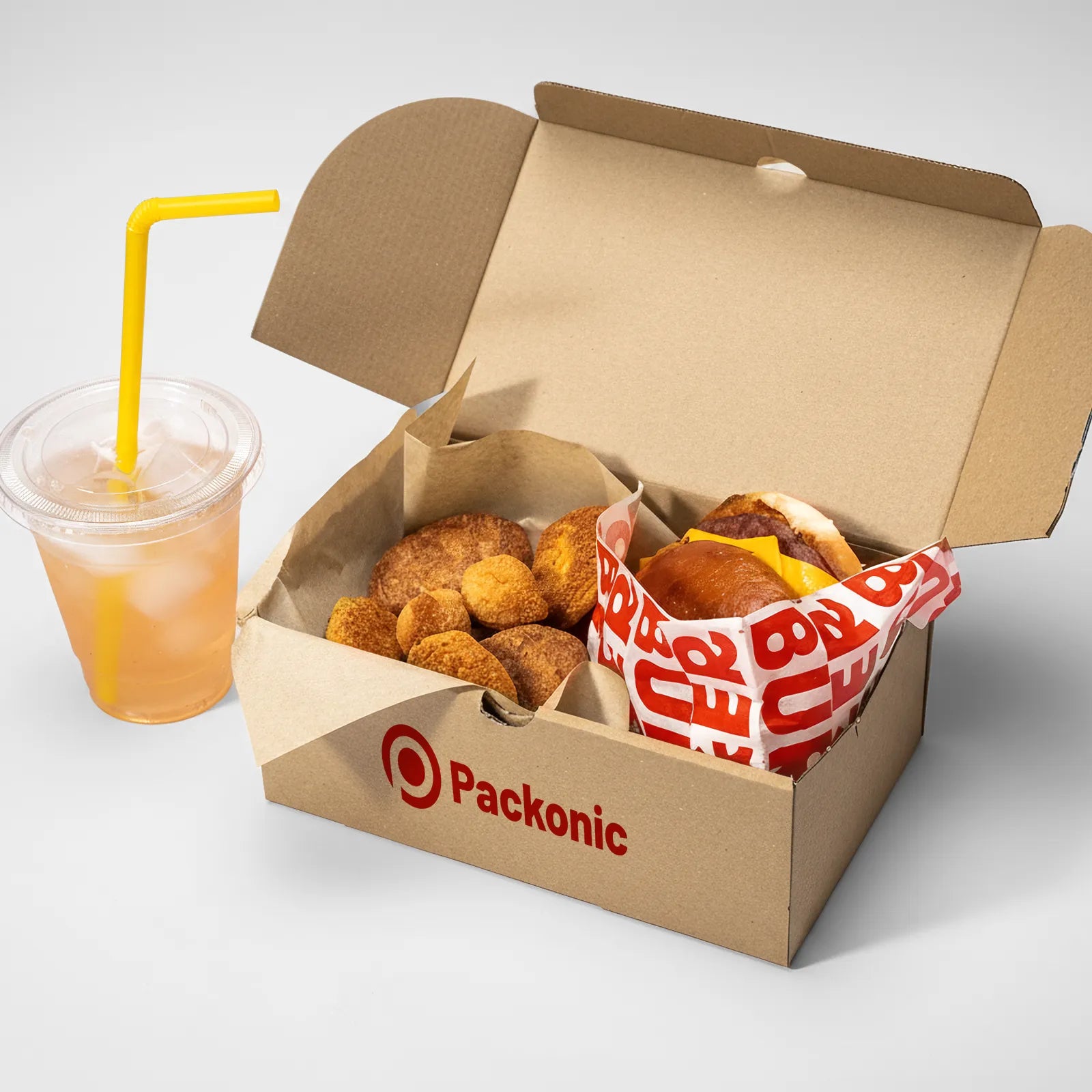
Custom food boxes give restaurants, takeaways, bakeries and fast-food businesses a structured way to serve, package and present food while keeping the brand visible on the box itself.
Also searched as custom printed food boxes, printed food boxes, branded food boxes, food boxes with logo or takeaway food boxes, the right format depends on the meal, box dimensions, assembly style, paper type, order volume and how the food will be served or transported.
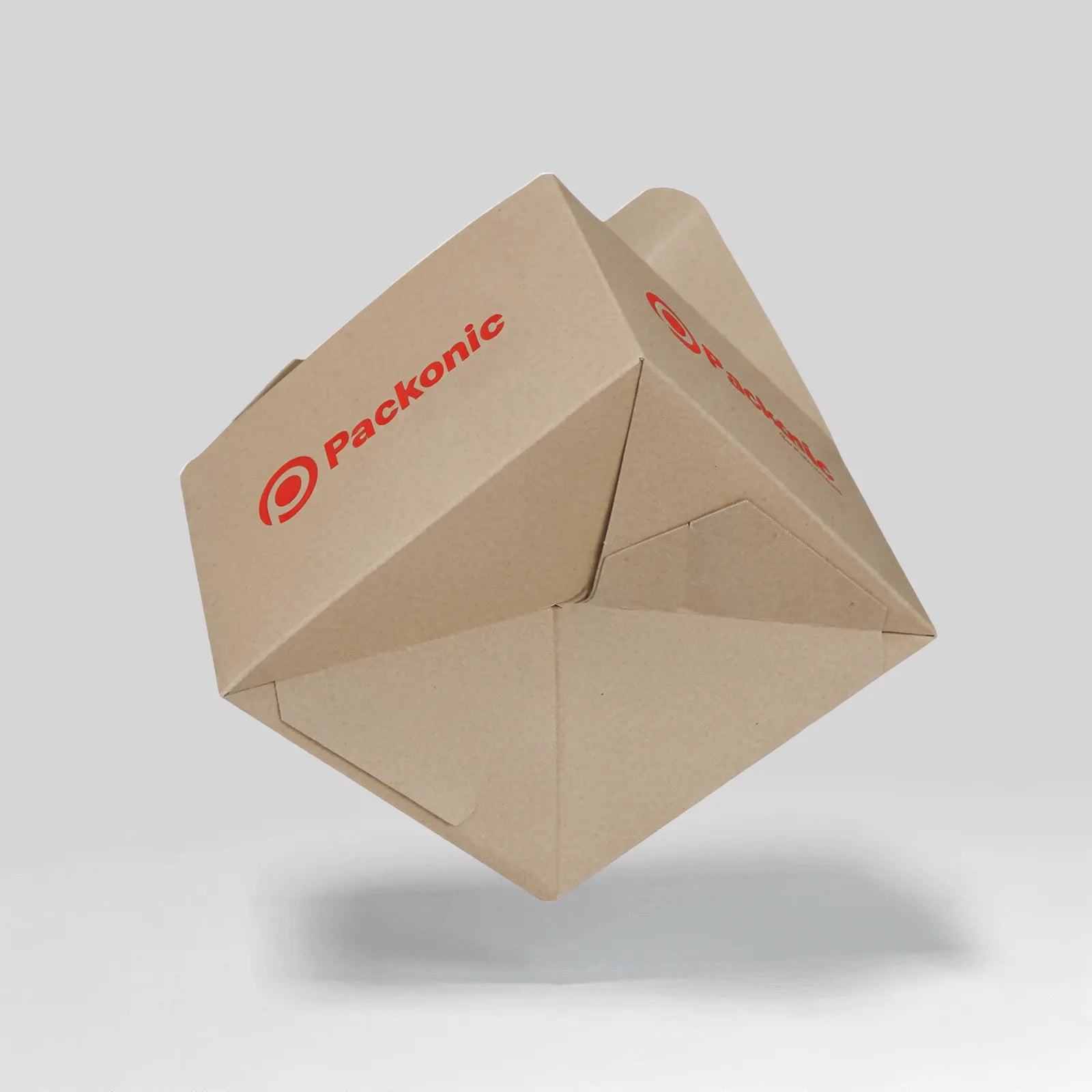
Packonic's current range includes Easy Assembly and Lock Bottom Foldable food boxes in White and Kraft options, together with other specialist meal, tray and food-box formats. Verified core products use 300 GSM paper and Offset Printing, with selected Easy Assembly formats starting from 500 pieces and selected Lock Bottom formats starting from 1,000 pieces.
What Are Custom Food Boxes?
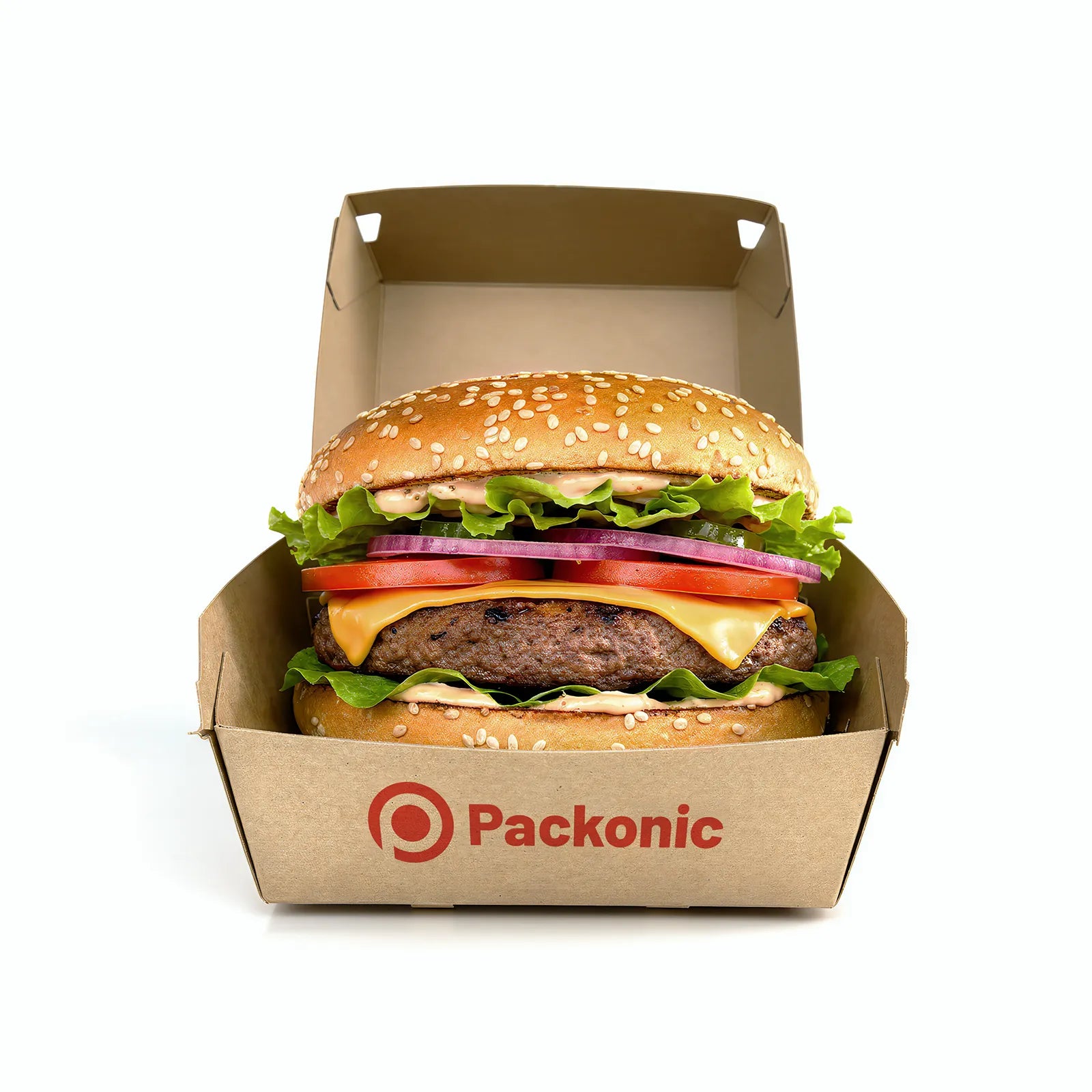
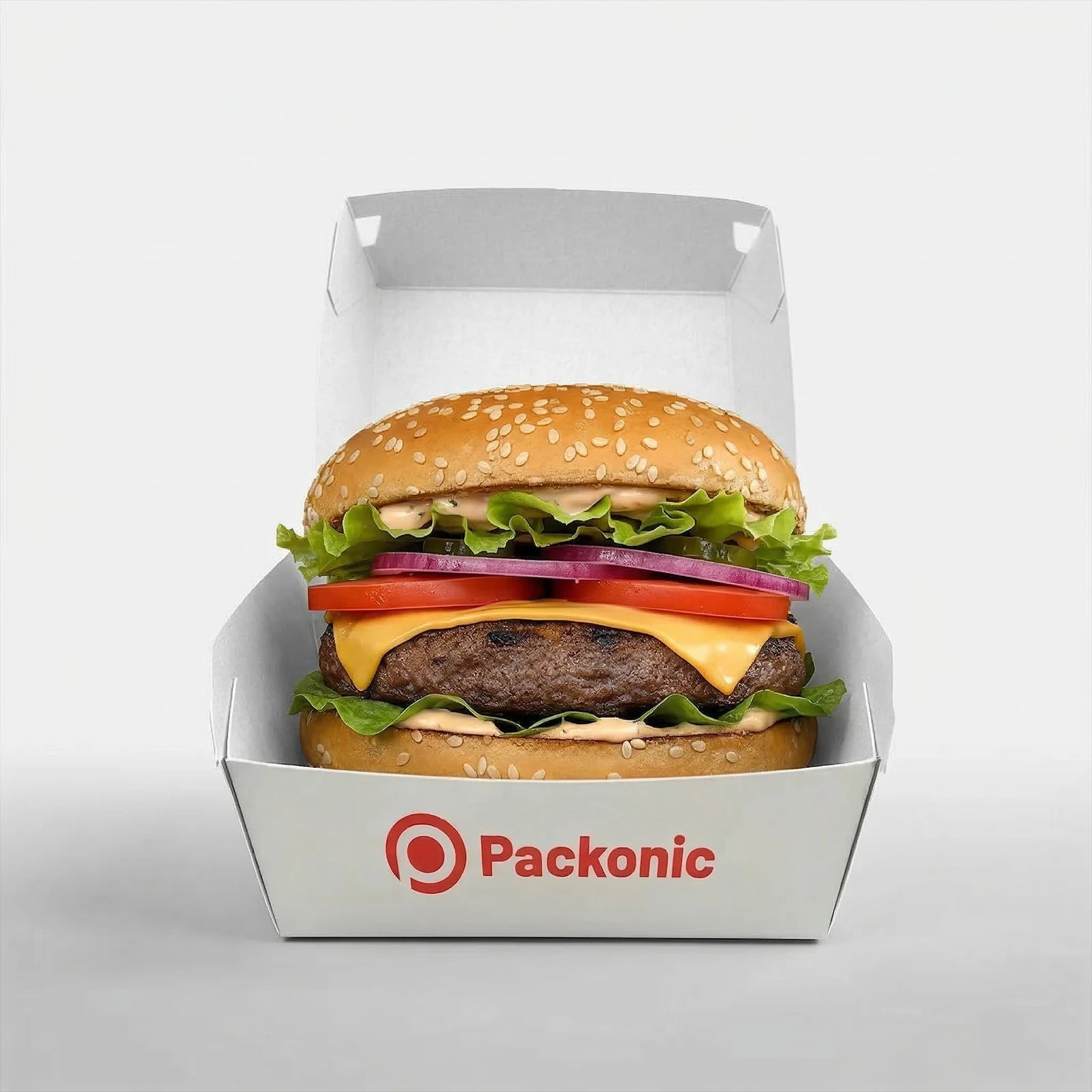
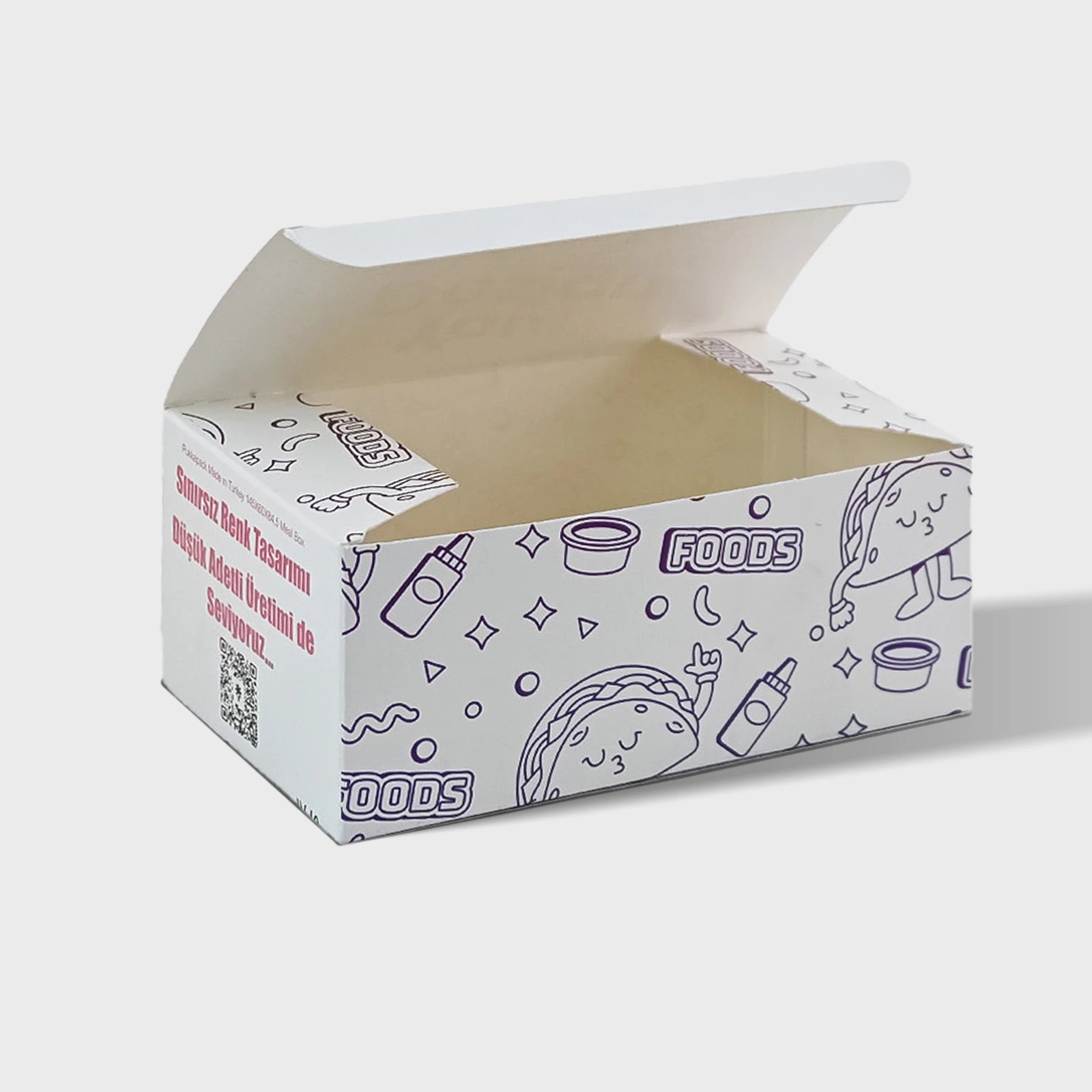
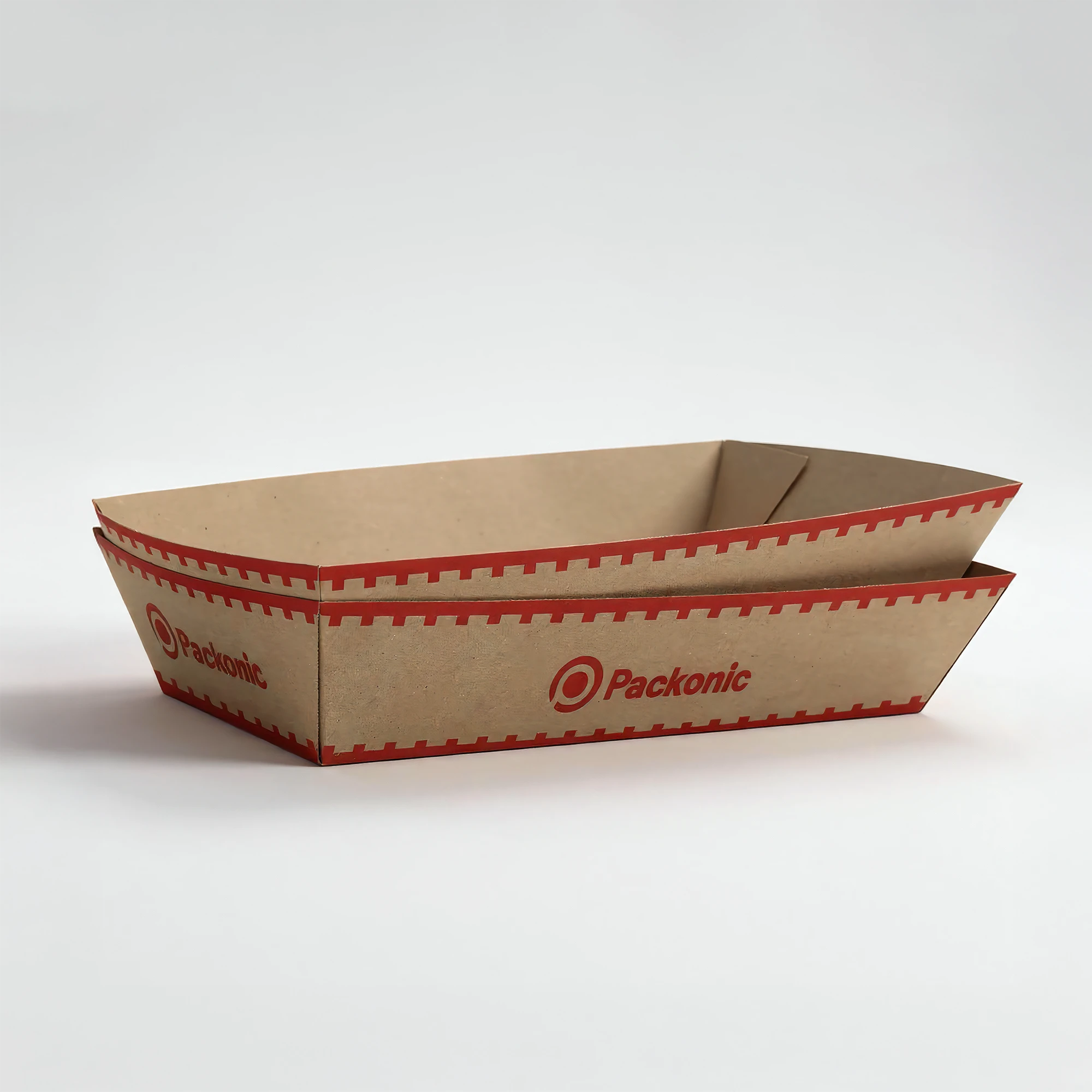
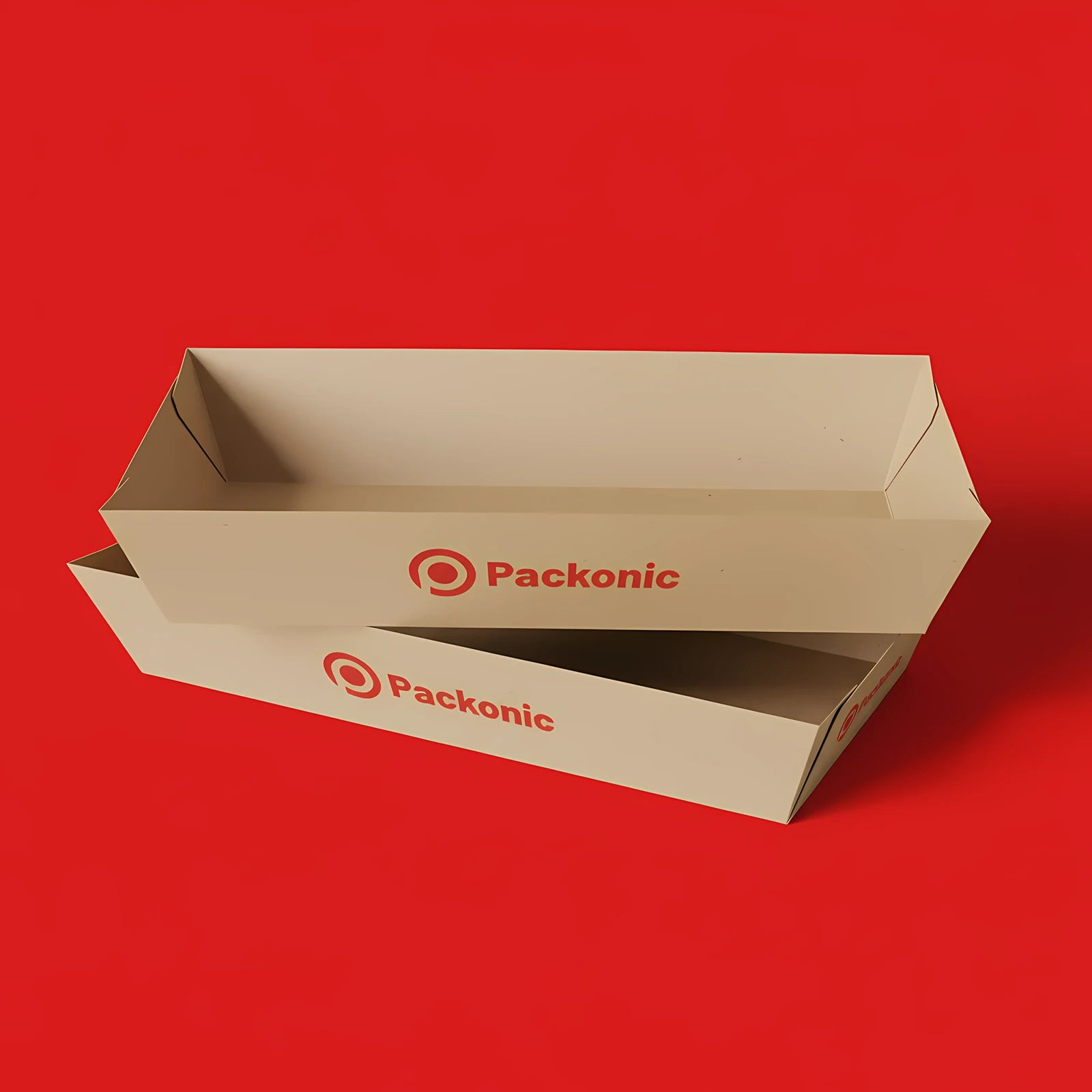
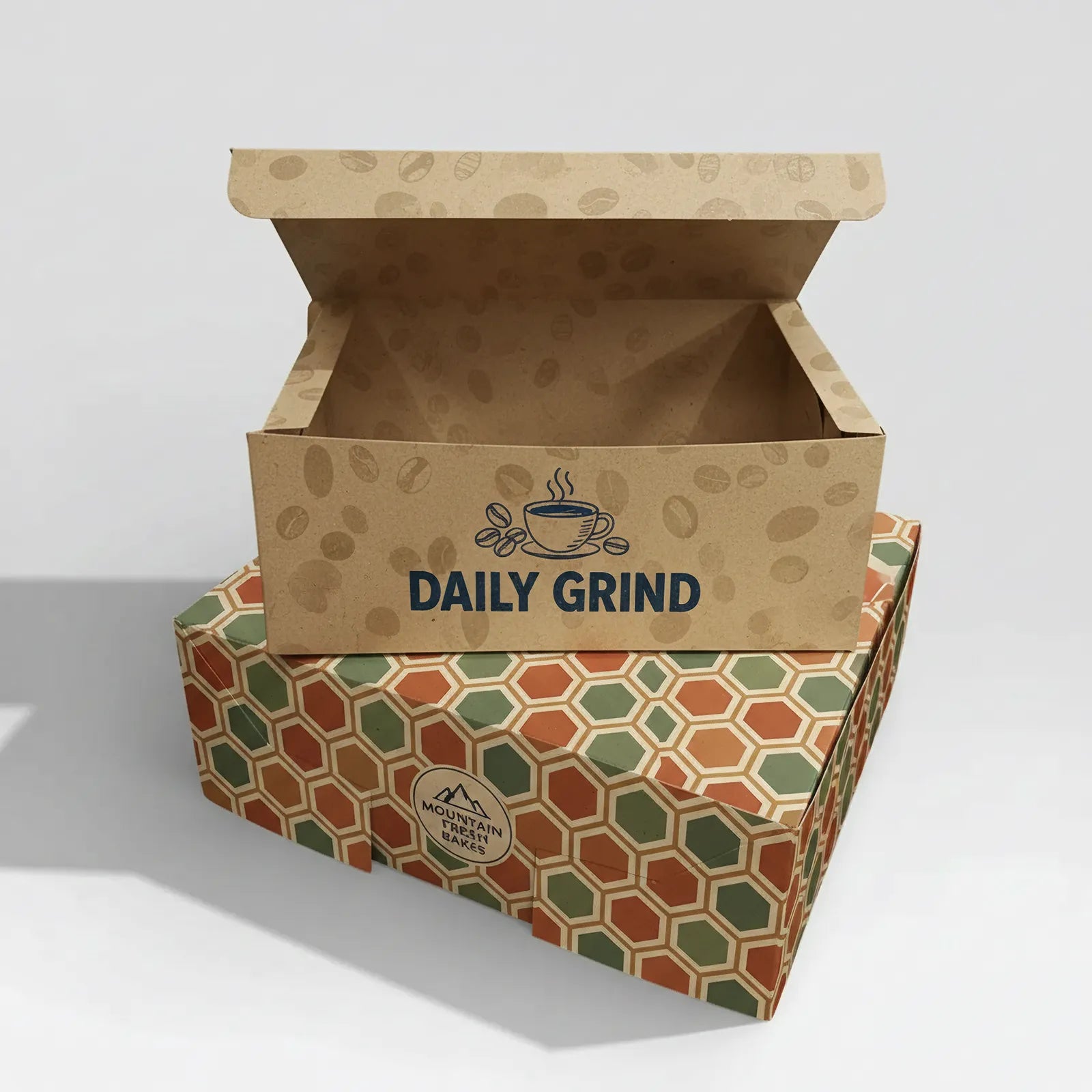
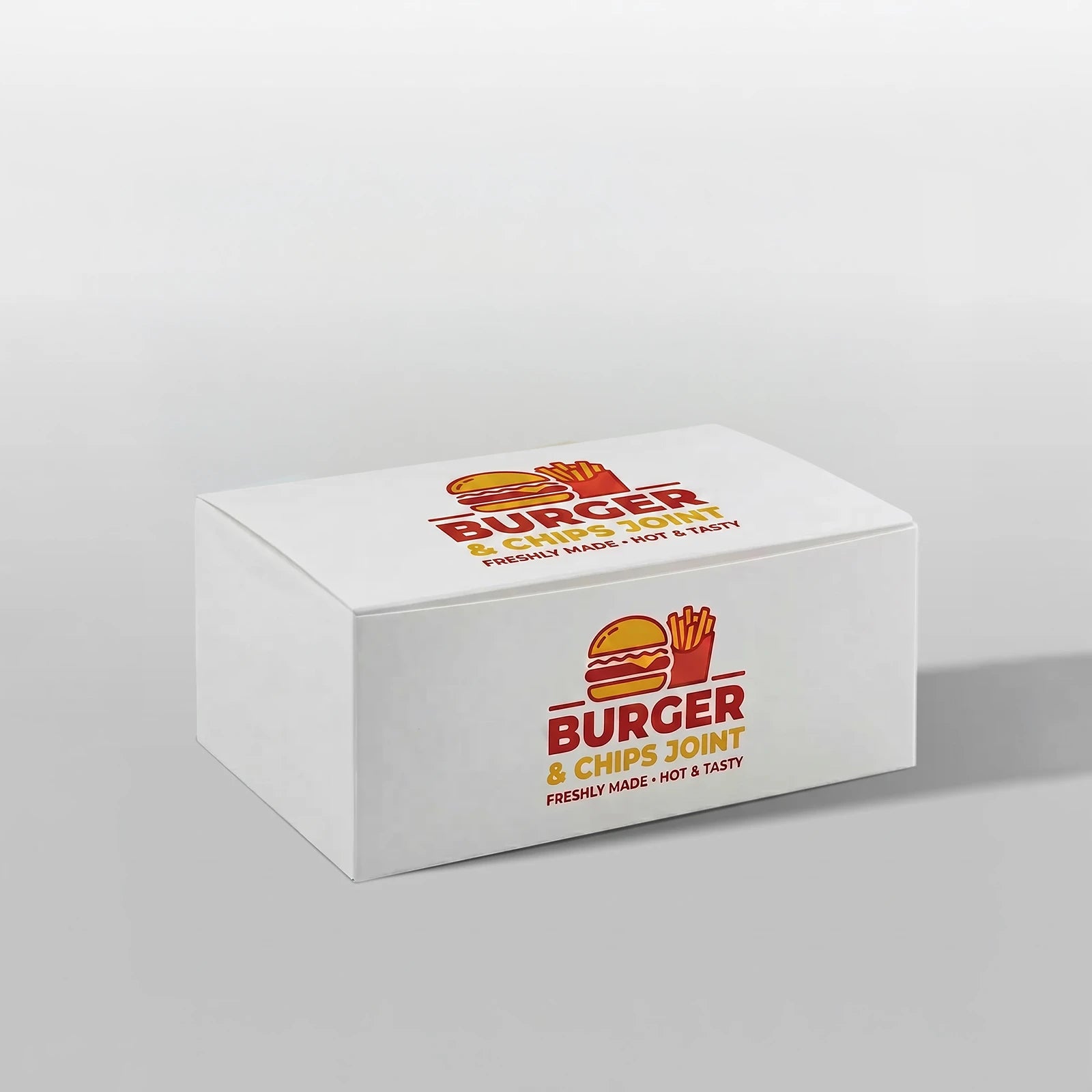
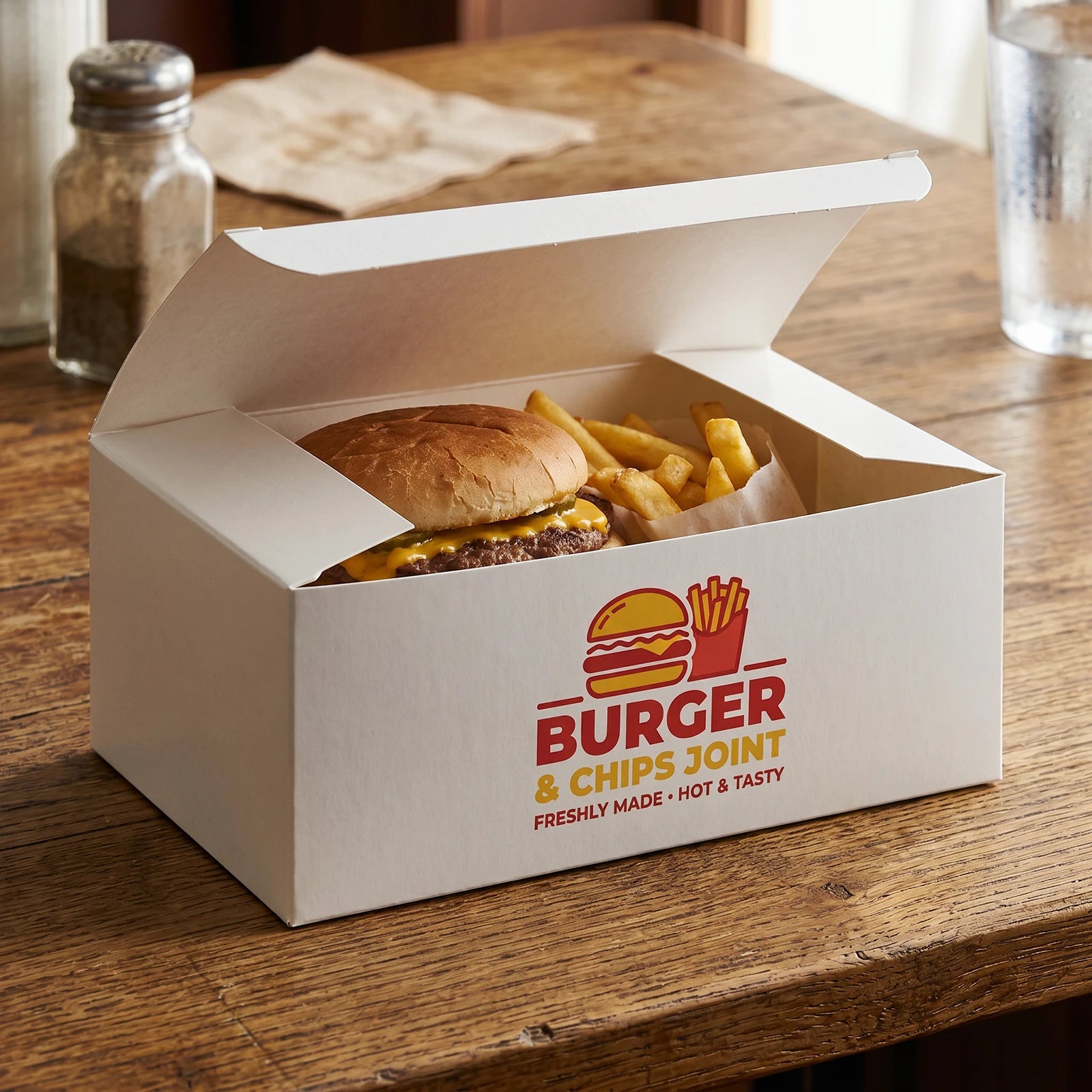
Custom food boxes are printed paper or kraft-paper containers designed to hold and present food while carrying custom branding such as a logo, business name or artwork.
They are commonly used for:
- takeaway meals,
- restaurant food,
- fast-food service,
- burgers and meal combinations,
- fries and side dishes,
- bakery and dessert products,
- catering,
- street-food service,
- and delivery orders.
Unlike flat wrapping paper or a food pouch, a food box creates a defined structure around the meal. That makes box shape, depth and assembly method just as important as the printed design.
Can Food Boxes Be Custom Printed With a Logo?
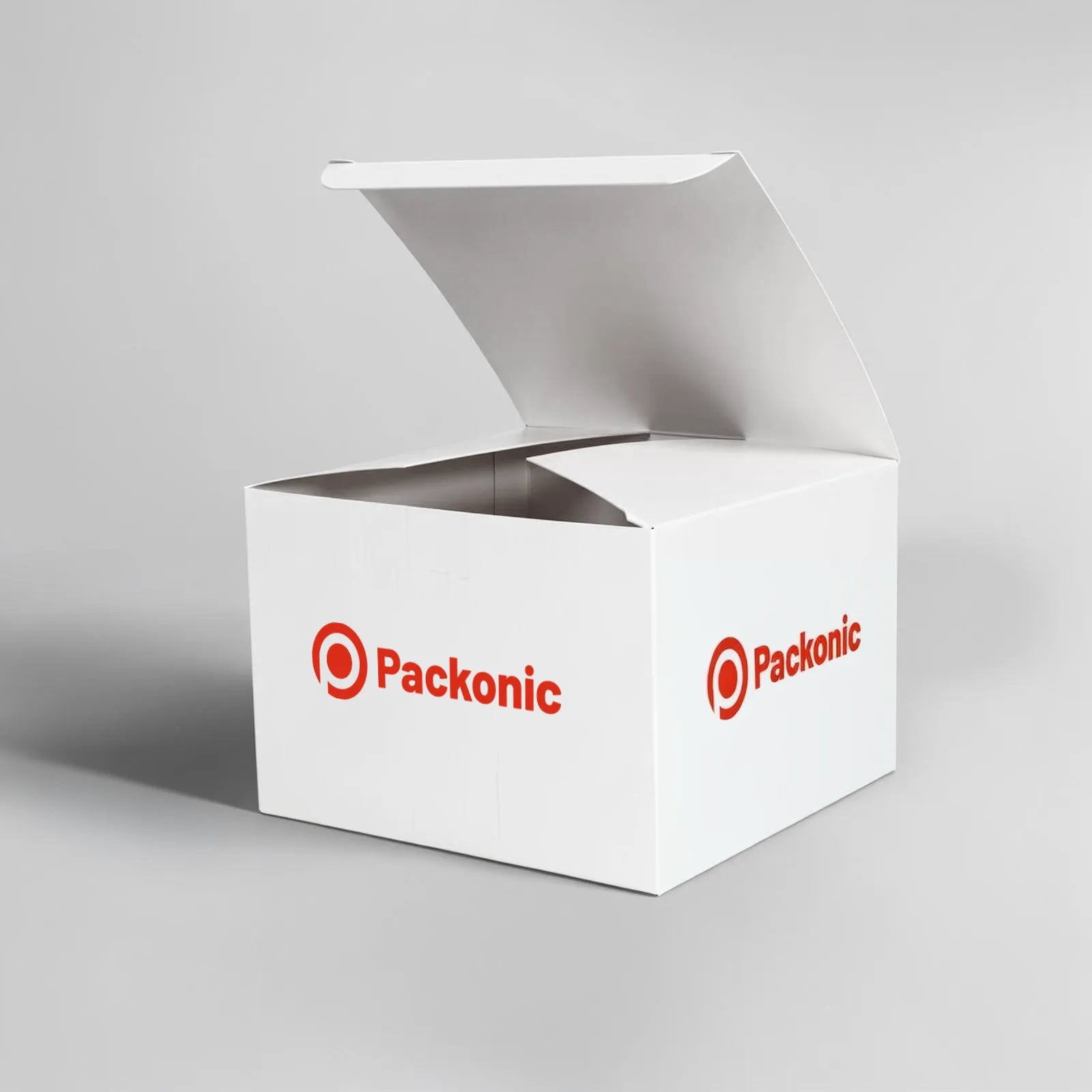
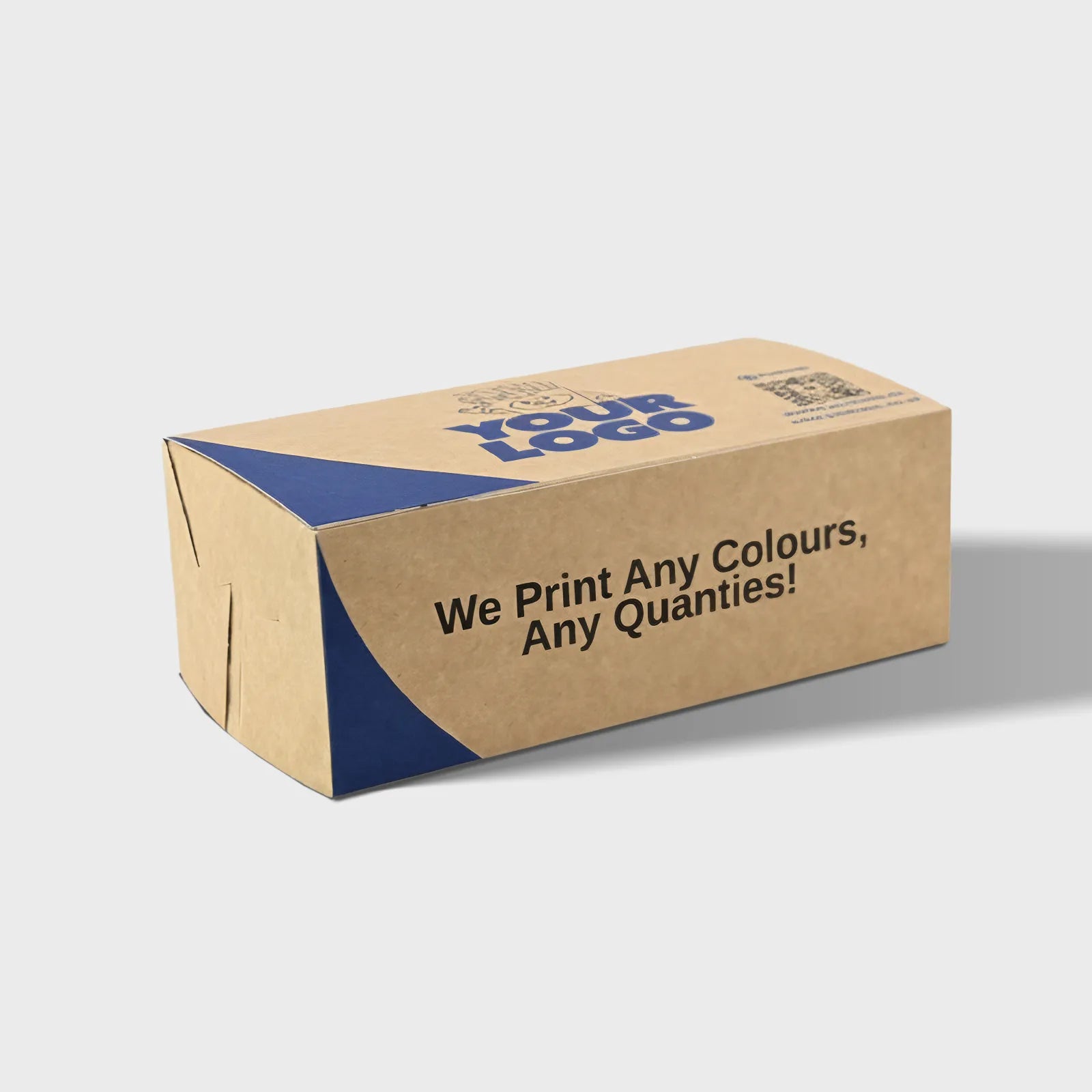
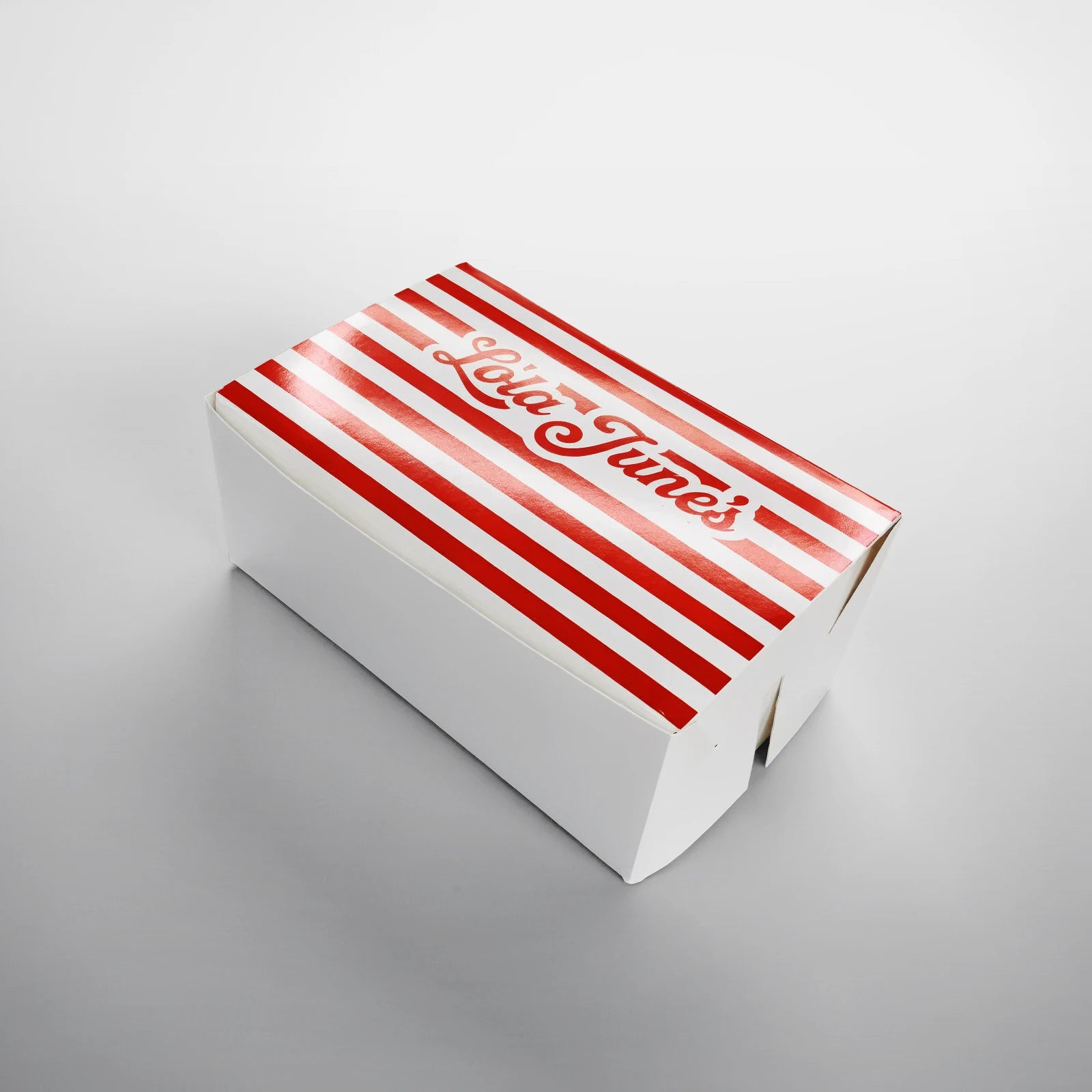
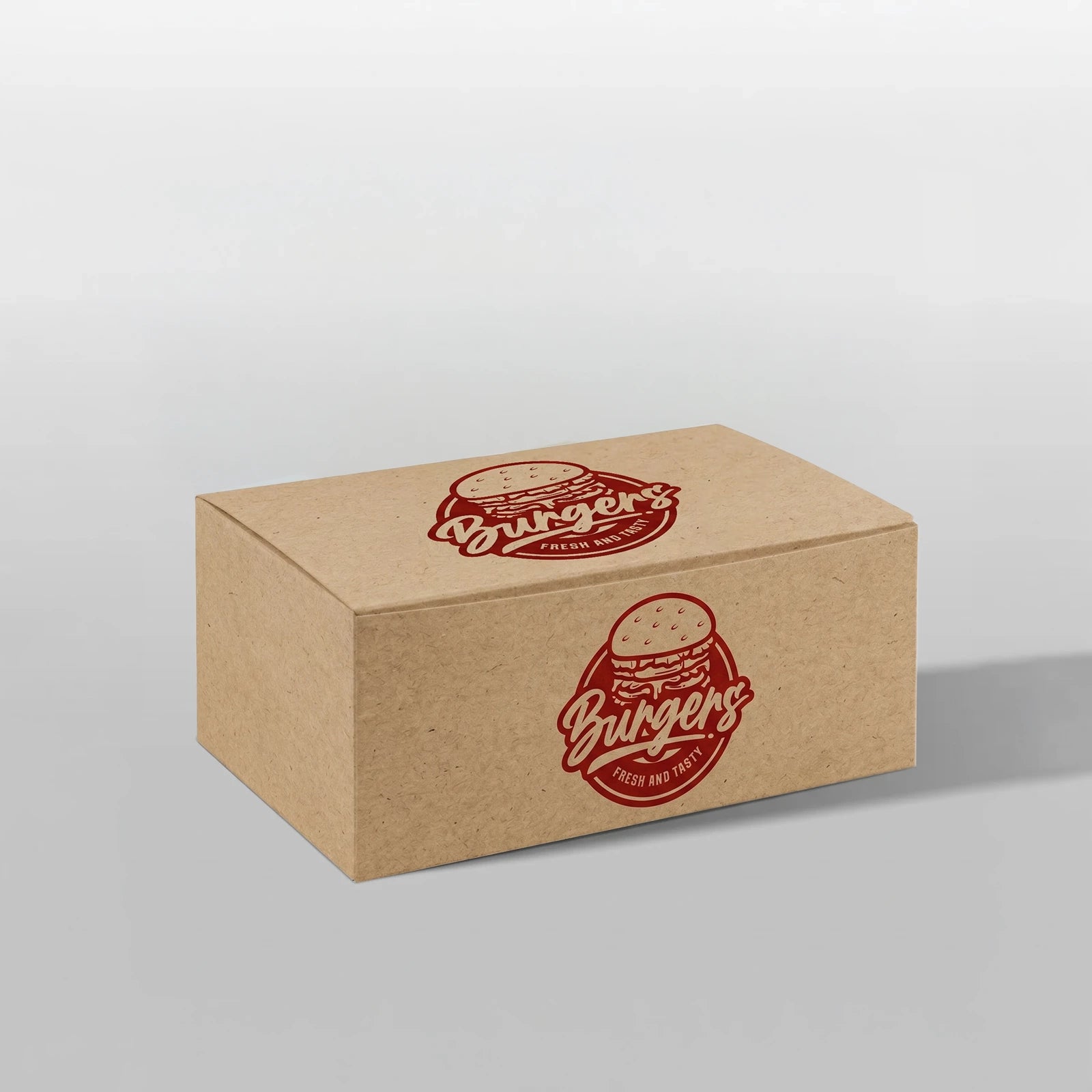
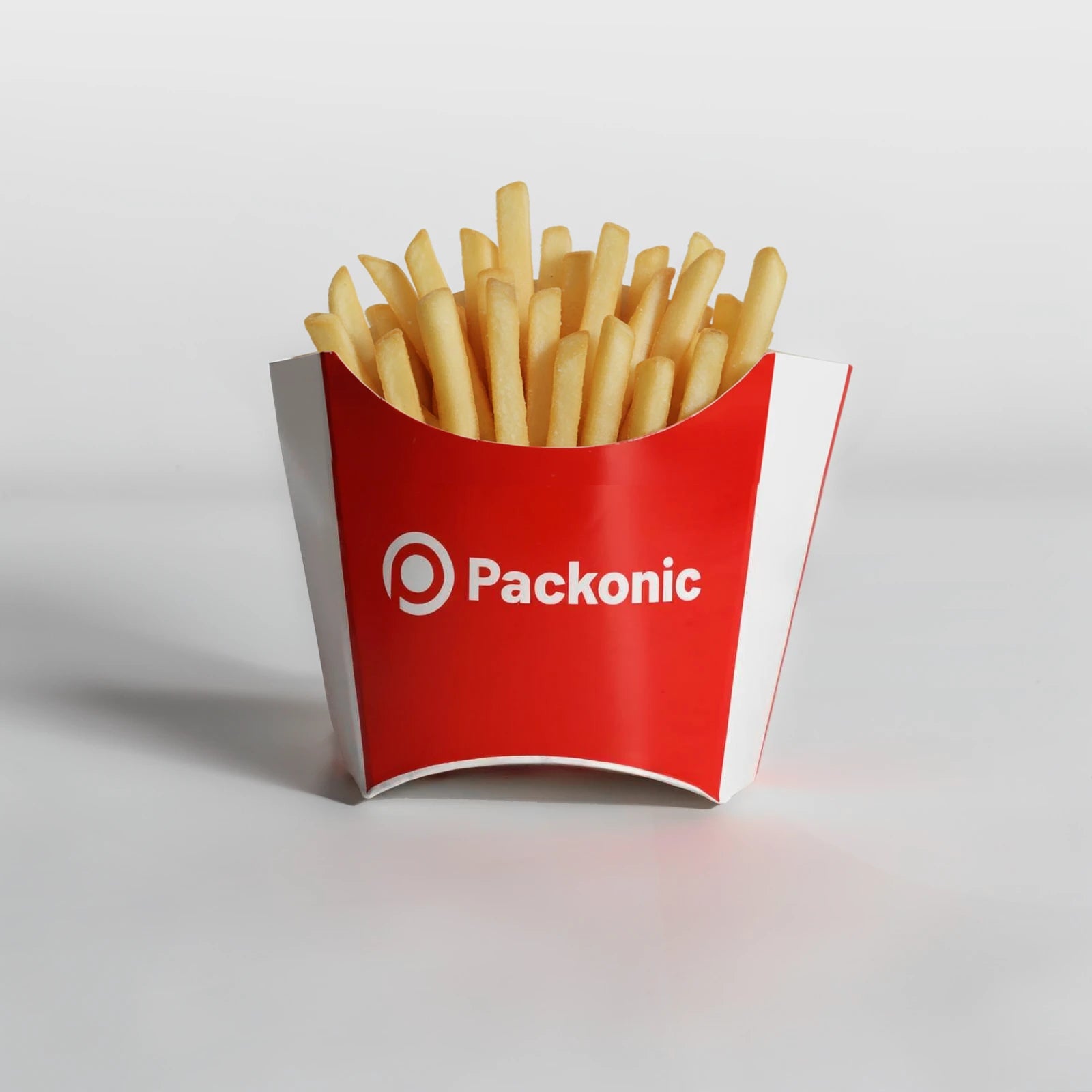
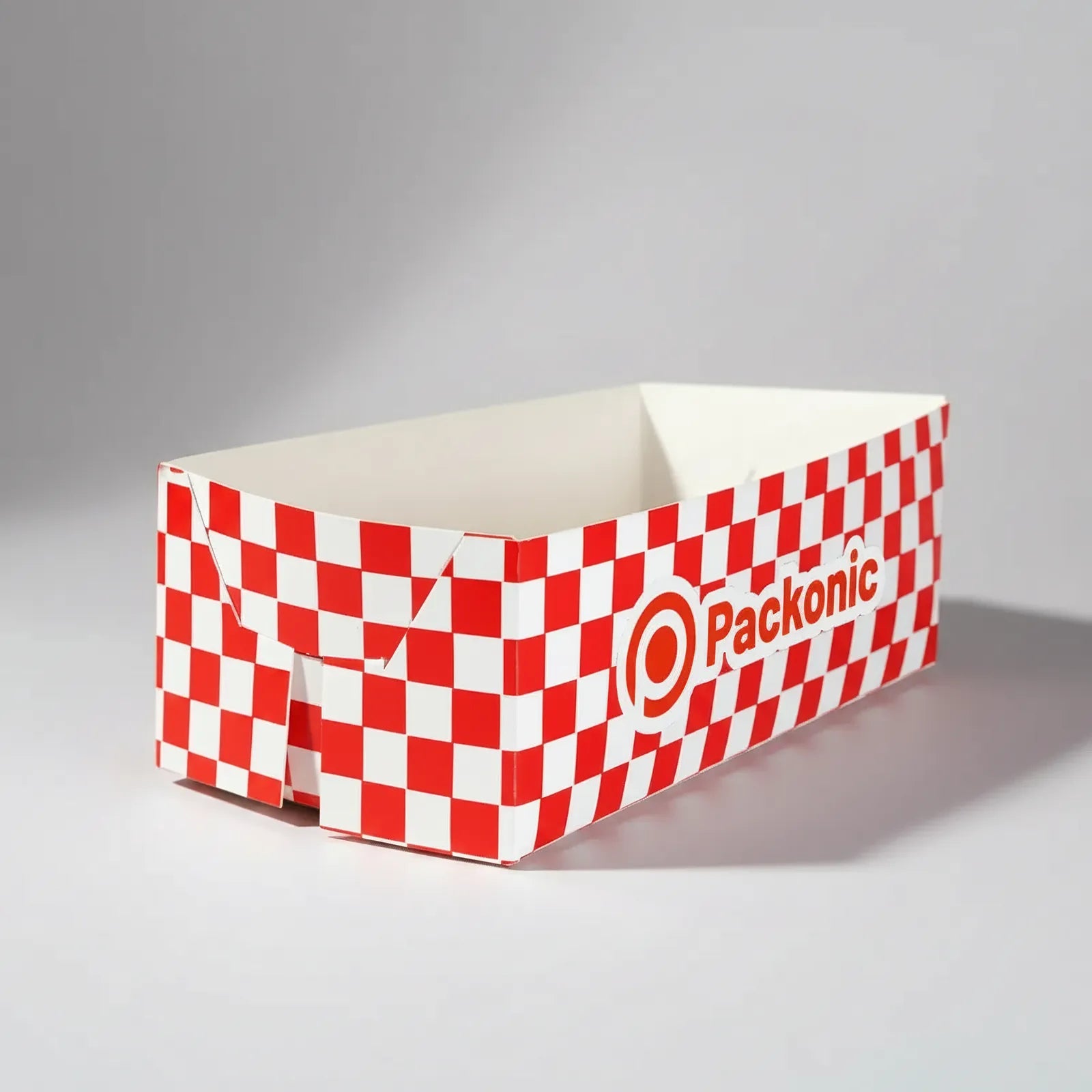
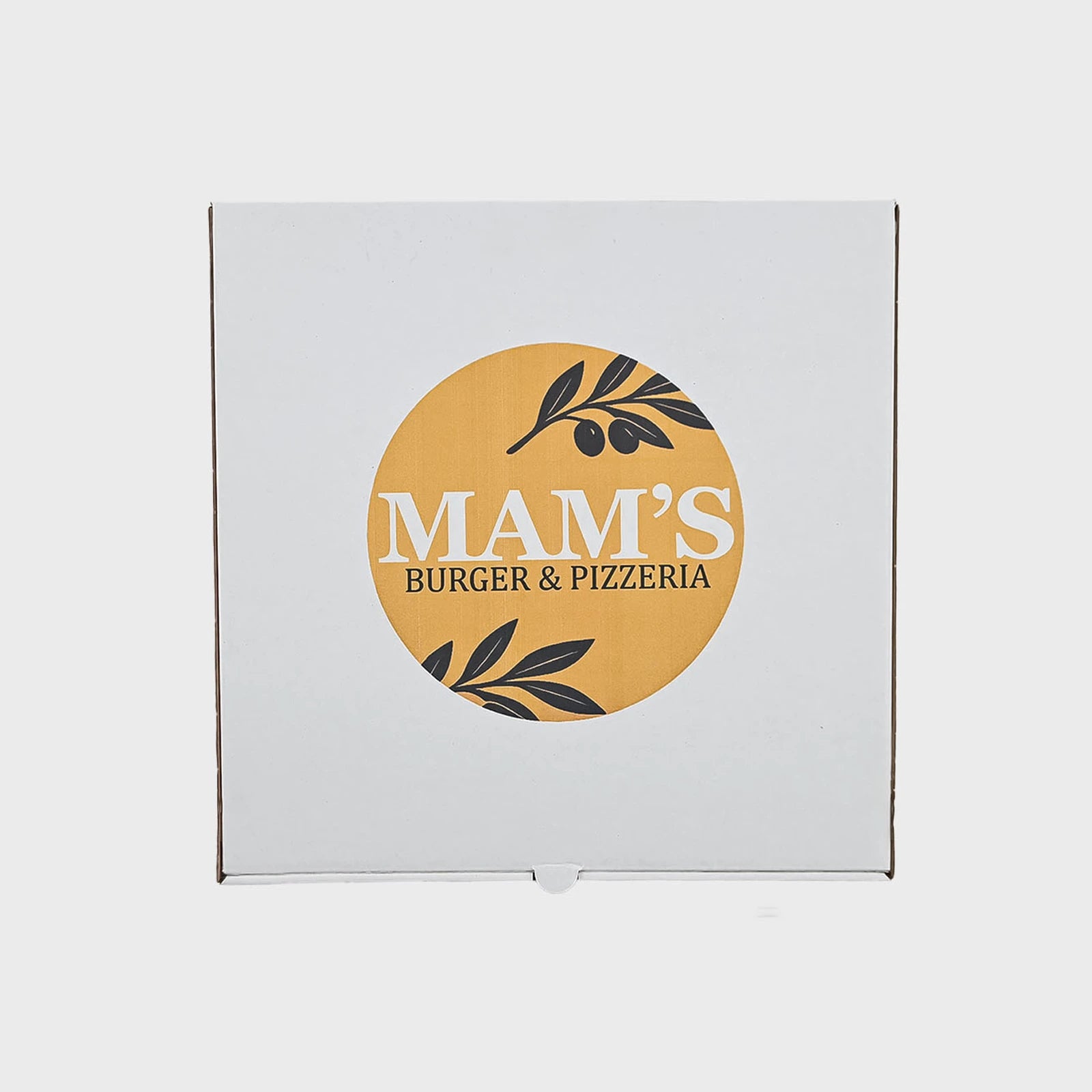
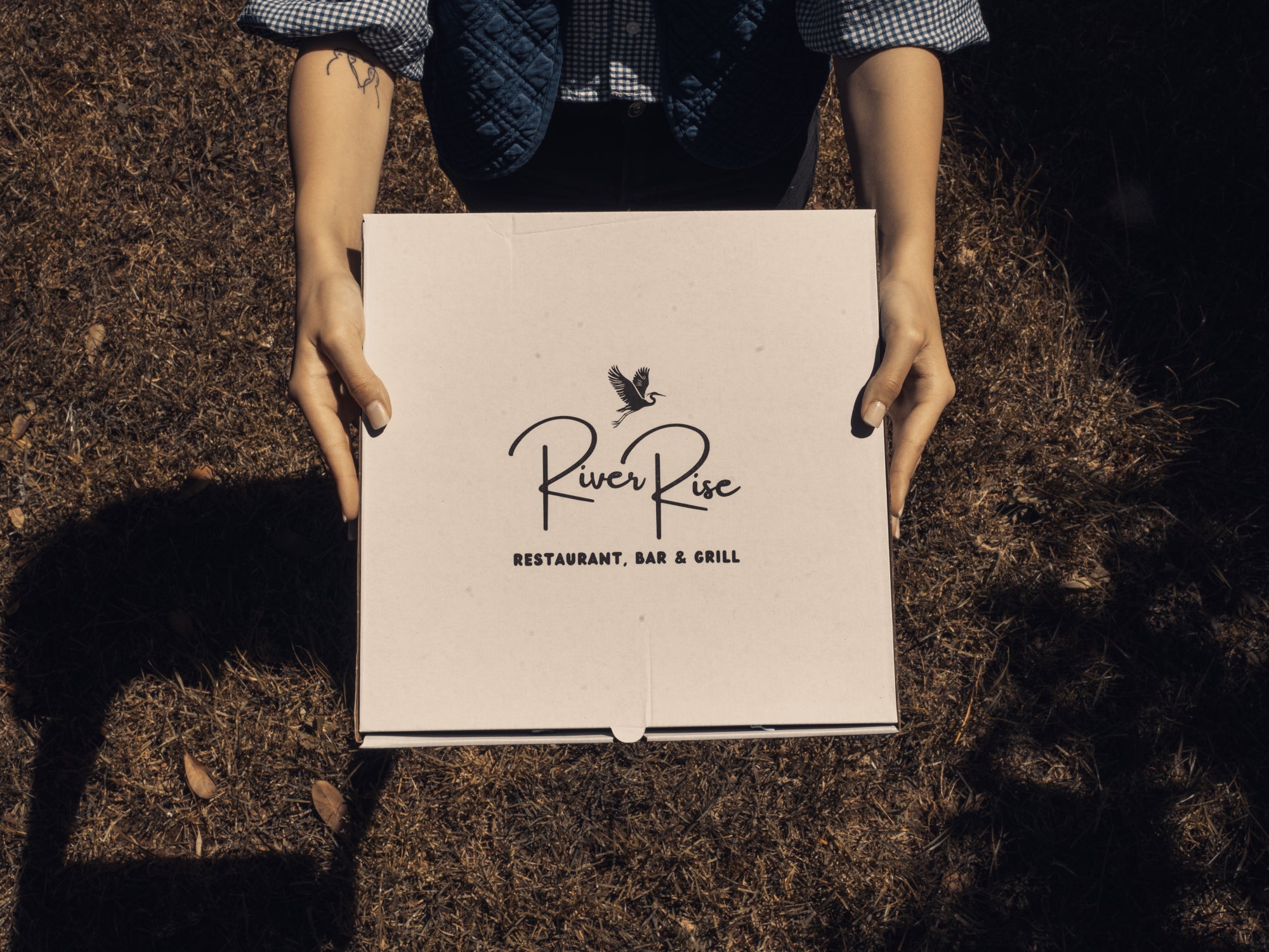
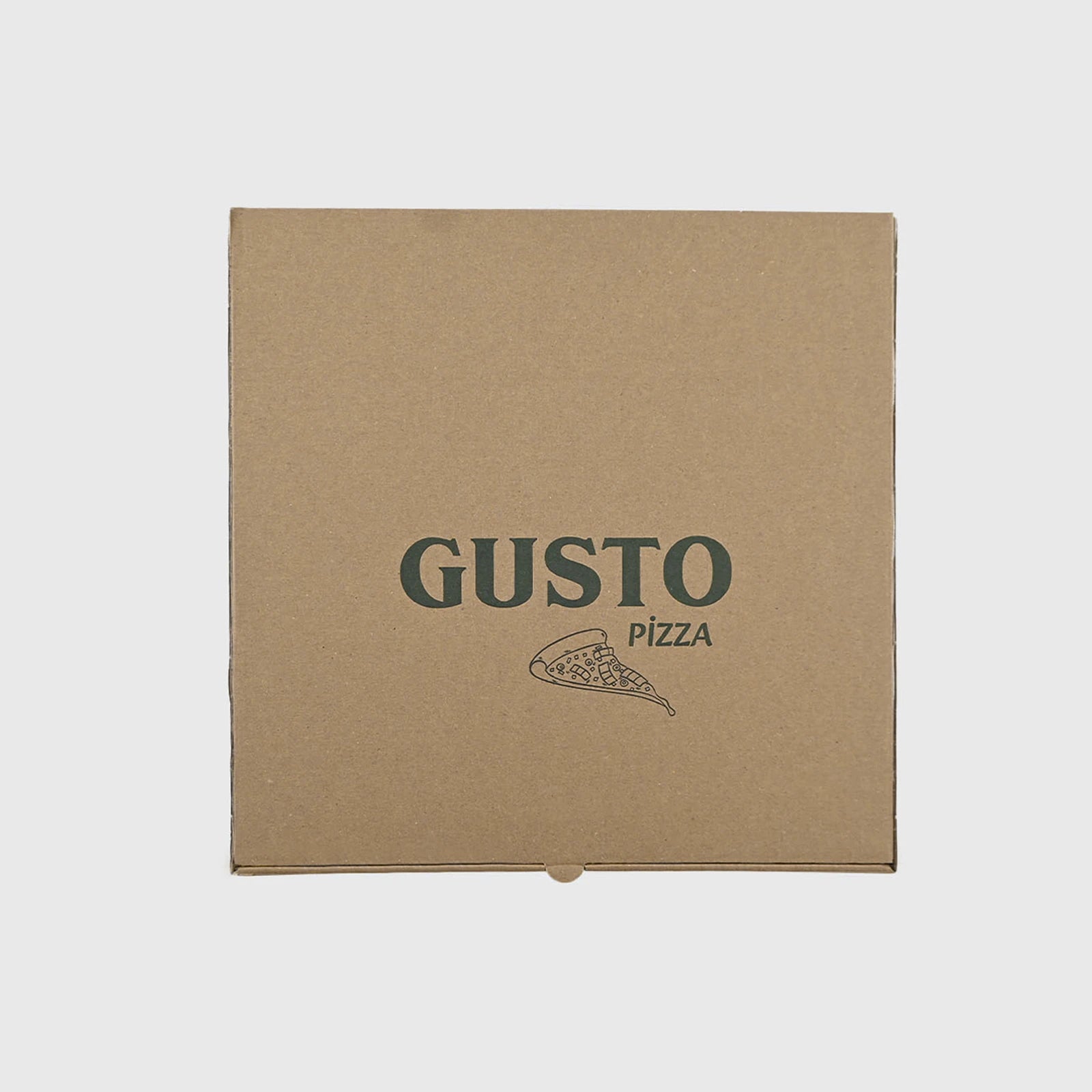
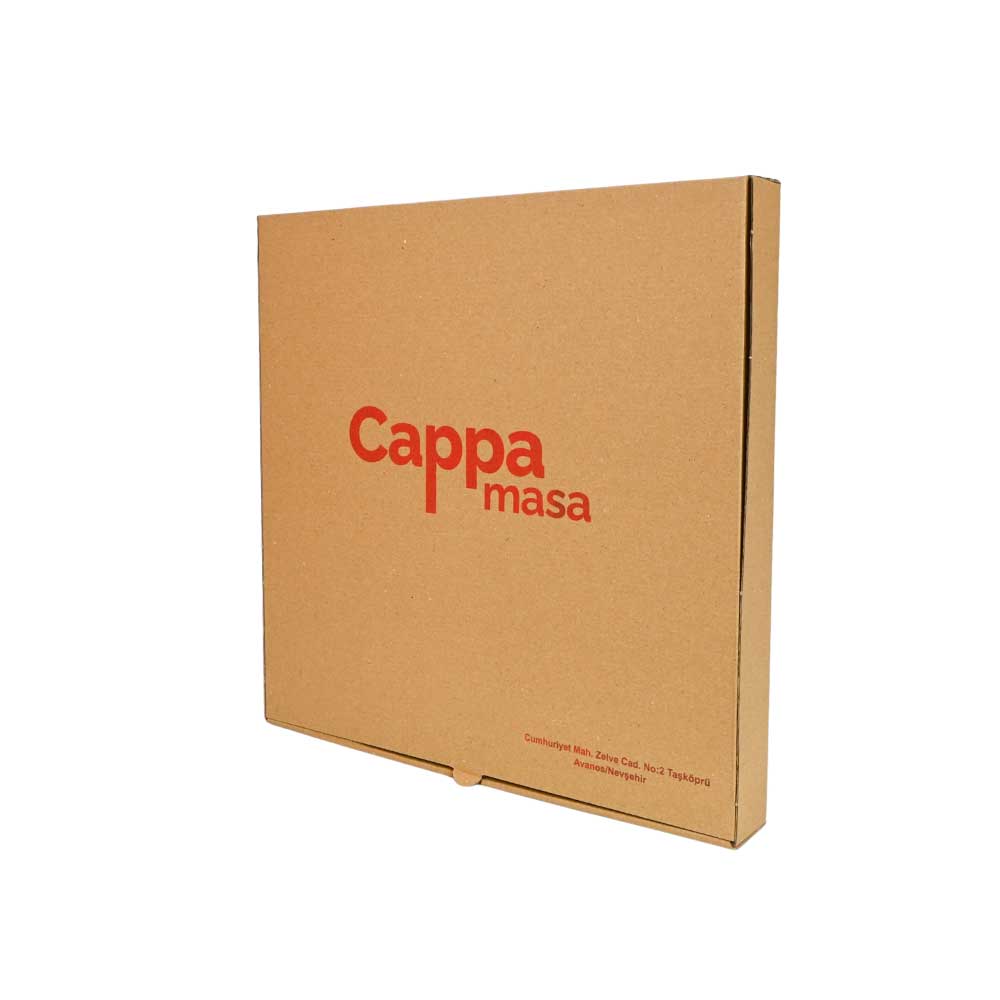
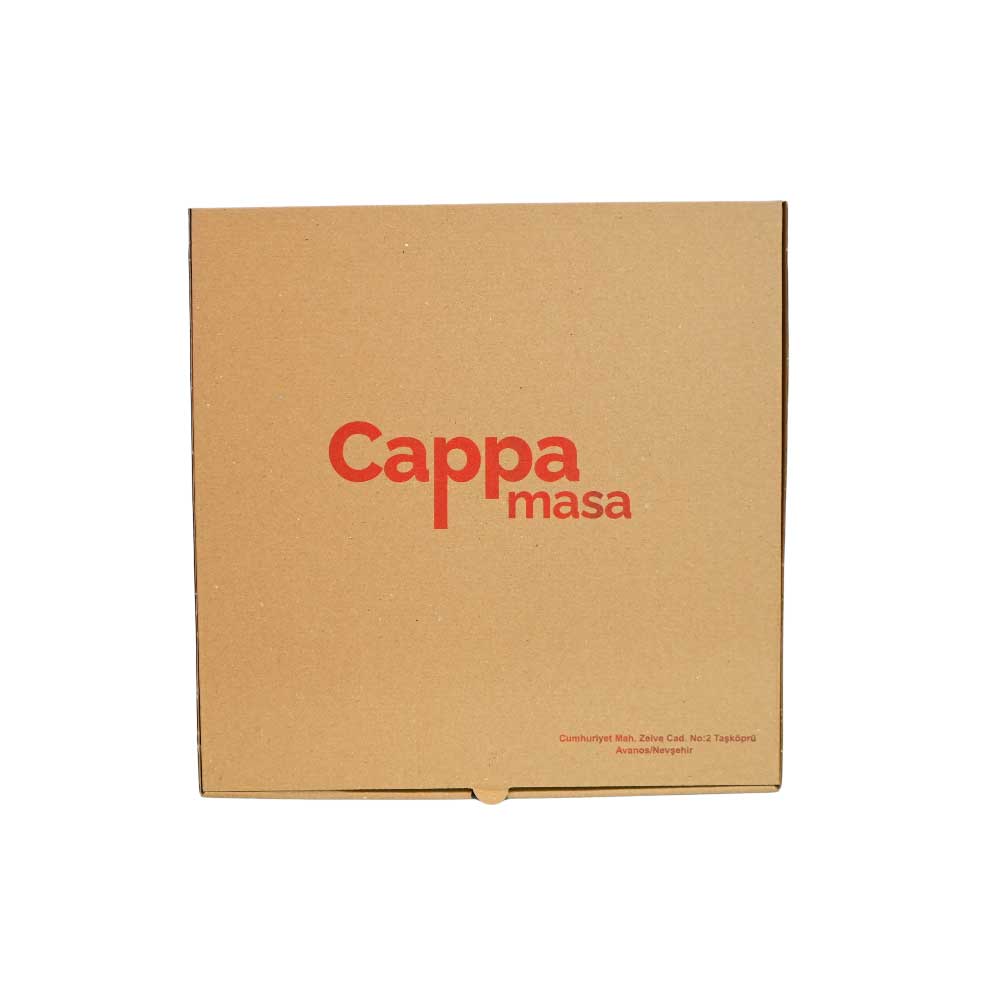
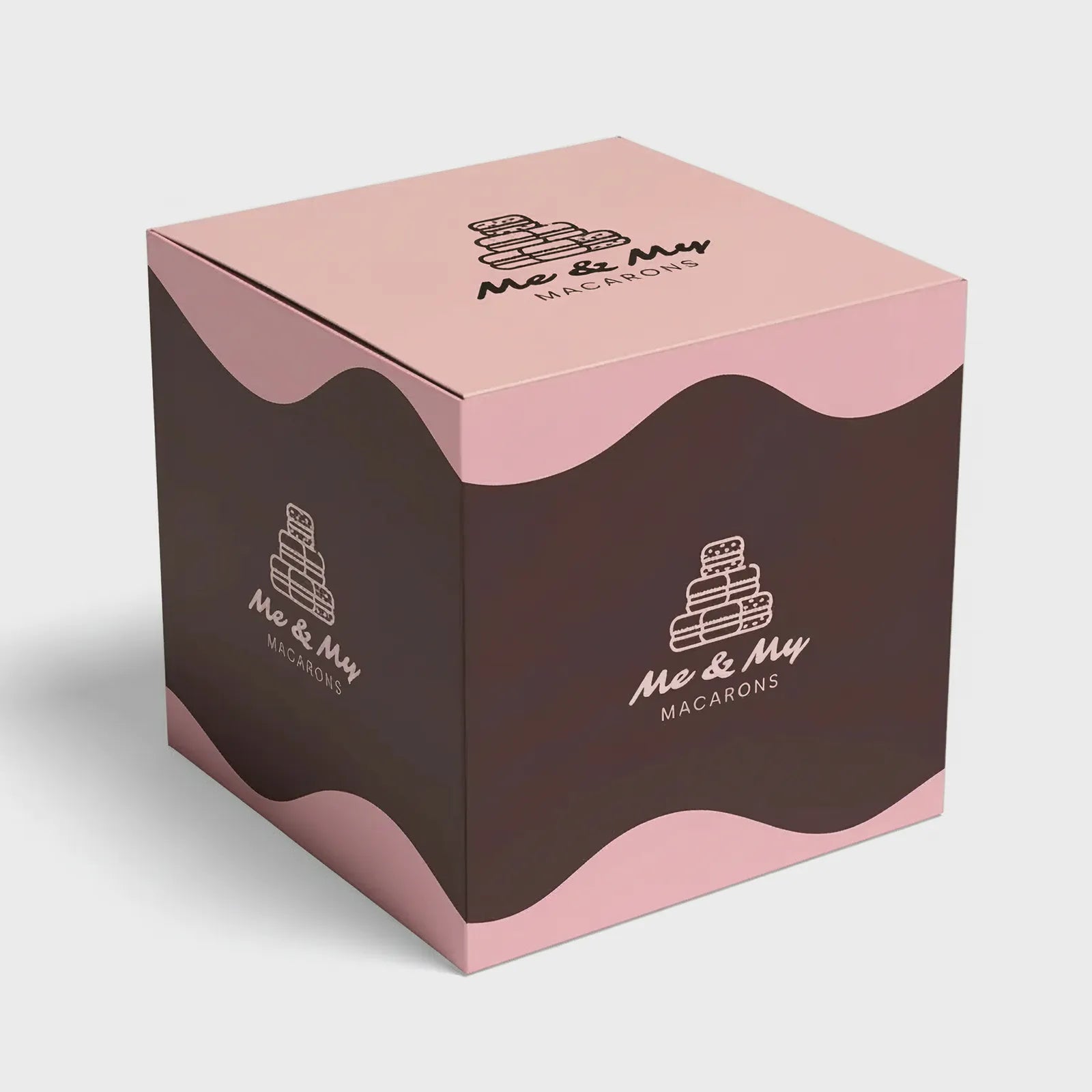
Yes. Food boxes can be custom printed with a logo, brand name or custom artwork, turning the outer surface of the packaging into a visible part of the customer experience.
Artwork can include:
- restaurant logos,
- brand names,
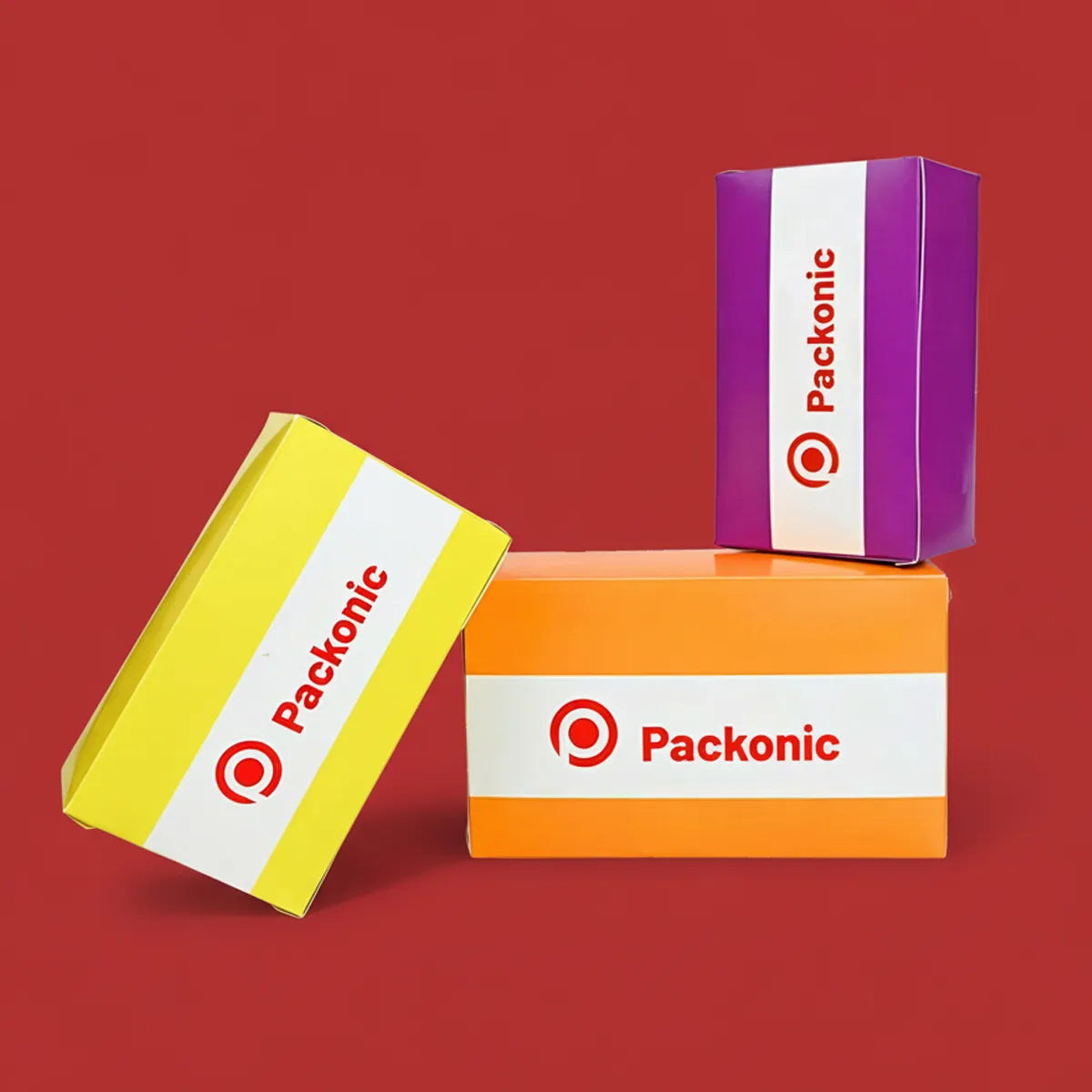
- brand colours,
- repeat patterns,
- simple illustrations,
- campaign graphics,
- or other branded visual elements.
The box should still be designed around the food first. A strong print design cannot compensate for a box that is too small, too shallow or unsuitable for the way the meal is served.
Which Custom Food Box Should You Choose?
The best custom printed food box depends on how the box needs to work during packing, service and transport.
Start with five questions:
- What type of food goes inside?
- What finished box dimensions are required?
- Does the operation need fast Easy Assembly or a Lock Bottom structure?
- Should the box be White or Kraft?
- What order quantity matches real consumption?
Choosing the box in this order is more reliable than starting with artwork or price alone.
Easy Assembly or Lock Bottom Food Boxes?
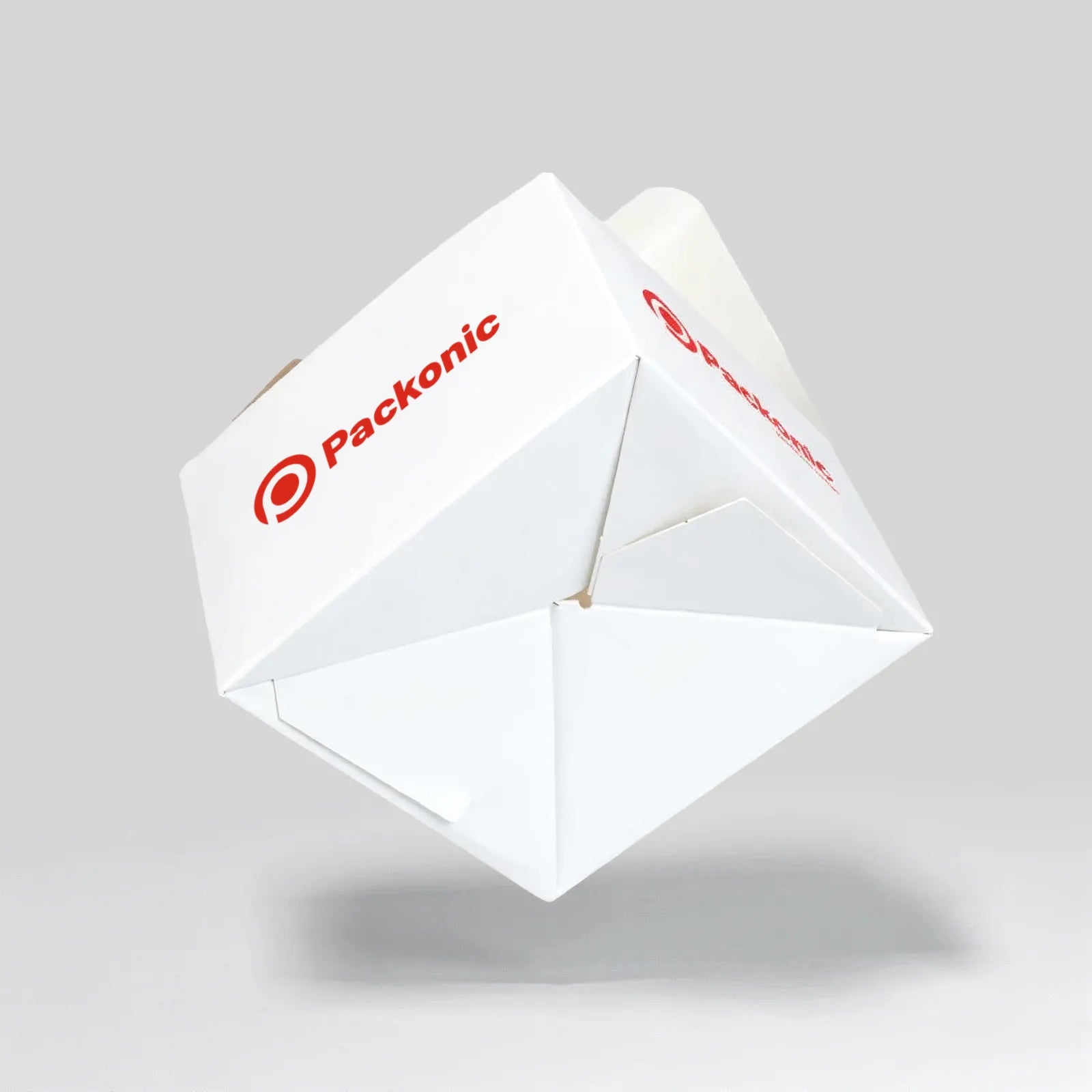
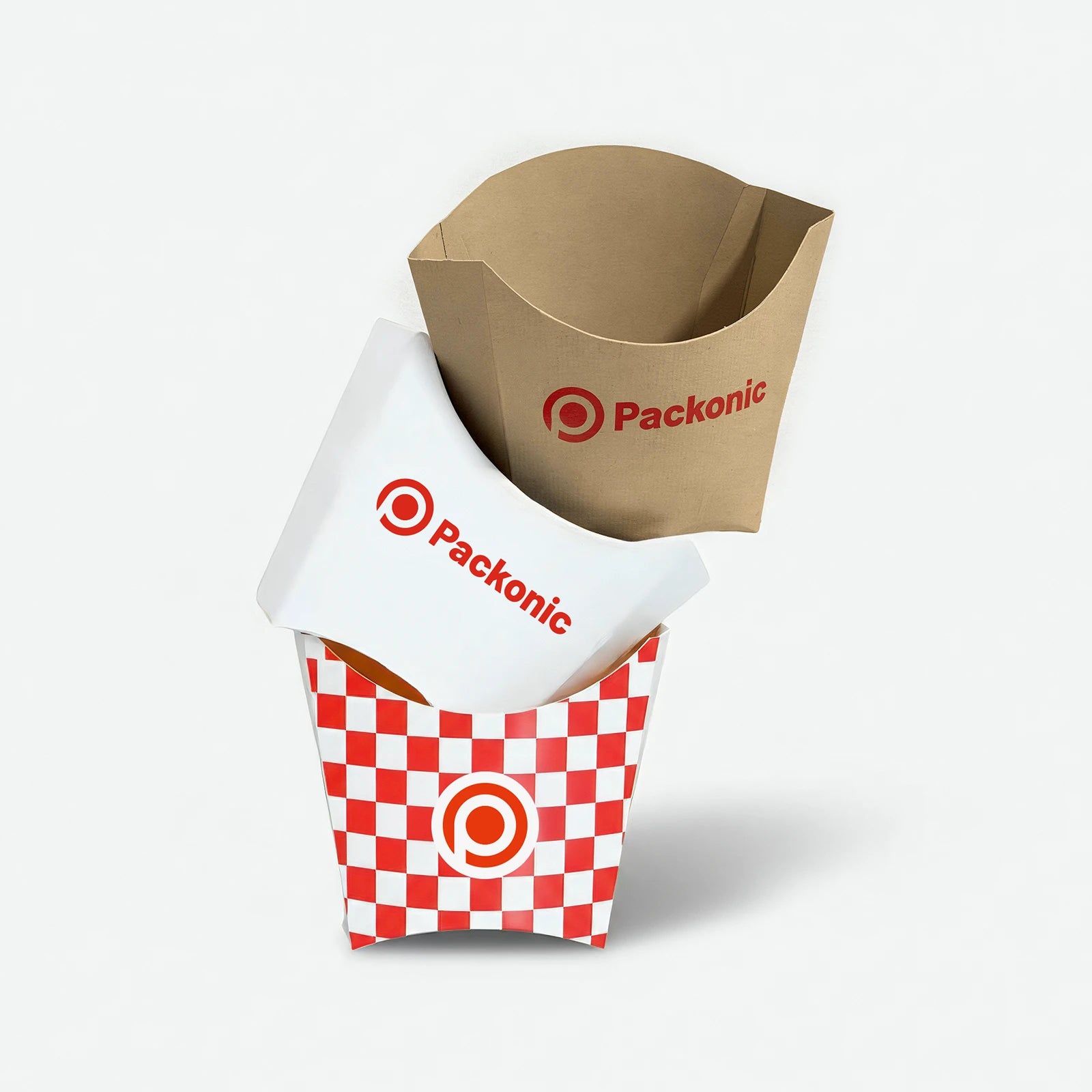
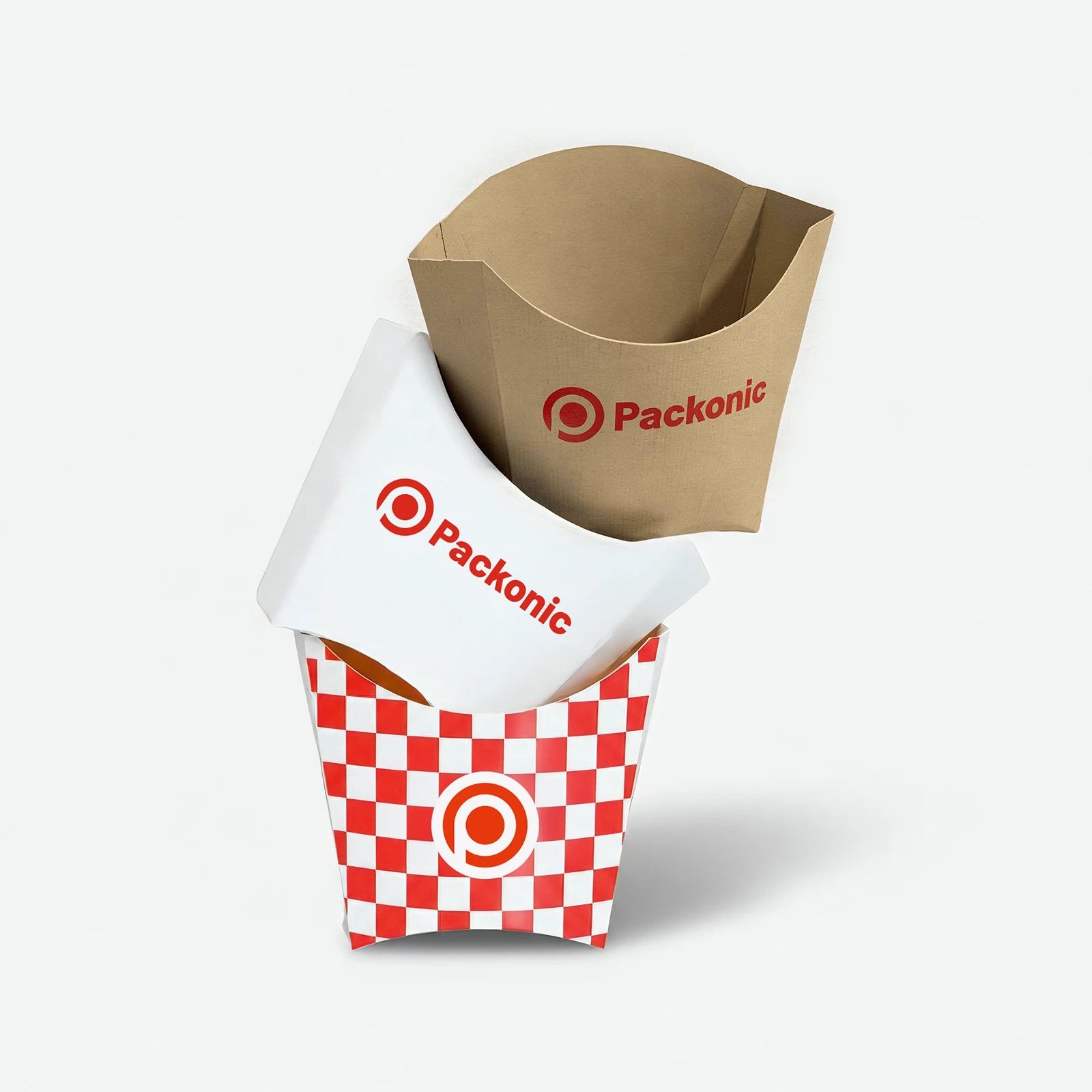
Easy Assembly and Lock Bottom boxes serve the same broad food-box need, but the way they are formed is different.
Choose Easy Assembly Food Boxes When:
- quick preparation during service is important,
- staff need a straightforward box format,
- the business wants a lower starting quantity on selected products,
- or the box is being used across a fast-moving takeaway operation.
The current Custom Printed Food Boxes – Easy Assembly – White and Custom Printed Food Boxes – Easy Assembly – Kraft start from 500 pieces.
Choose Lock Bottom Food Boxes When:
- a different folded base construction is preferred,
- the box specification requires the Lock Bottom format,
- the business has predictable repeat volume,
- or the selected meal format fits the available Lock Bottom sizes better.
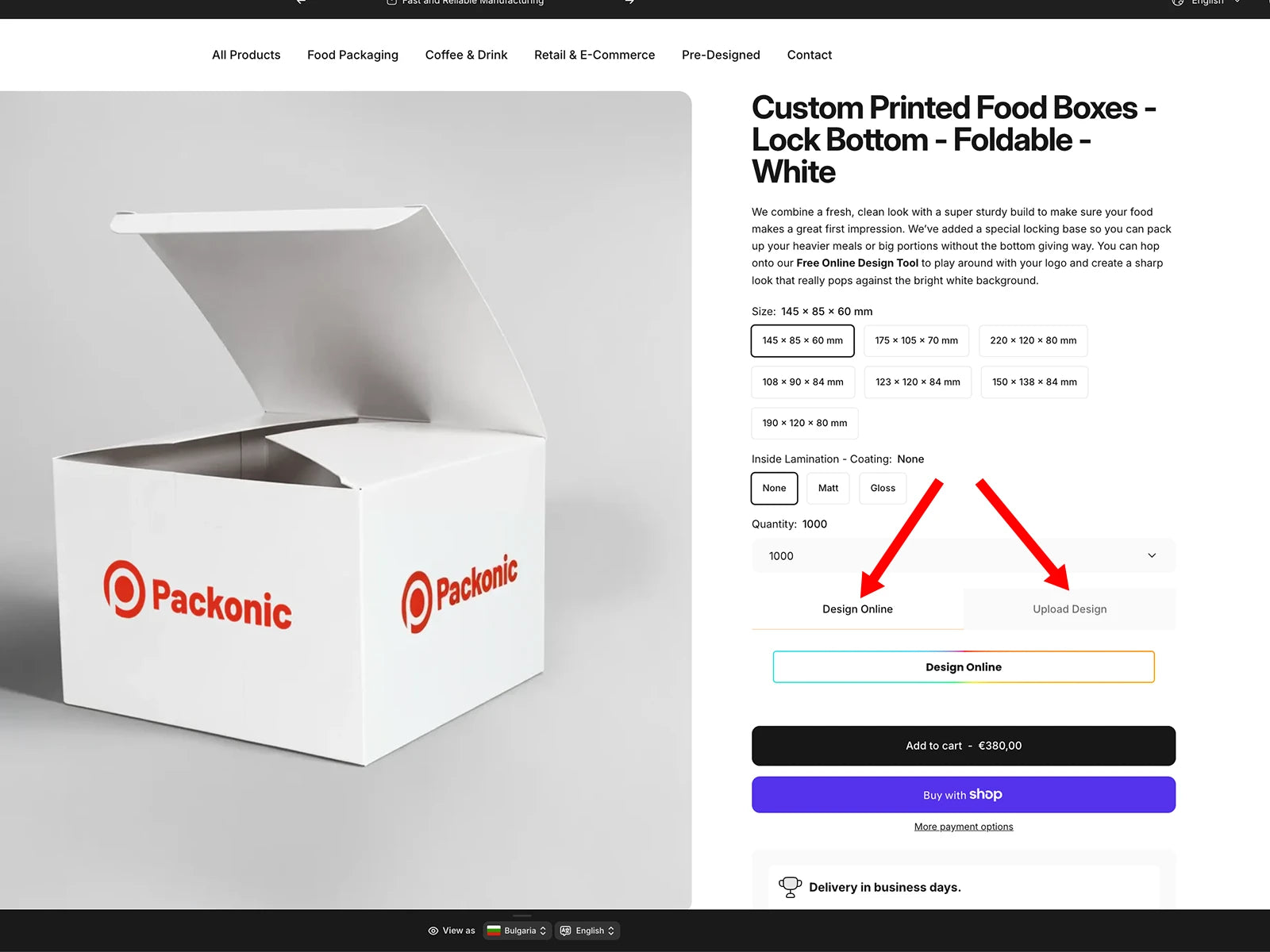
The current Custom Printed Food Boxes – Lock Bottom – Foldable – White and Custom Printed Food Boxes – Lock Bottom – Foldable – Kraft start from 1,000 pieces.
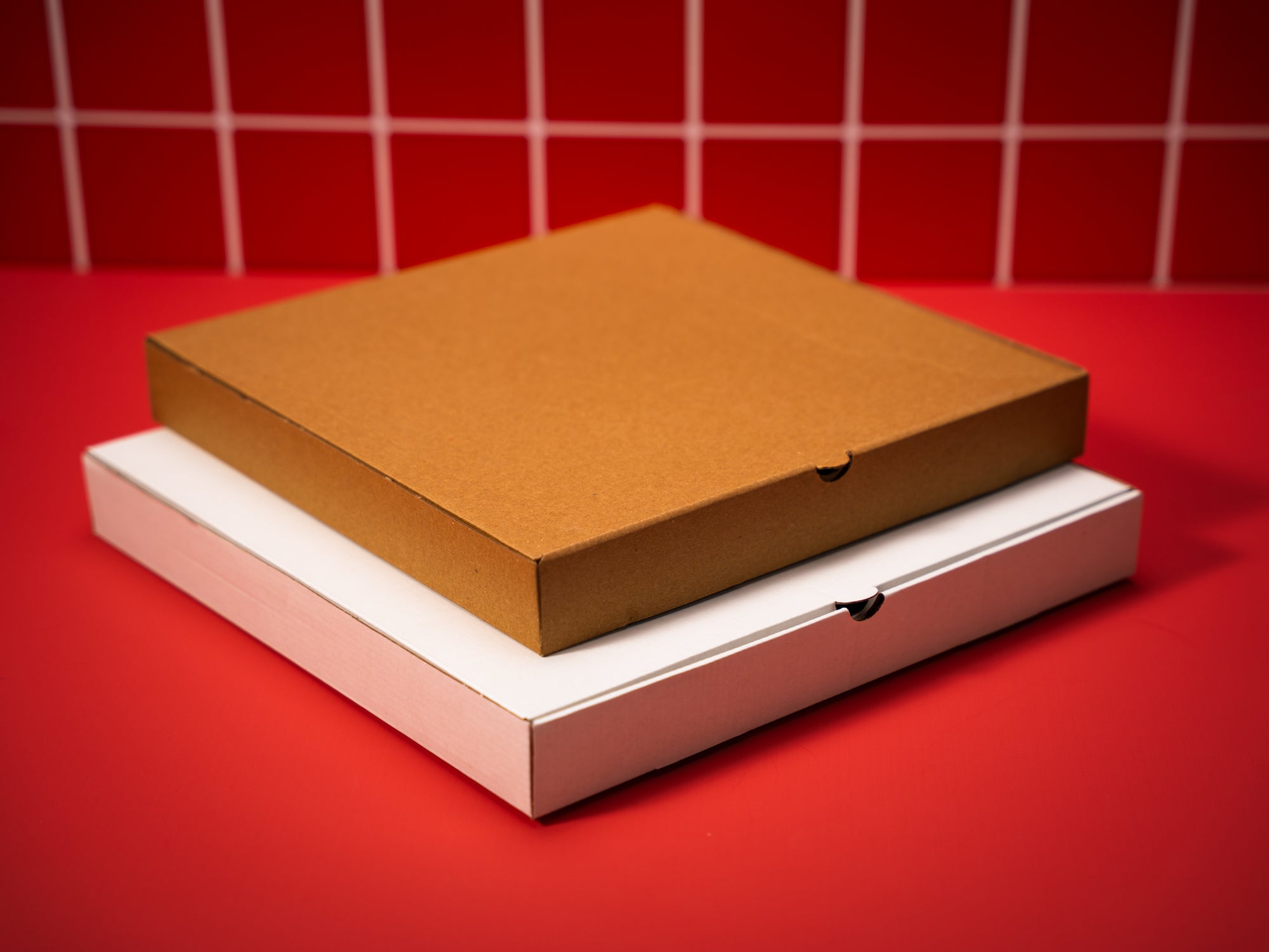
White or Kraft Food Boxes?
White and Kraft boxes can share the same basic food-packaging function but create a different visual result.
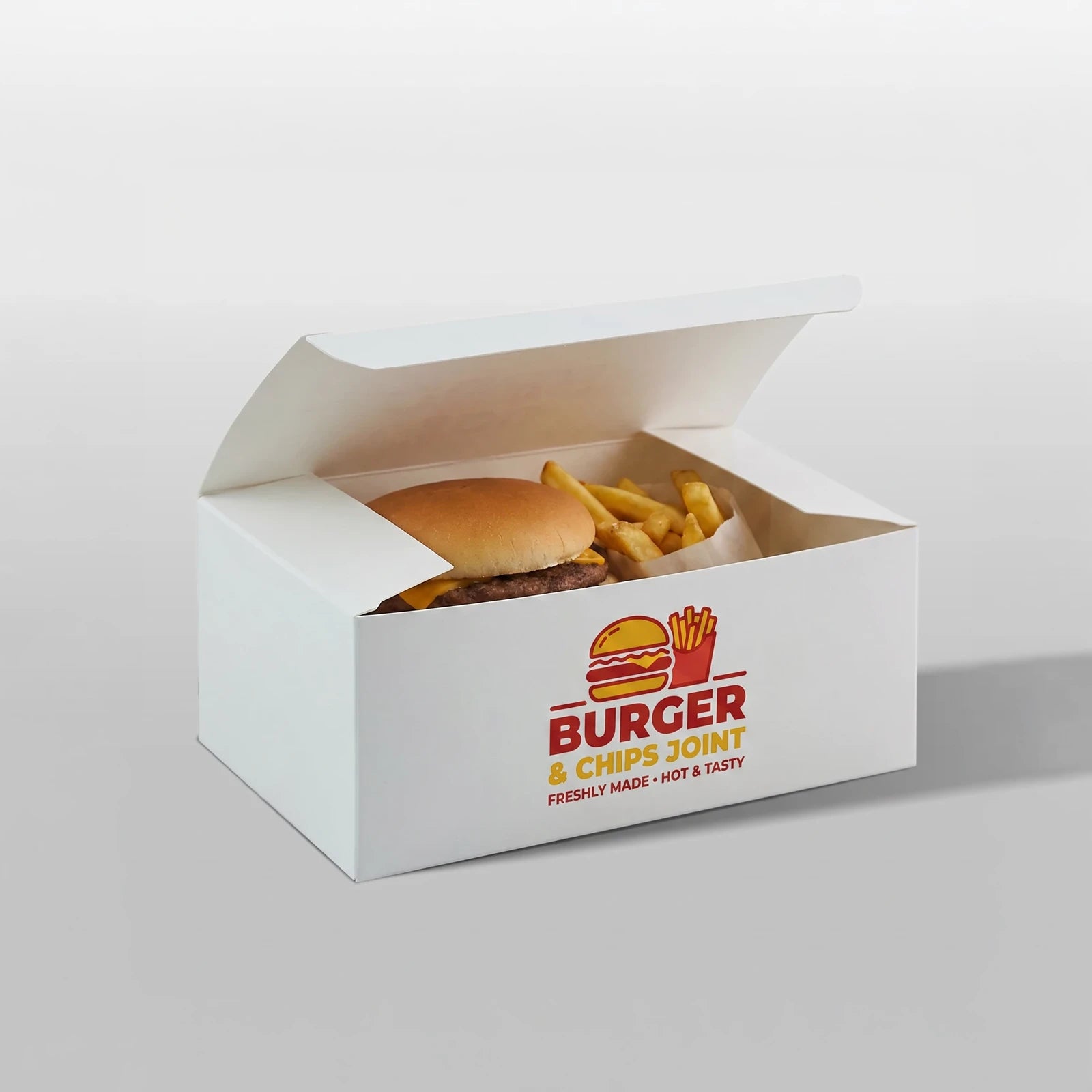
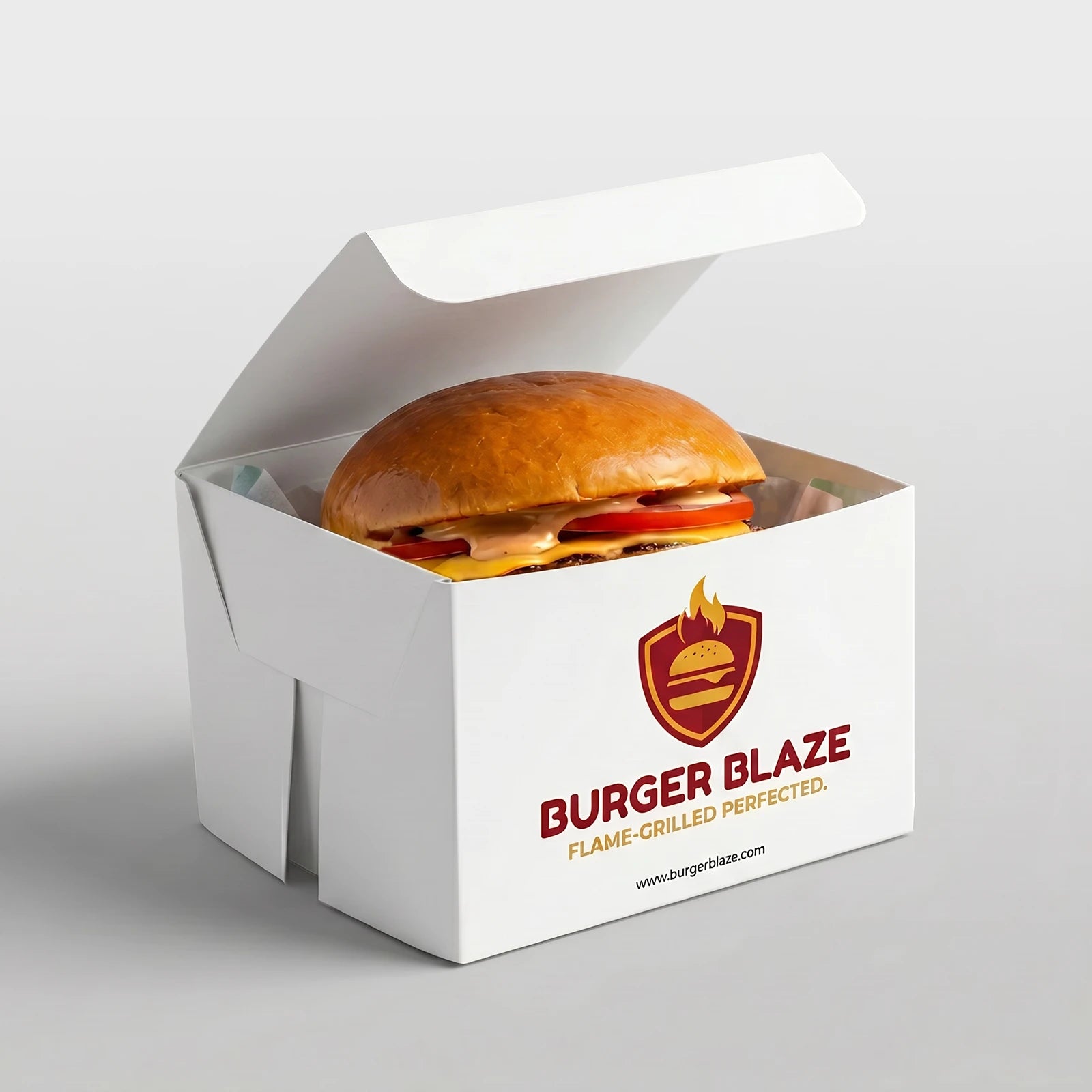
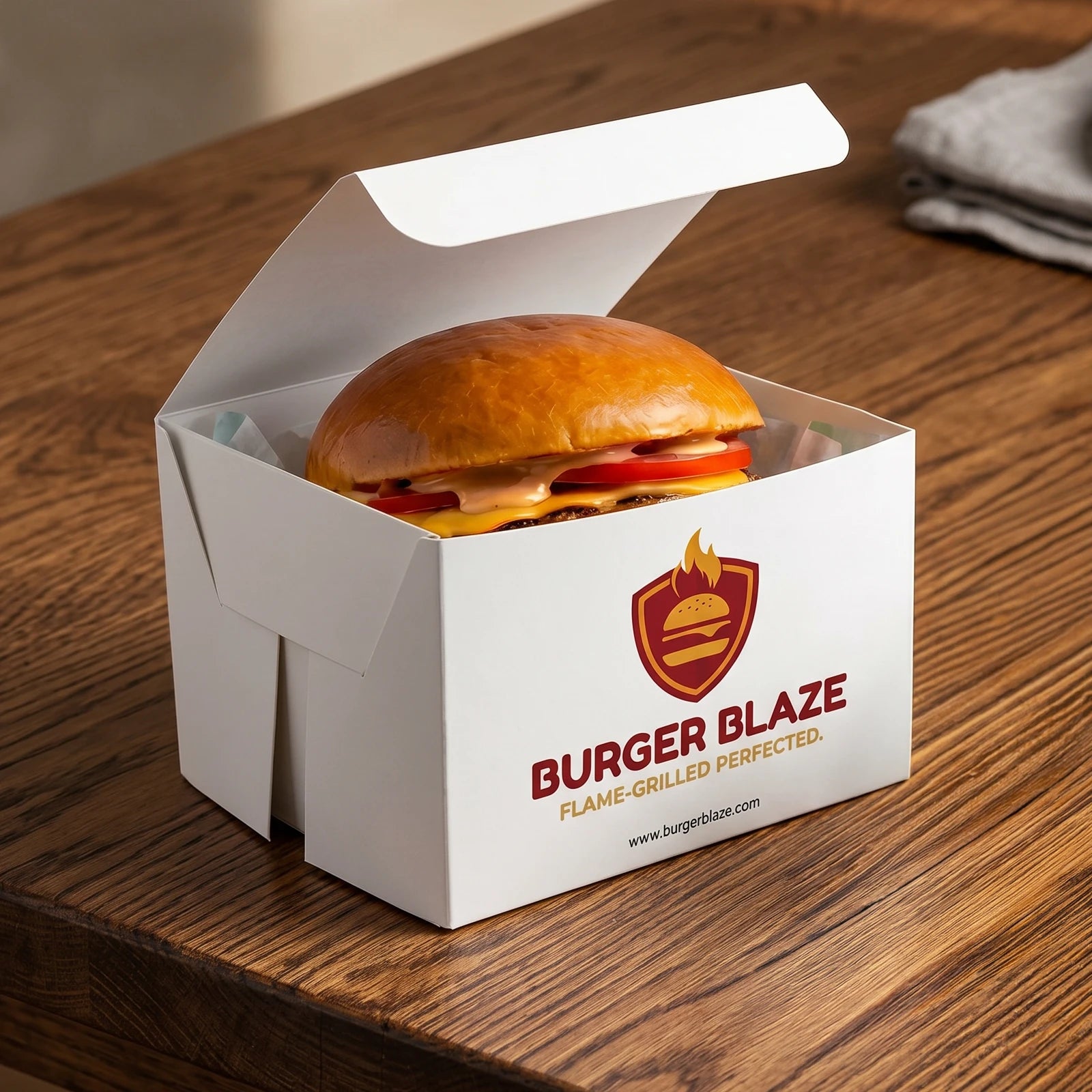
White Custom Food Boxes
White paper can be useful when:
- bright brand colours need strong contrast,
- the logo contains several colours,
- a clean visual presentation is preferred,
- or the artwork needs a neutral background.
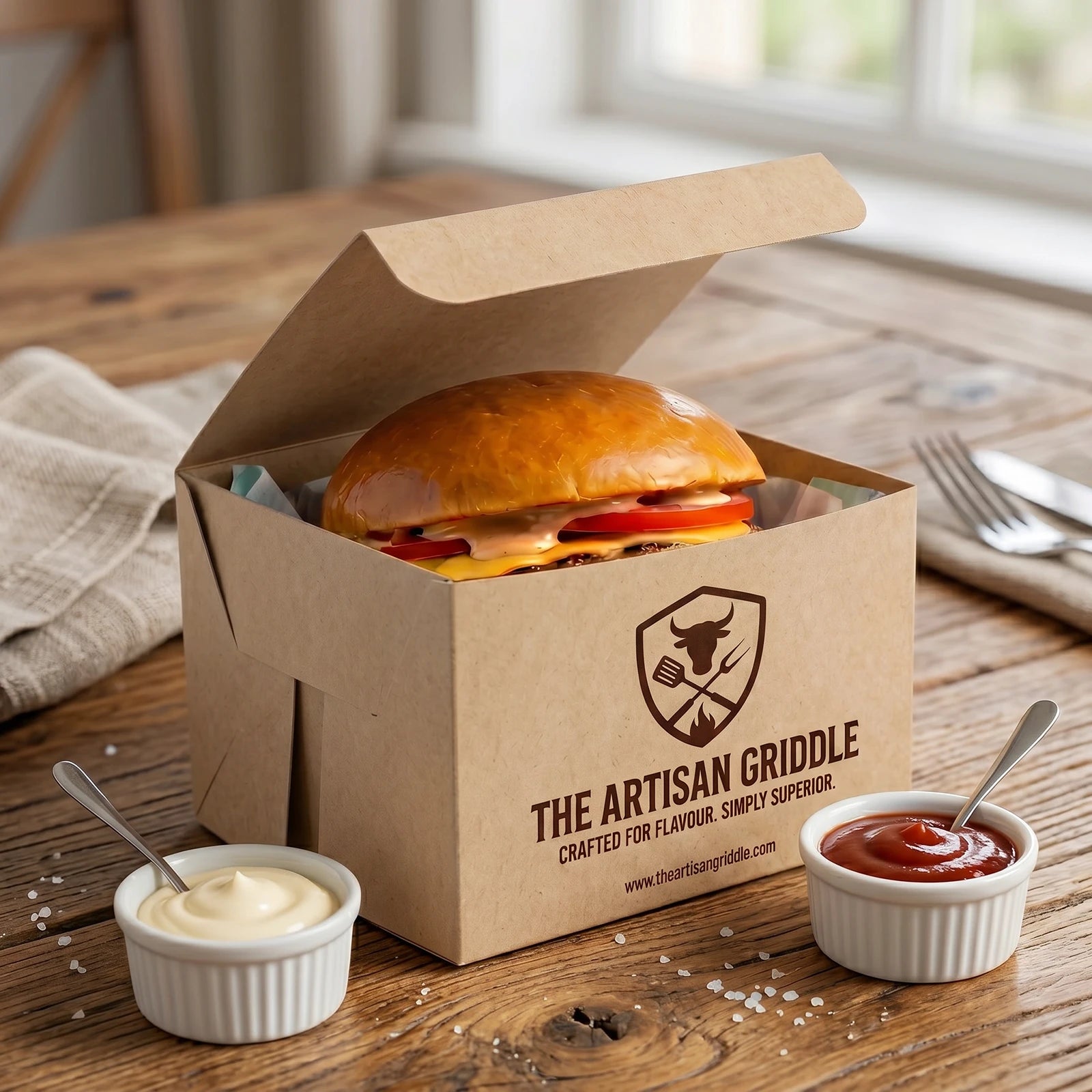
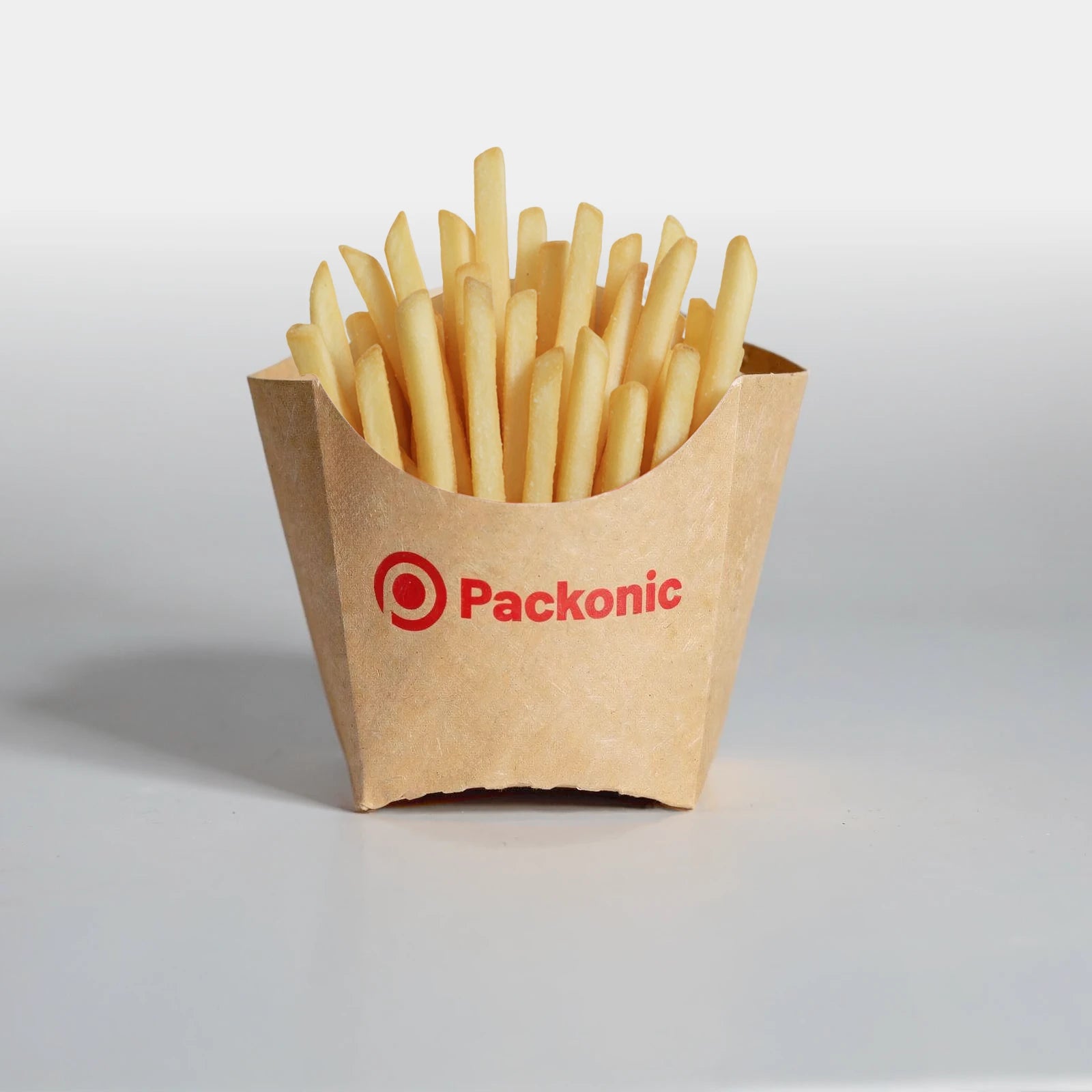
Kraft Custom Food Boxes
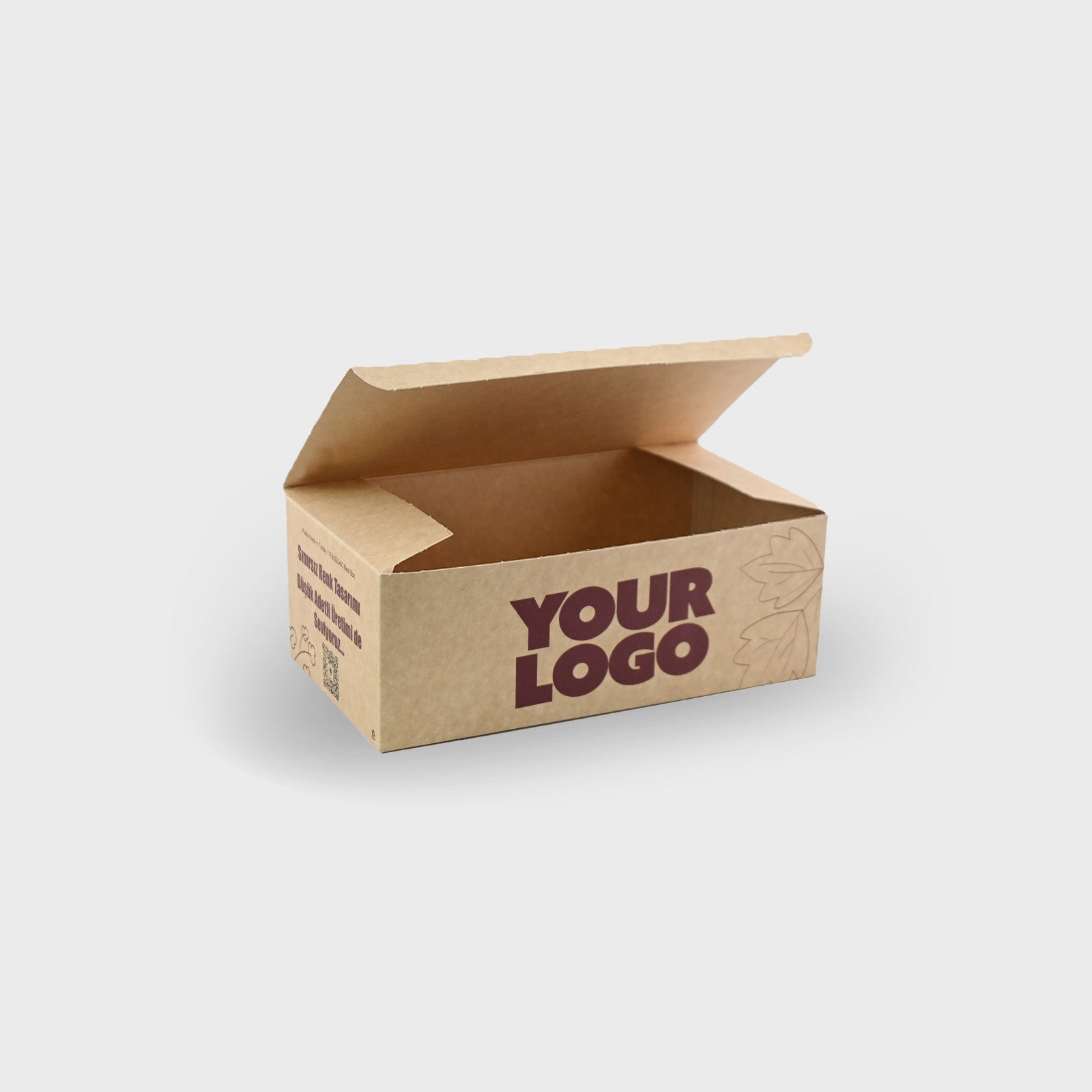
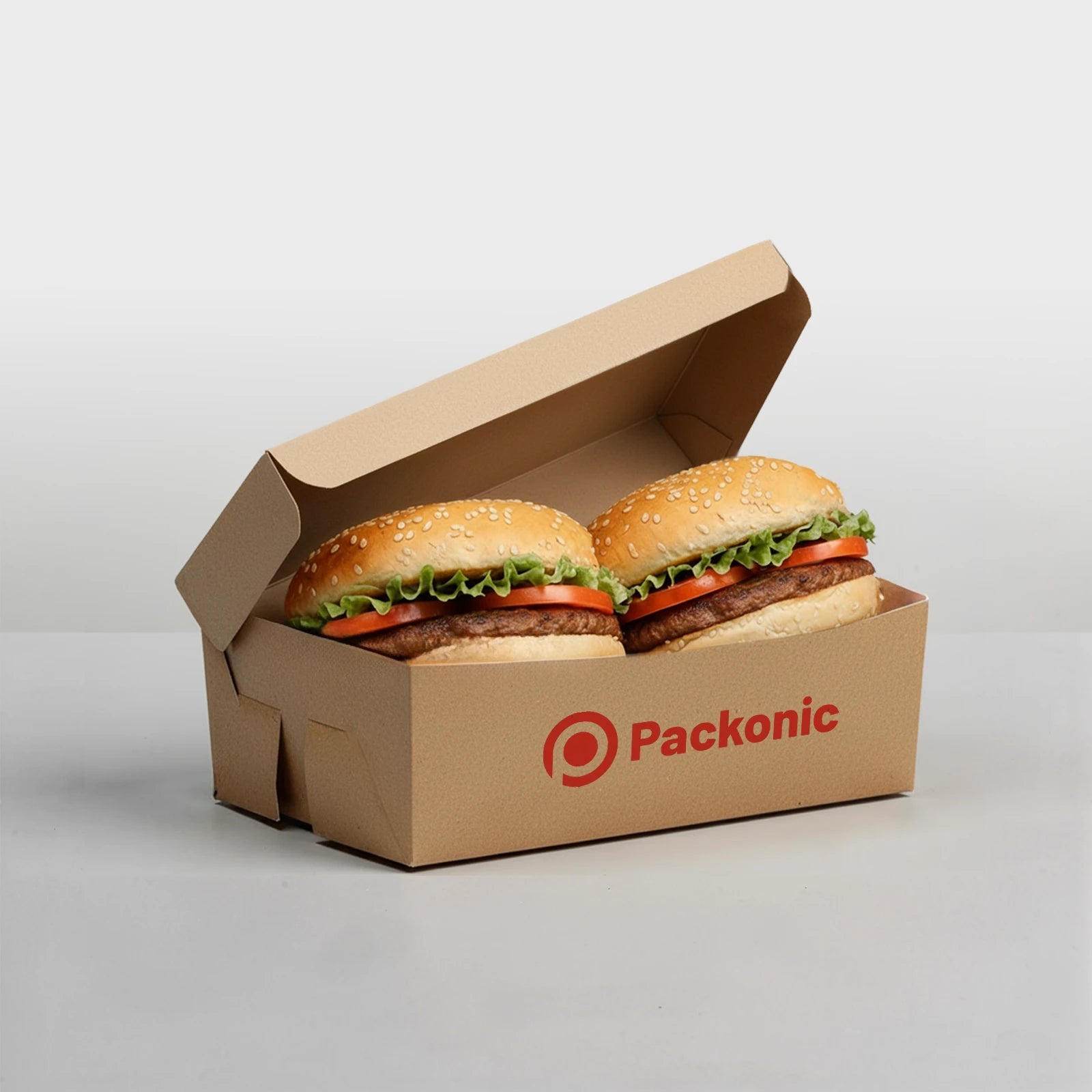
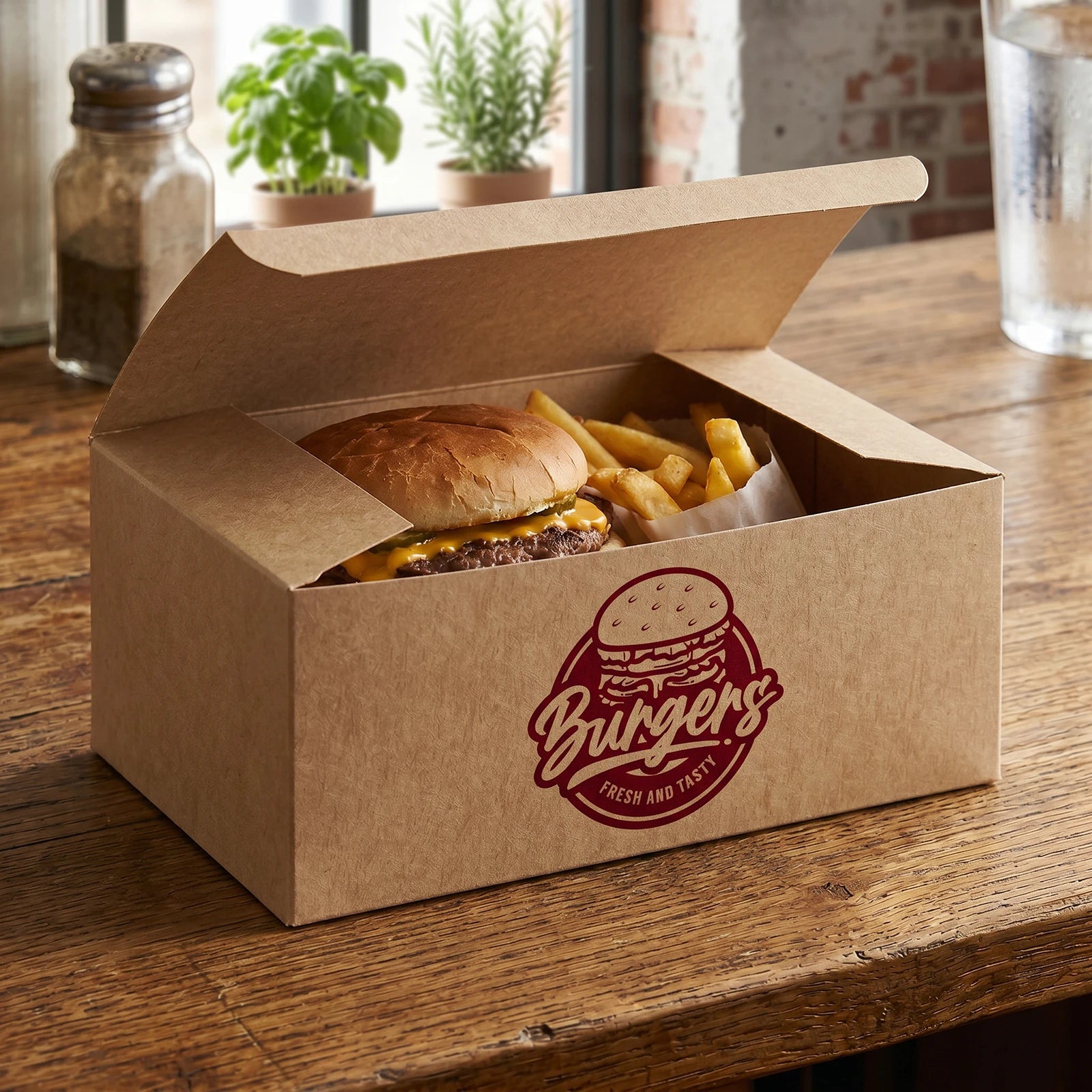
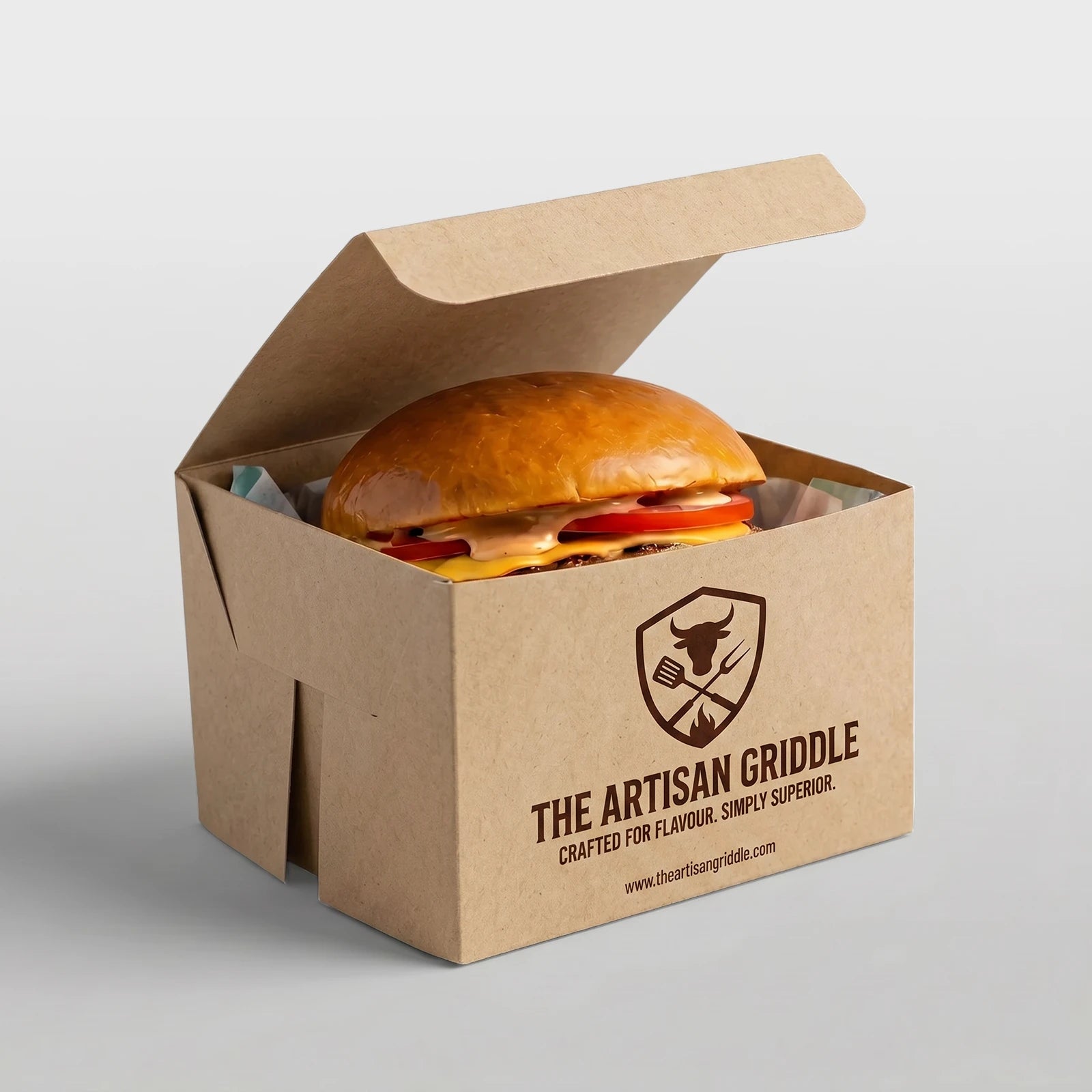
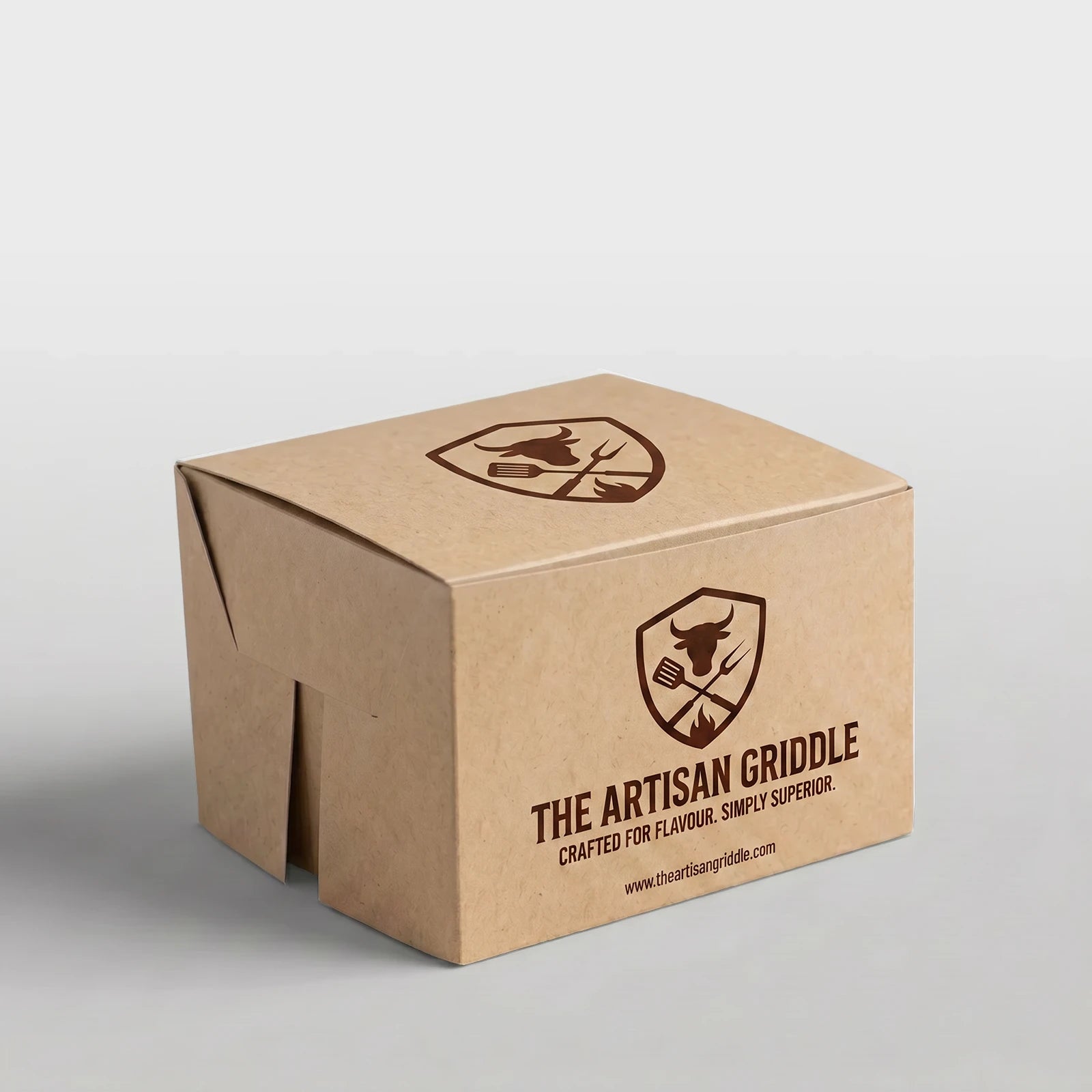
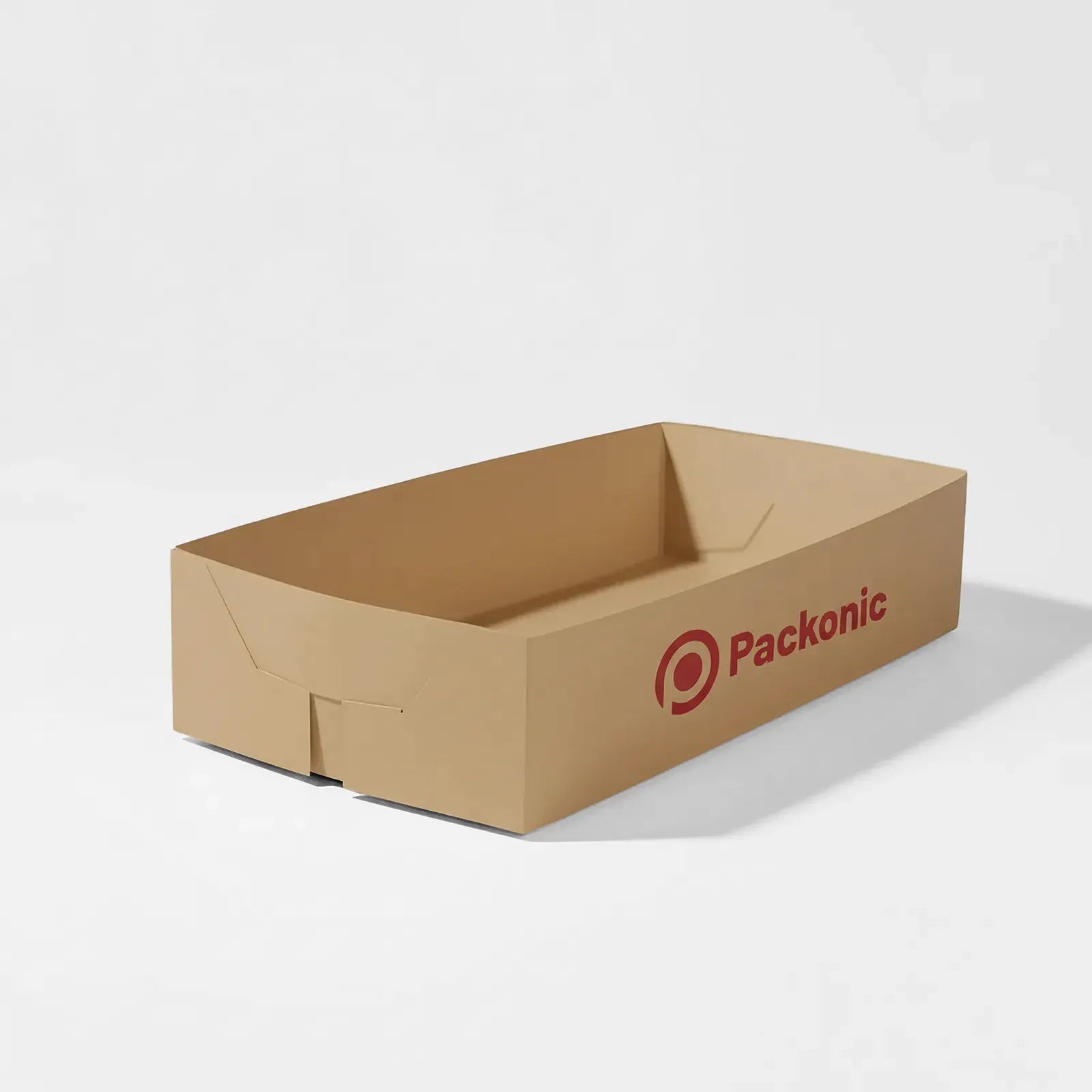
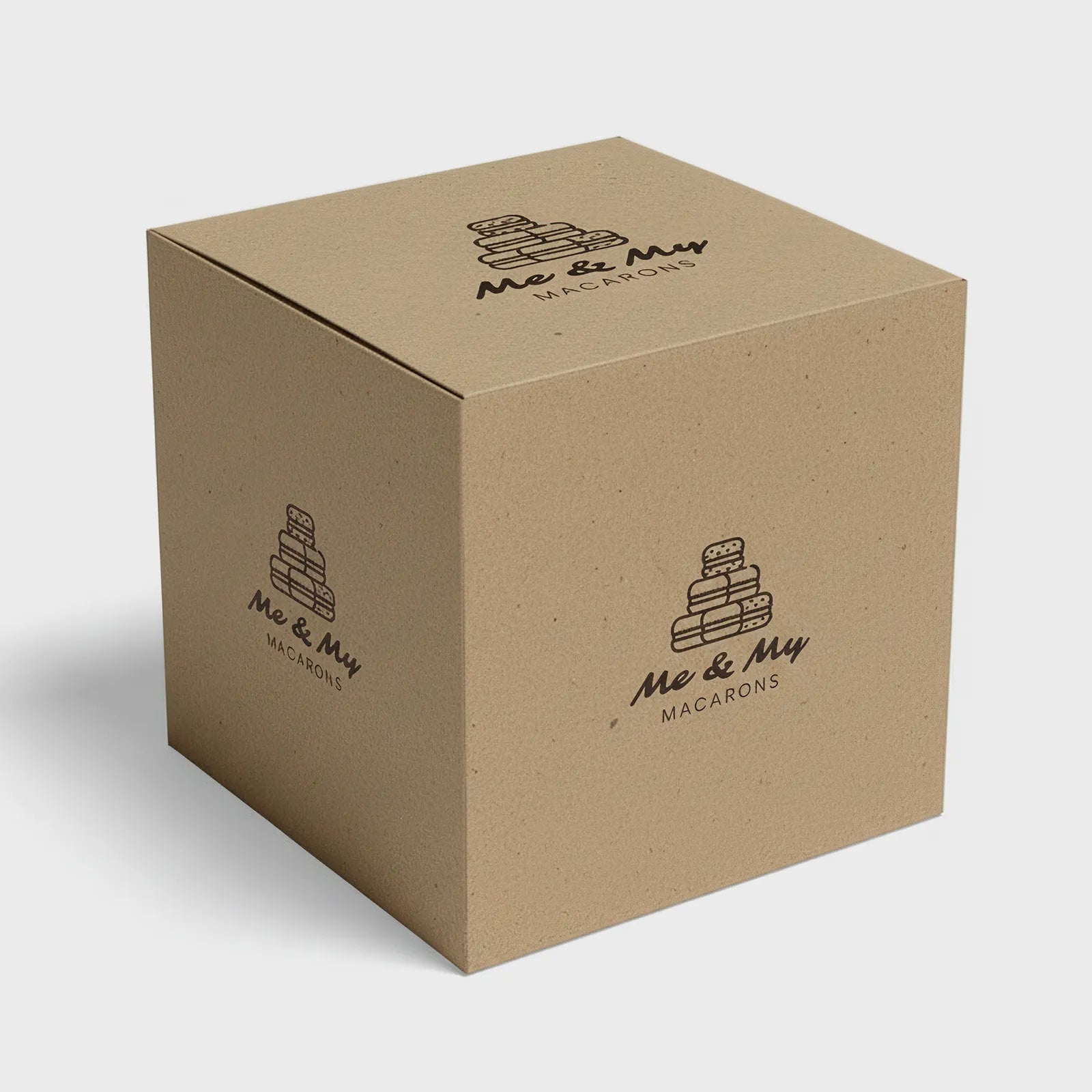
Kraft paper creates a natural brown appearance and can suit:
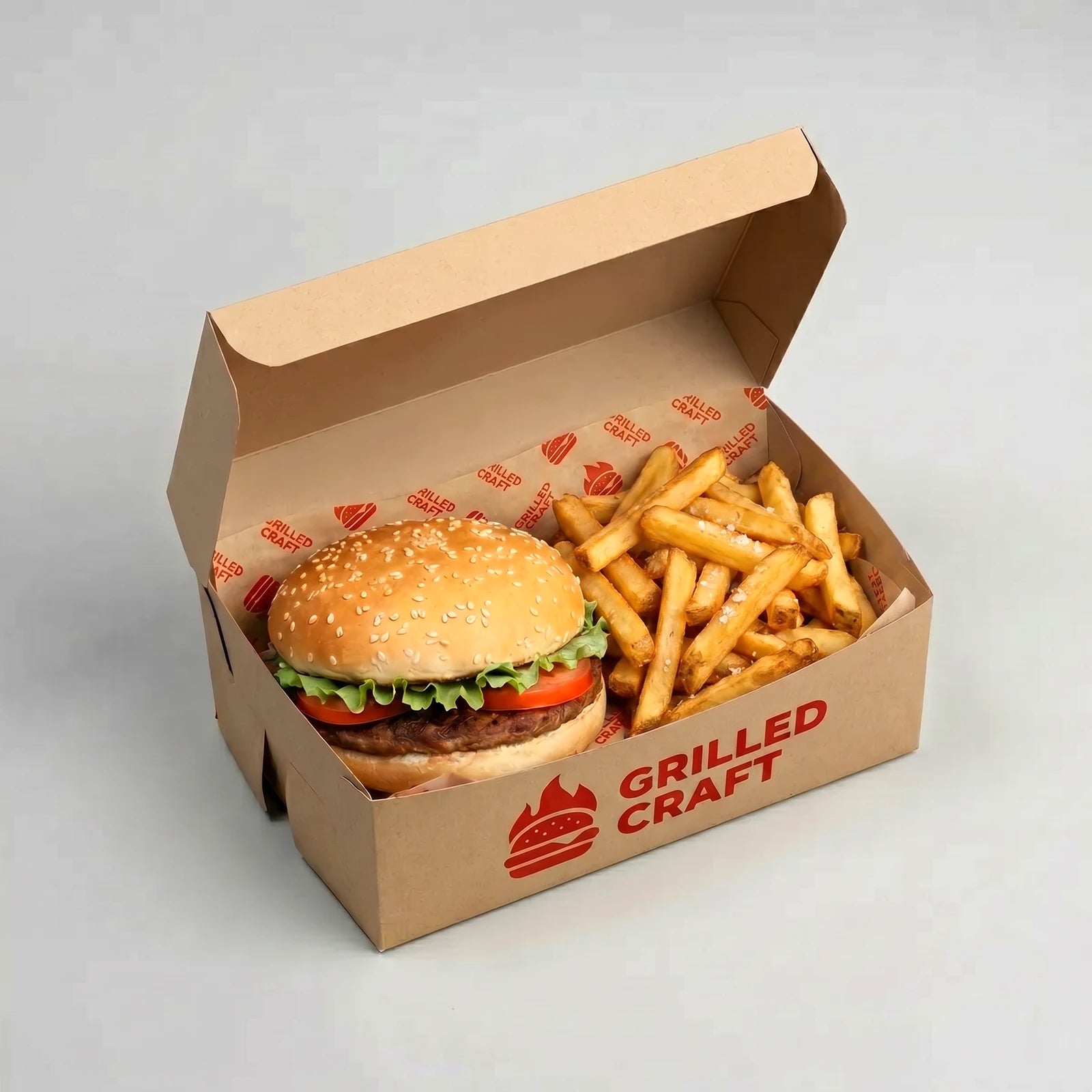
- burger restaurants,
- street-food concepts,
- artisan cafés and bakeries,
- casual dining,
- and brands using dark, simple or minimal artwork.
The choice should follow the restaurant's visual identity rather than assuming White or Kraft is automatically the better option.
What Material Are Packonic Food Boxes Made From?
Verified core Packonic food-box products use either Paper or Kraft Paper depending on the selected White or Kraft format.
Key Easy Assembly and Lock Bottom products use 300 GSM material.
GSM should not be evaluated on its own. The finished box also depends on:
- box dimensions,
- folding structure,
- meal weight and shape,
- how the food is packed,
- and how the order is carried or delivered.
What Sizes Are Available for Custom Food Boxes?
Packonic's verified core food-box range includes several dimensions for different meal formats.
Current Easy Assembly formats include:
- 145 × 85 × 60 mm
- 175 × 105 × 70 mm
- 220 × 120 × 80 mm
- 190 × 120 × 80 mm
- 123 × 120 × 84 mm
Current Lock Bottom formats include:
- 145 × 85 × 60 mm
- 175 × 105 × 70 mm
- 220 × 120 × 80 mm
- 108 × 90 × 84 mm
- 123 × 120 × 84 mm
- 150 × 138 × 84 mm
- 190 × 120 × 80 mm
- 220 × 120 × 40 mm
The correct size should be selected around the finished portion rather than simply choosing the largest box available.
How Do You Choose the Right Food Box Size?
Measure the complete meal as it will actually be packed.
Consider:
- food length and width,
- finished height,
- sauces or toppings,
- whether fries or sides share the same box,
- whether greaseproof paper is placed inside,
- and whether the product needs empty space to prevent compression.
A box that is too large can make the meal look undersized and use unnecessary material, while a box that is too small can damage presentation or make closing difficult.
Which Food Box Is Best for Restaurants & Takeaways?
There is no single box that fits every restaurant menu.
A practical approach is:
- Compact food portions: start with smaller rectangular formats.
- Standard takeaway meals: compare medium-depth Easy Assembly or Lock Bottom boxes.
- Larger meals: consider 190 × 120 × 80 mm or 220 × 120 × 80 mm formats where suitable.
- Shallower presentation: compare lower-depth options such as 220 × 120 × 40 mm.
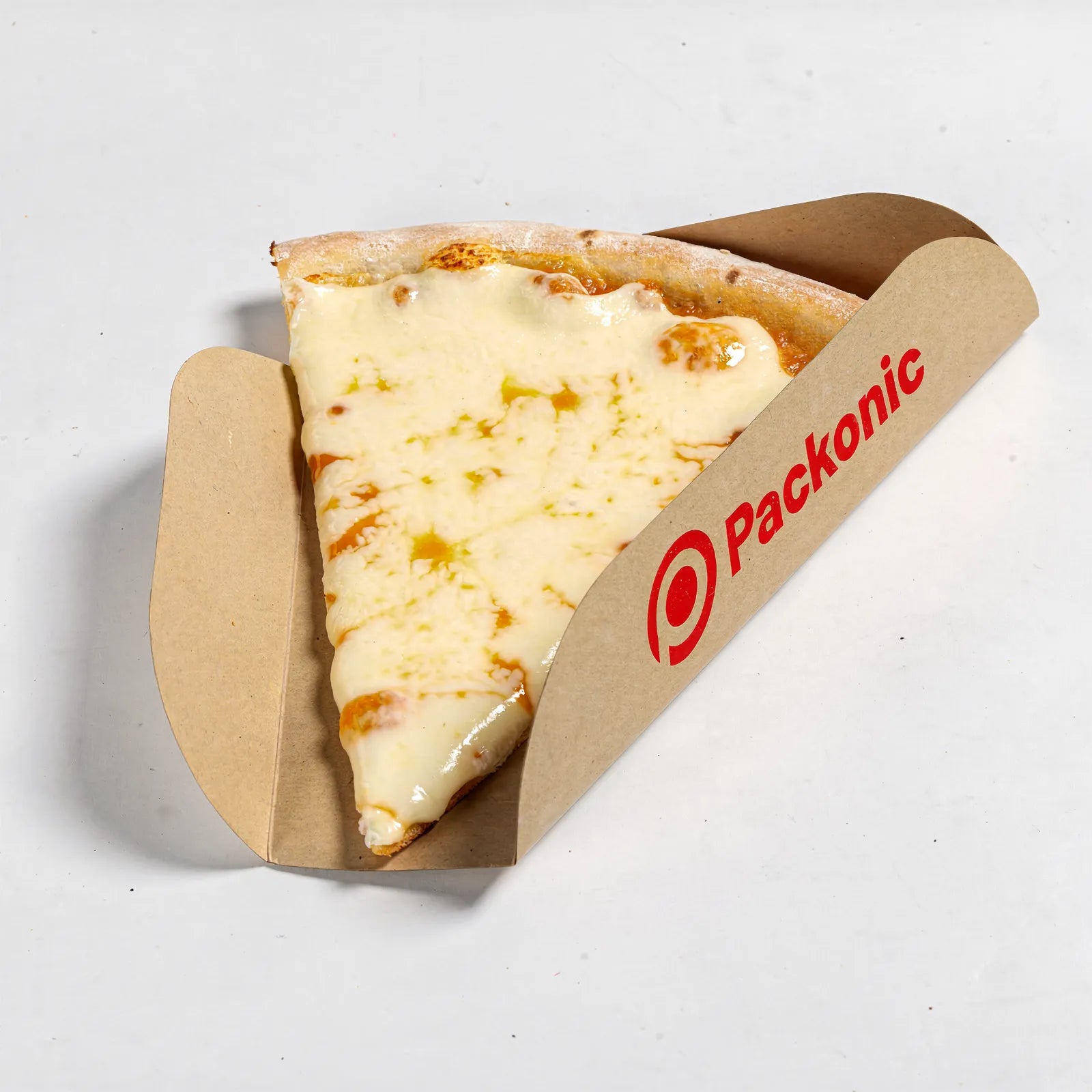
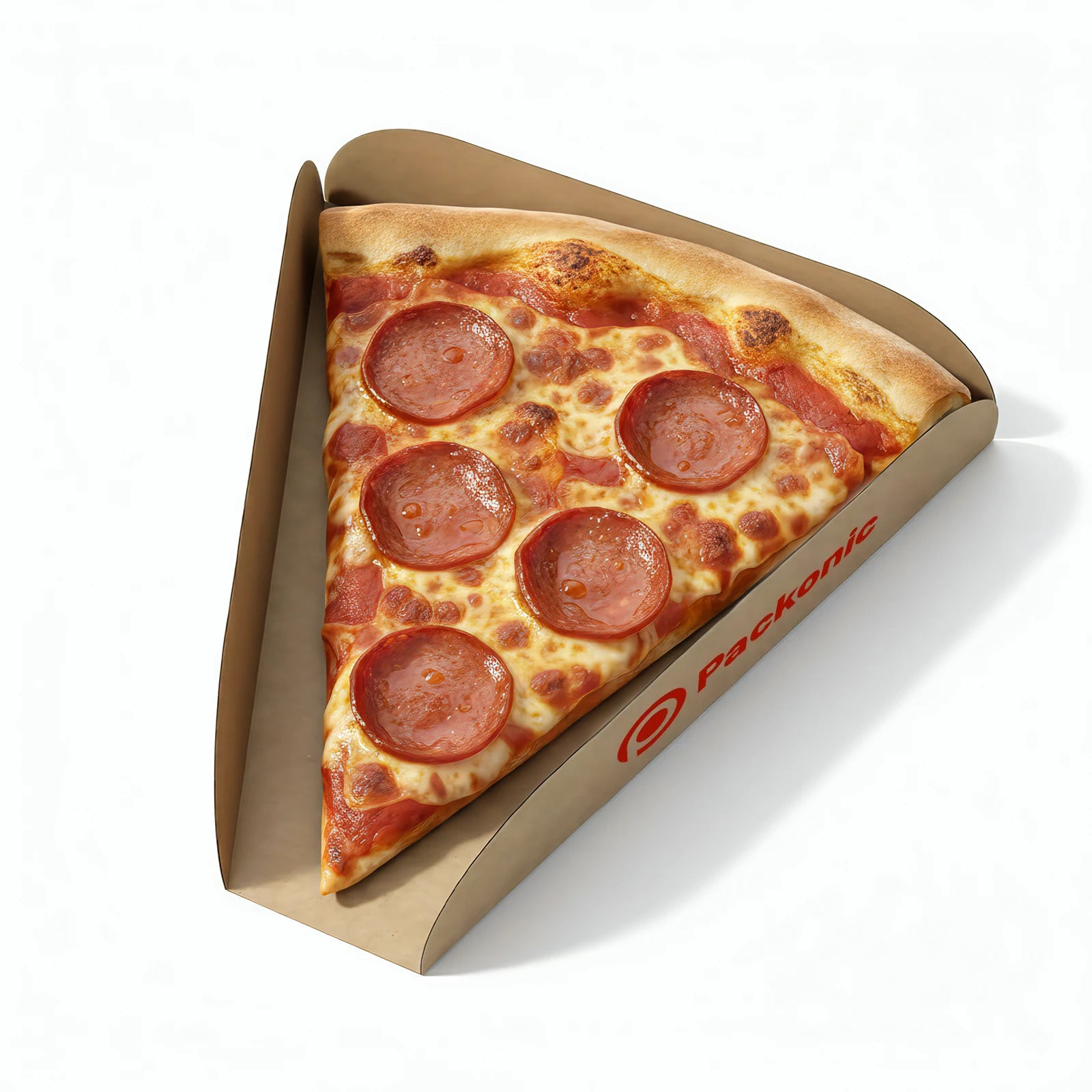
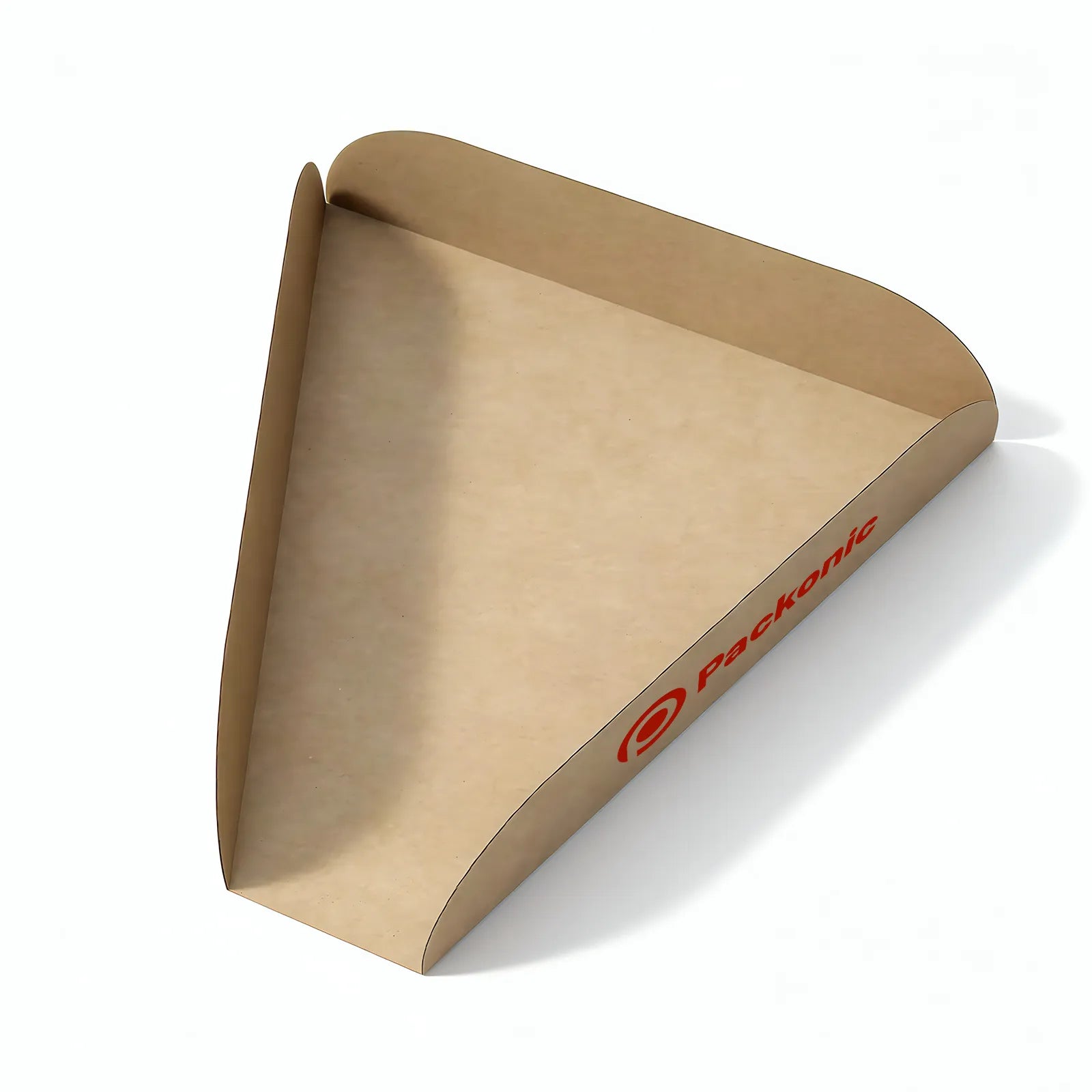
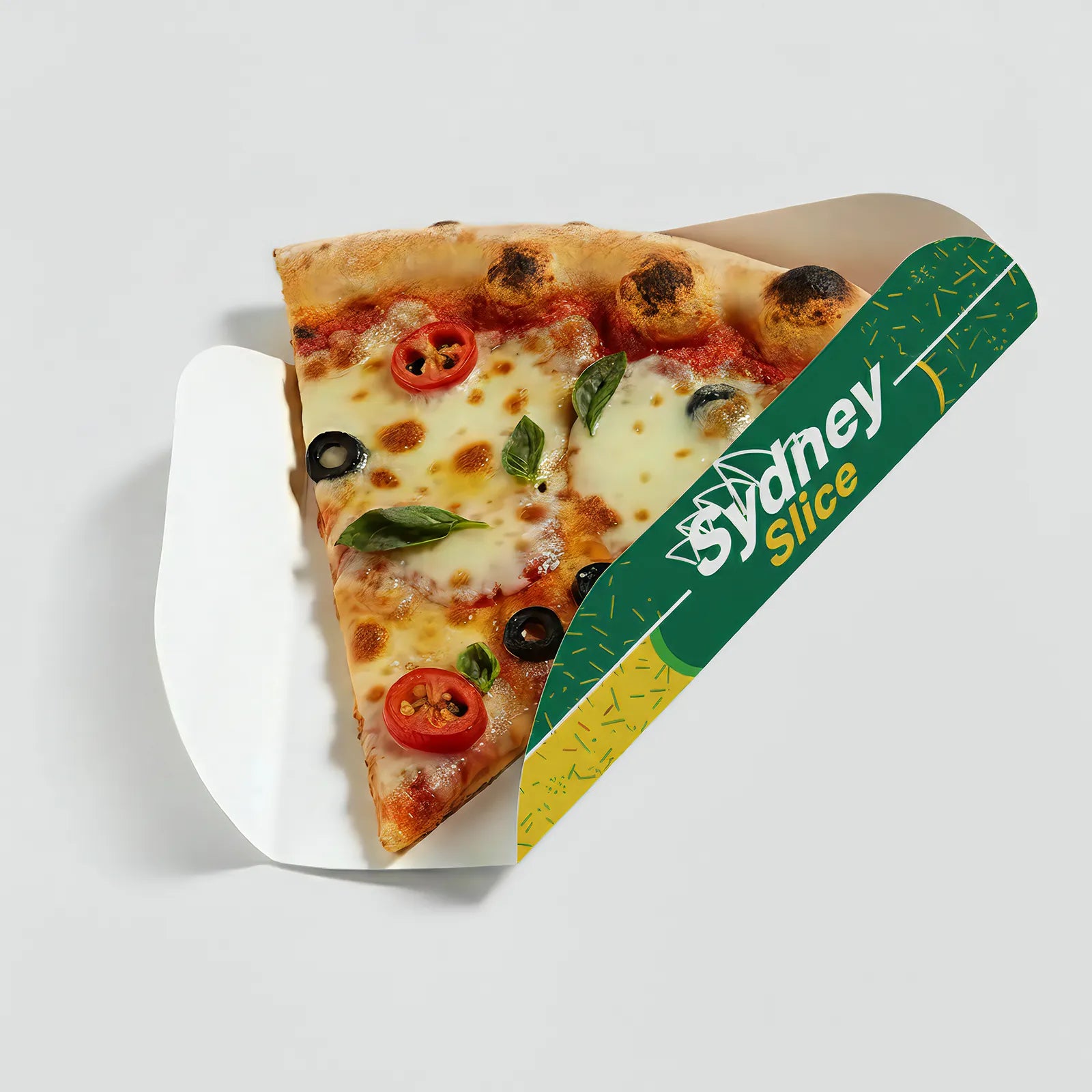
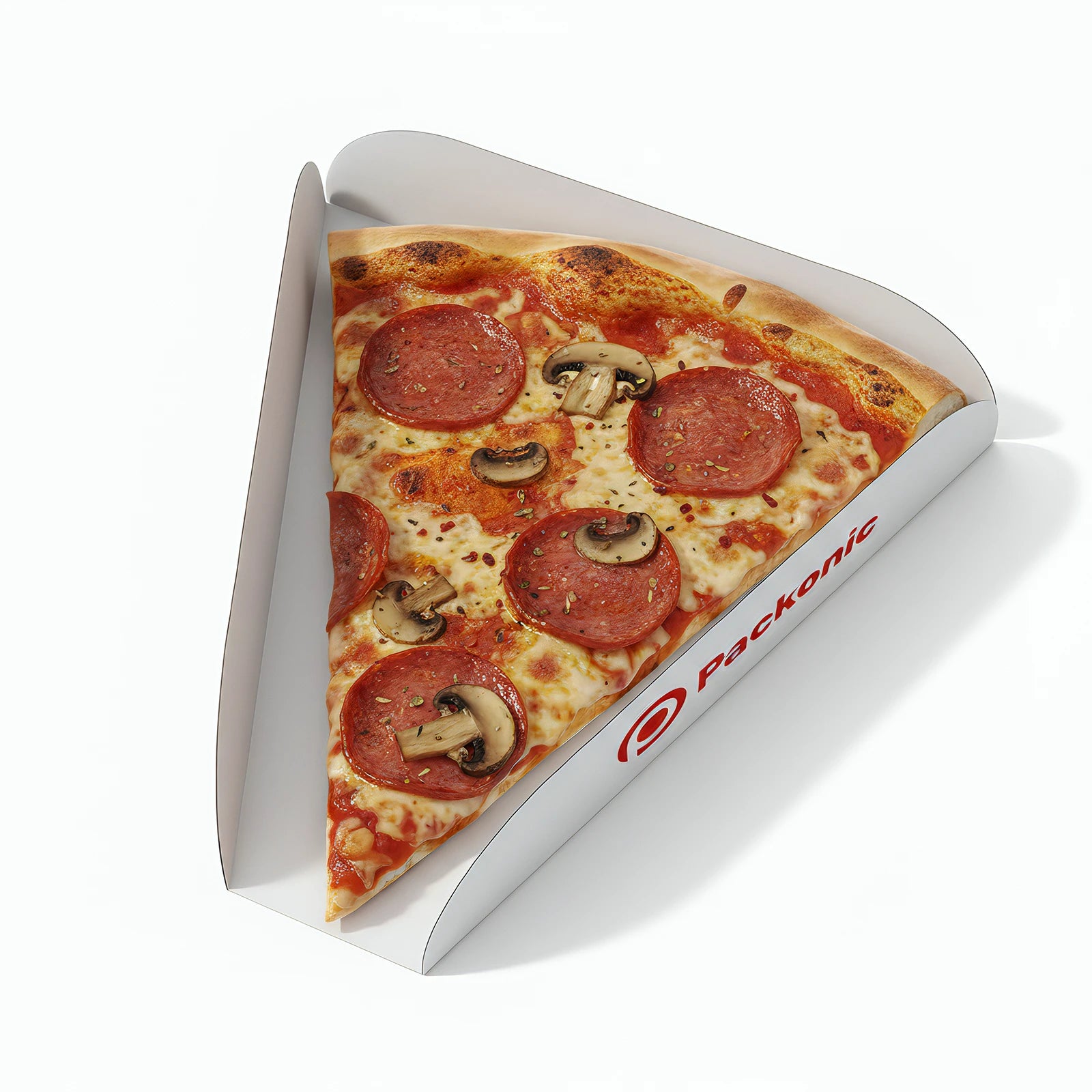
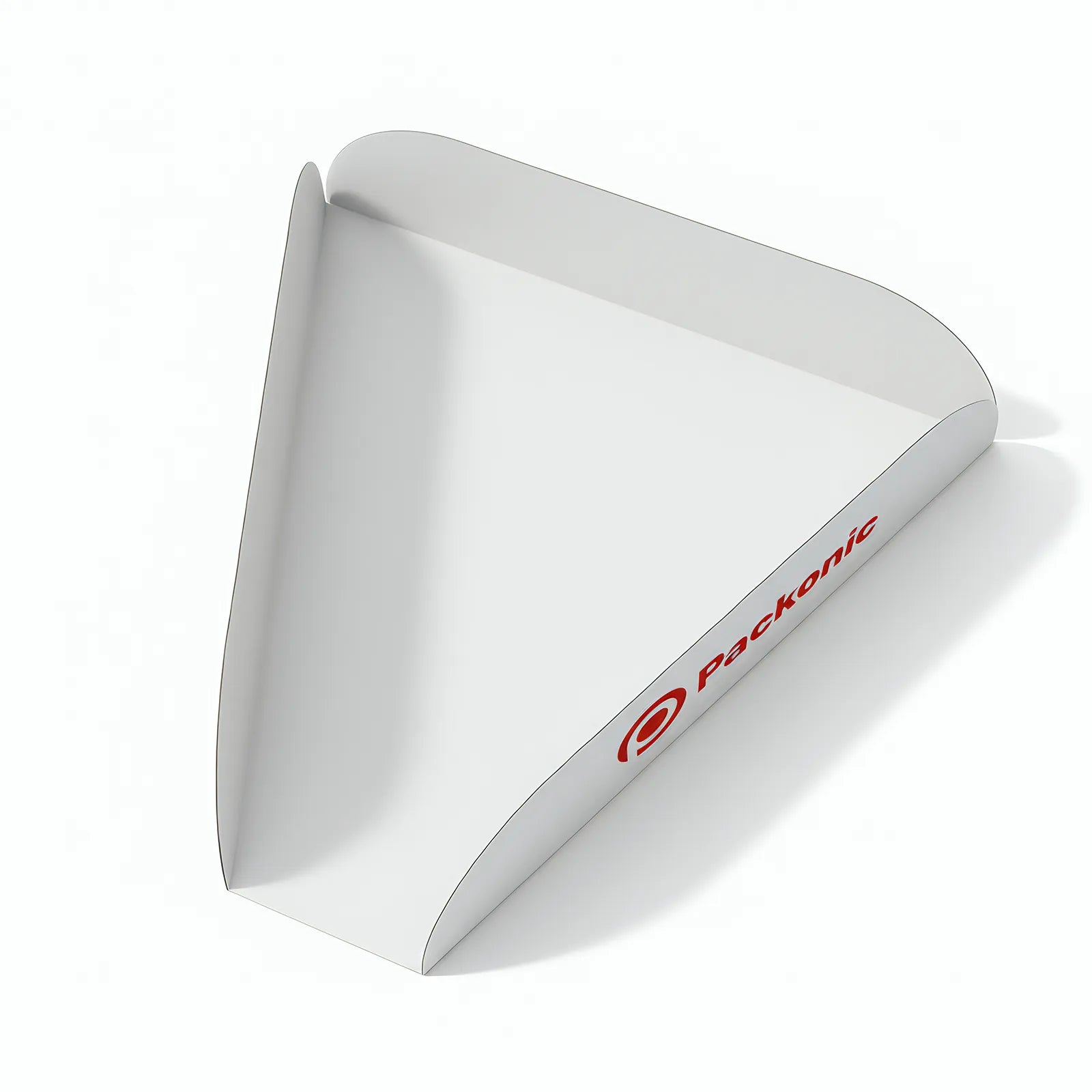
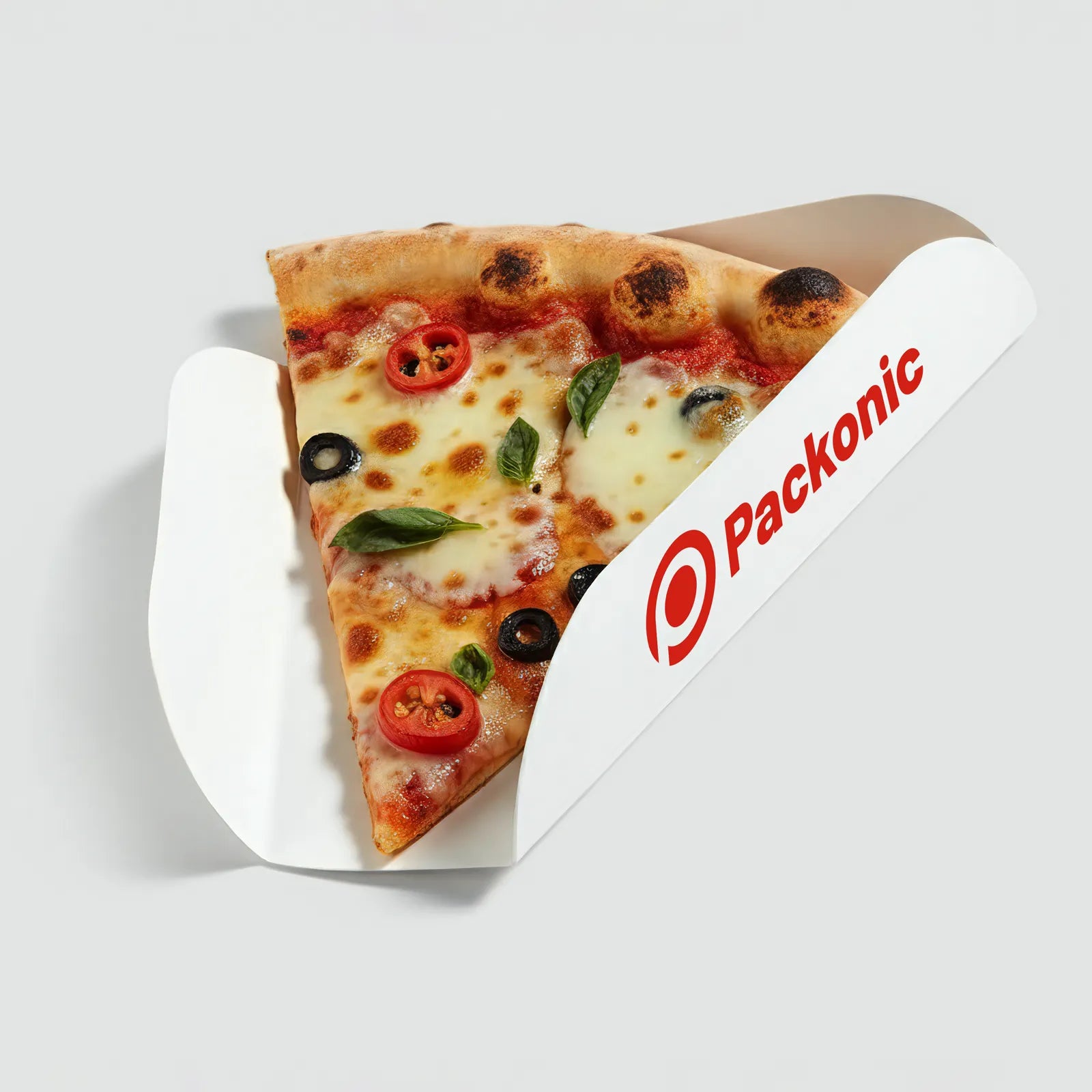
- Specialist meal types: use the dedicated burger, pizza, fries or dessert packaging where it better matches the product.
The box should follow the menu rather than forcing several very different foods into one generic package.
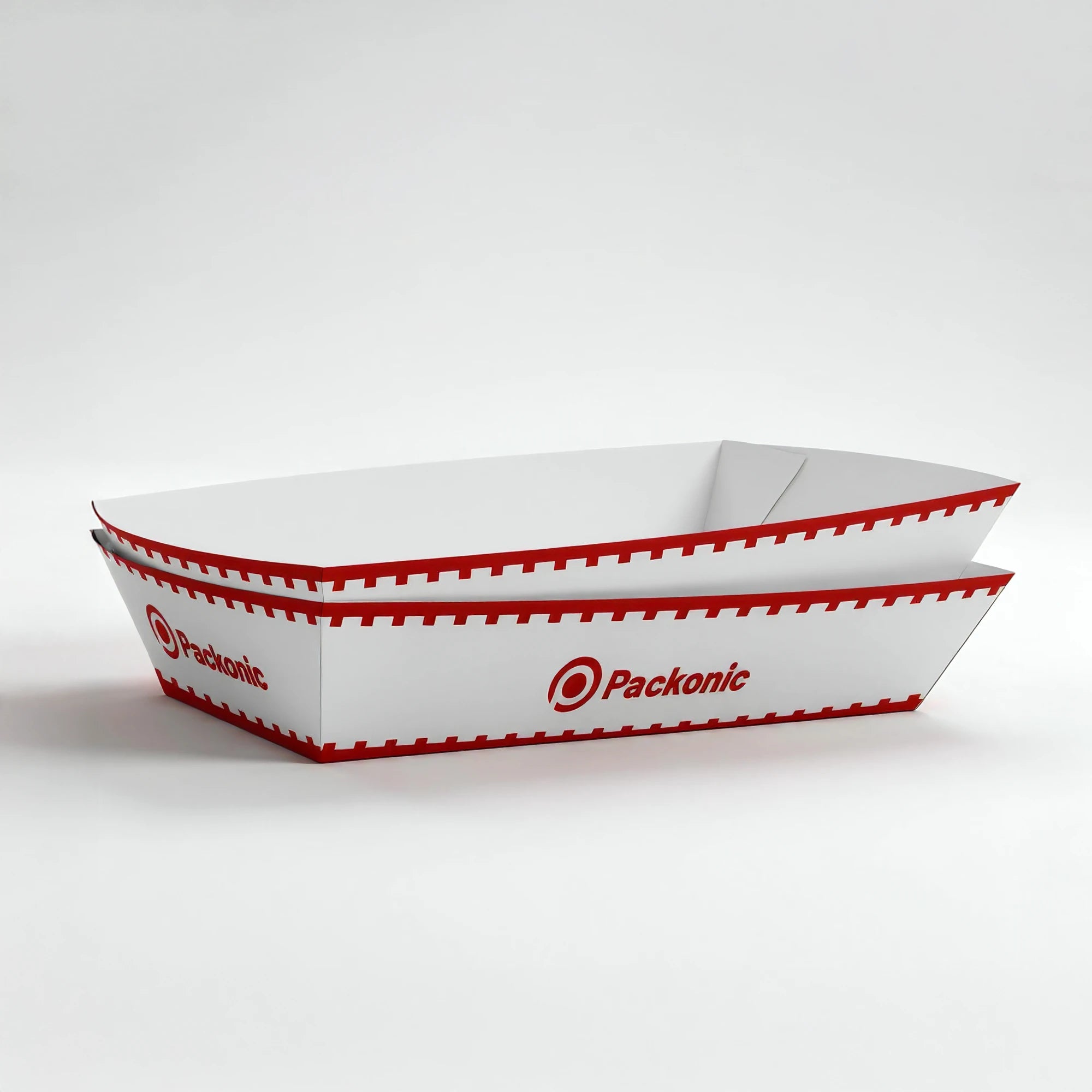
Food Boxes or Paper Food Trays?
A box and a tray create different types of food presentation.
Choose a Food Box When:
- the food requires an enclosed structure,
- takeaway or delivery is important,
- the package needs to close around the meal,
- or the customer will carry the meal away.
Choose a Paper Food Tray When:
- the food is served open,
- quick counter service is important,
- the meal is eaten immediately,
- or the food benefits from easier access while being served.
Packonic's live collection includes both food boxes and paper food trays, so businesses can select the structure that fits the actual service method rather than treating every meal as a box application.
Food Box or Greaseproof Paper?
Custom food boxes and greaseproof paper are complementary rather than interchangeable.
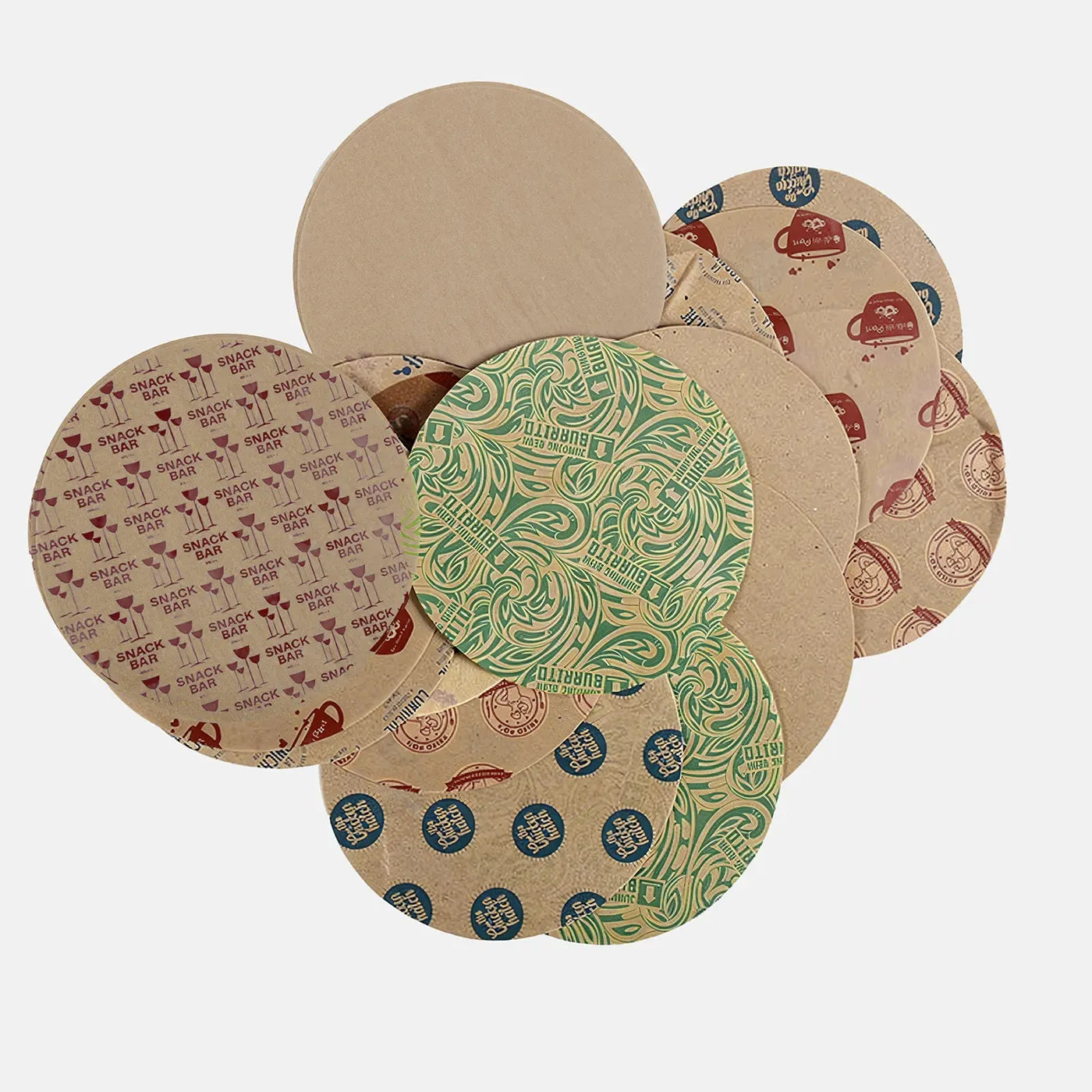
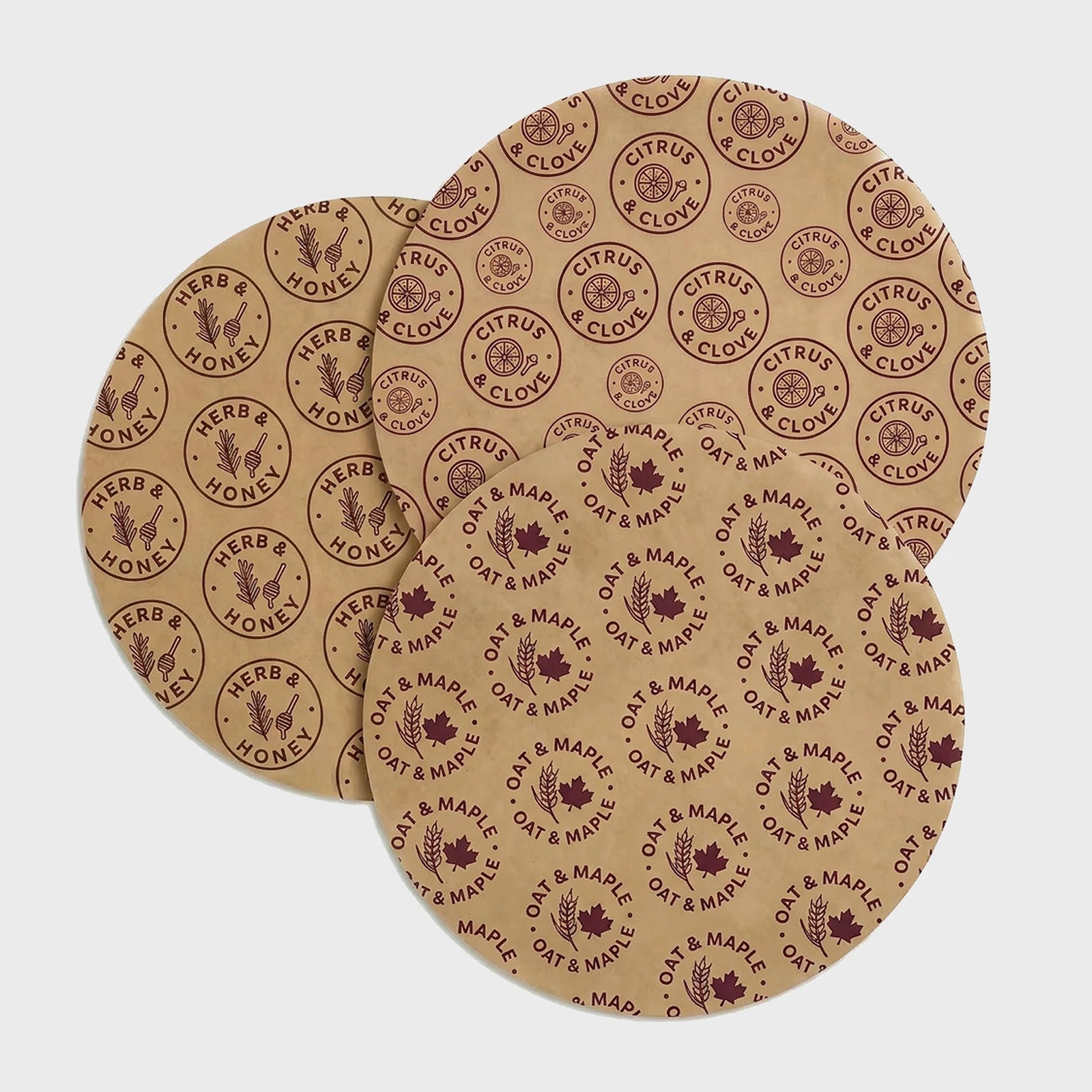
A food box provides structure. Custom Printed Greaseproof Paper provides a flexible wrapping or lining layer.
Restaurants may use greaseproof paper:
- inside the box,
- beneath the meal,
- around individual food items,
- or as an additional branded surface.
This allows the outer box and inner paper to perform different packaging roles.
Food Box or Paper Food Pouch?
A formed paper pouch and a rigid food box solve different service needs.
Choose a food box when structural protection and an enclosed container are required.
Choose a Custom Printed Paper Food Pouch when the food works better inside a lighter formed bag or pocket, such as selected sandwiches, fries or handheld foods.
Custom Food Boxes for Burger Meals
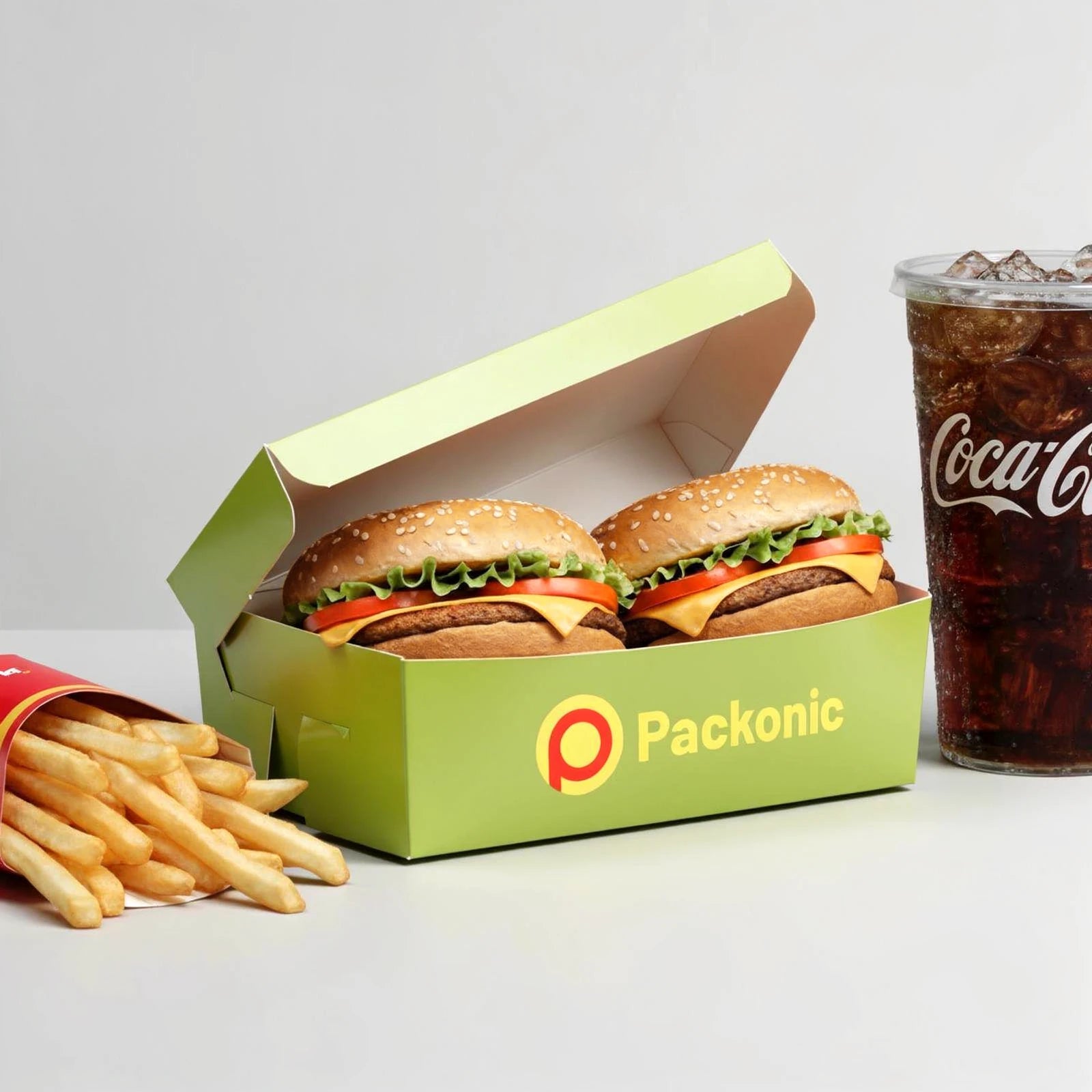
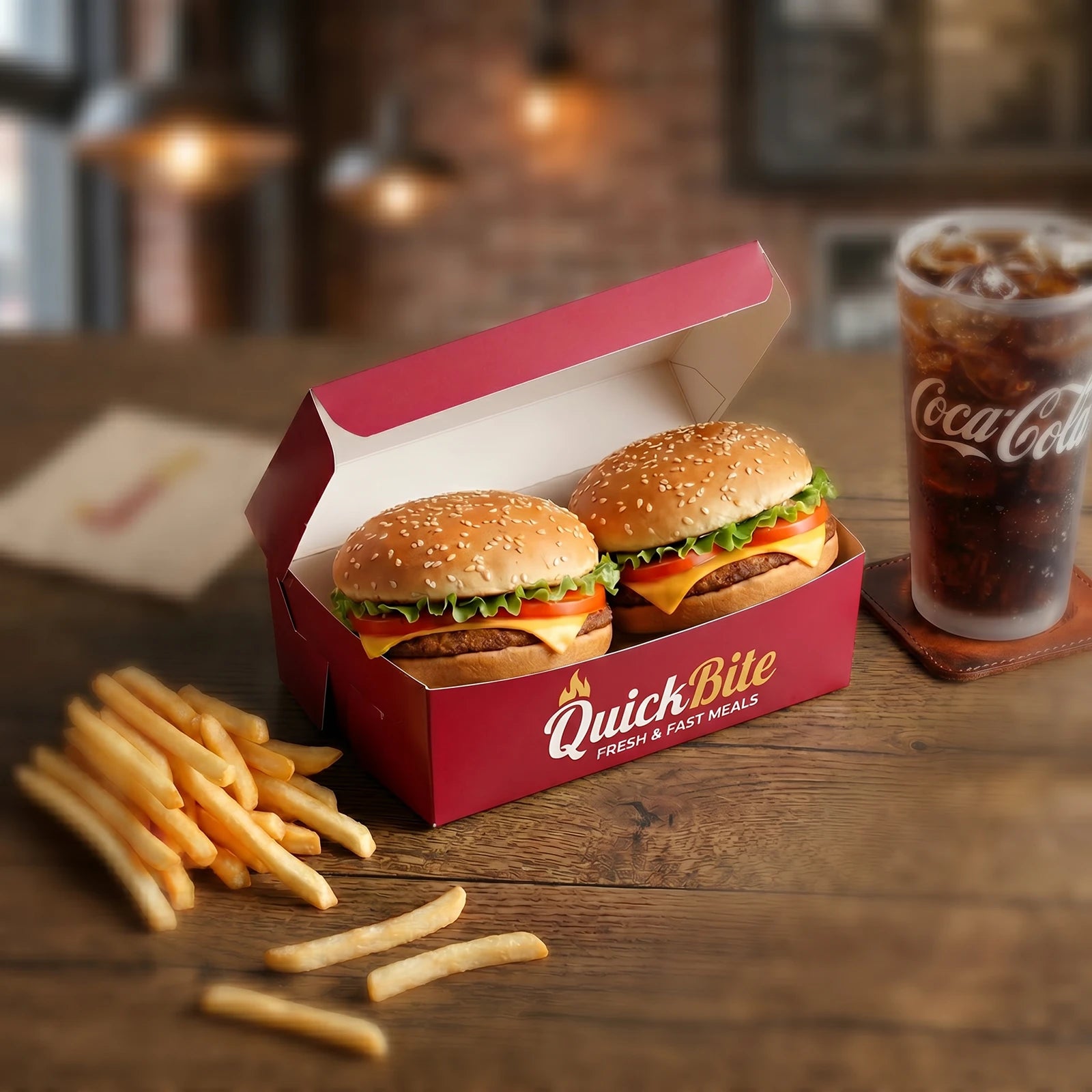
Food boxes can be used for burger-and-side meal combinations, but burger-focused businesses may benefit from specialist box formats designed around the burger itself.
For burger-specific packaging, explore Custom Printed Burger Boxes.
This Food Boxes category should remain the broader home for general takeaway meal boxes rather than competing with the specialist burger-box page for exact burger-box intent.
Custom Food Boxes for Bakeries & Desserts
Bakeries, cafés and dessert businesses may need boxes for pastries, desserts or other prepared food where presentation and enclosure are important.
The live range includes specialist dessert-box formats alongside general food boxes.
When choosing bakery or dessert packaging, consider:
- product height,
- whether the food should remain upright,
- portion size,
- the number of items per box,
- and whether the product needs a general food box or a more specialist dessert format.
Custom Takeaway Food Boxes for Delivery
Takeaway food boxes should be selected according to the entire journey from kitchen packing to customer opening.
For delivery-focused operations, consider:
- how quickly staff can assemble the box,
- how securely the meal fits inside,
- whether several boxes need to fit inside one carrier bag,
- how much movement occurs during delivery,
- and whether the packaging remains easy for the customer to open.
A box that works well for immediate counter service is not automatically the best choice for a longer delivery journey.
How Are Custom Food Boxes Printed?
Verified key Easy Assembly and Lock Bottom food boxes use Offset Printing.
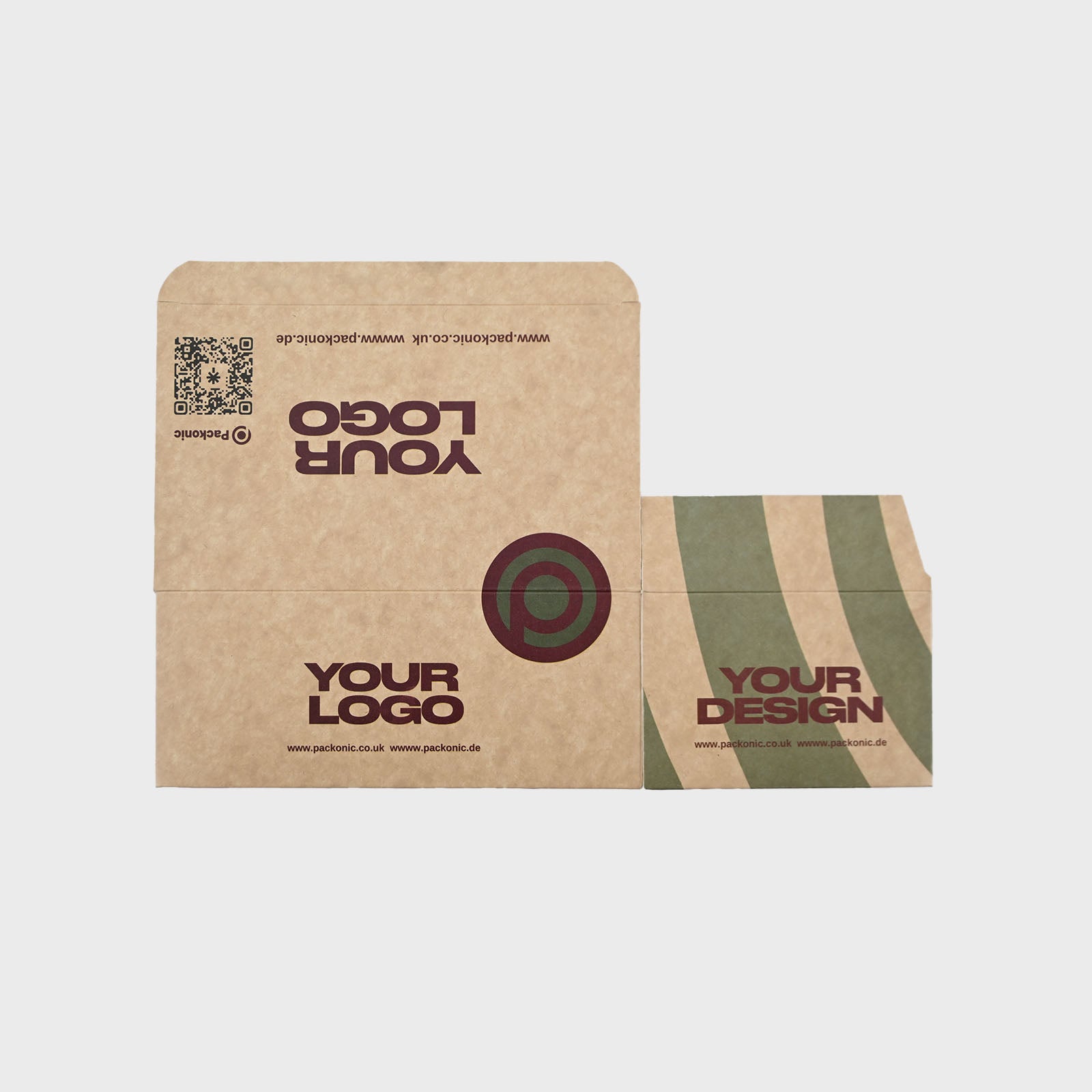
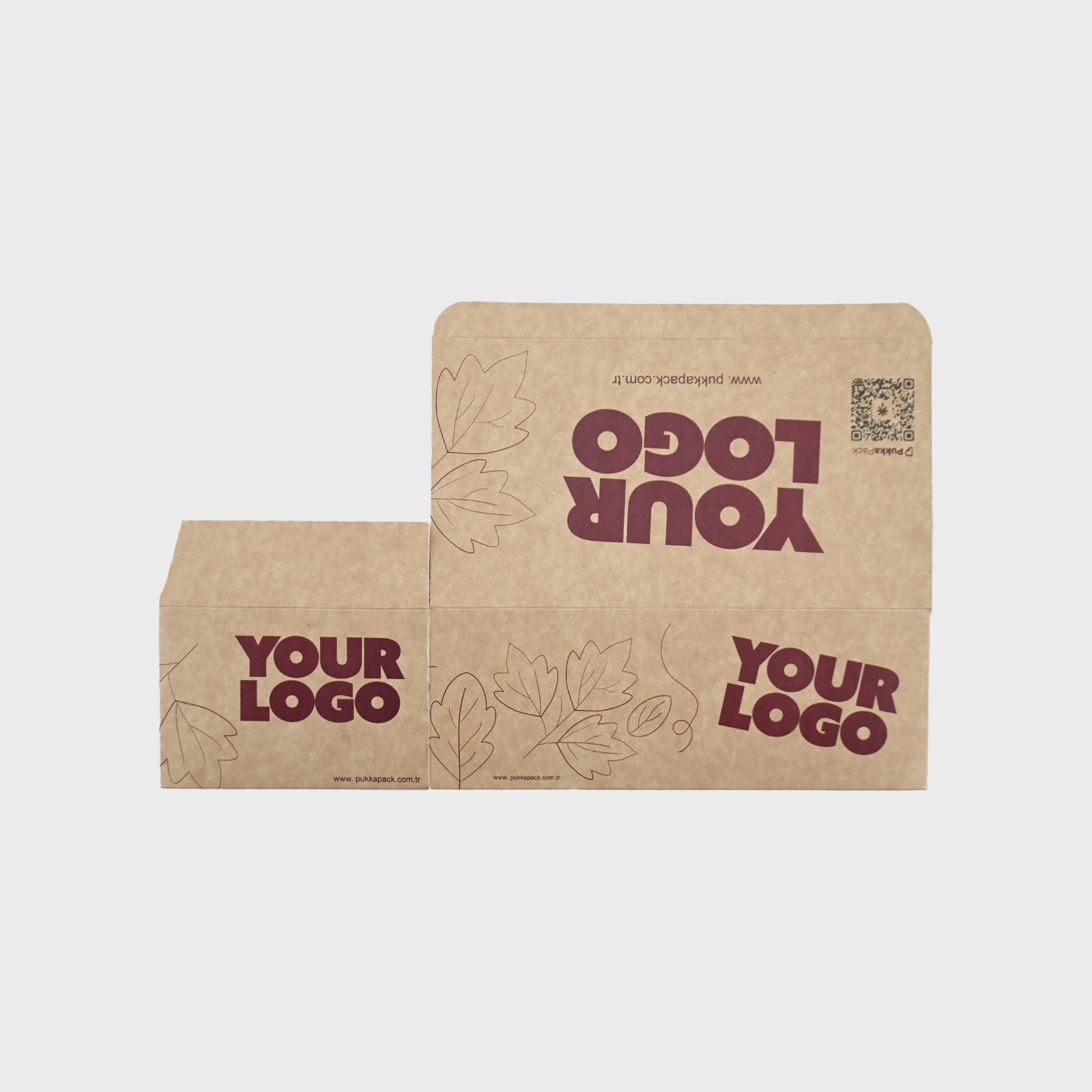
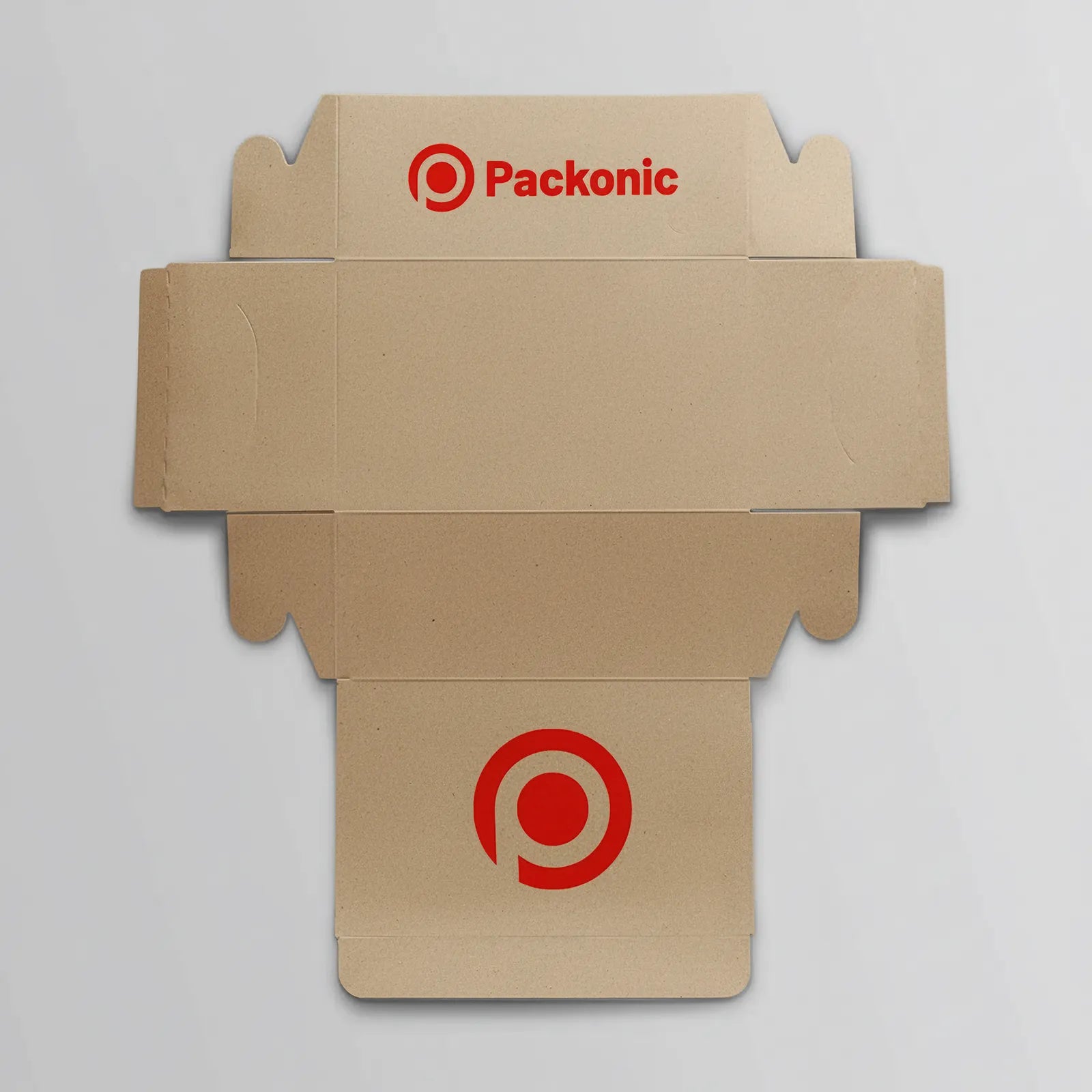
When preparing artwork, consider:
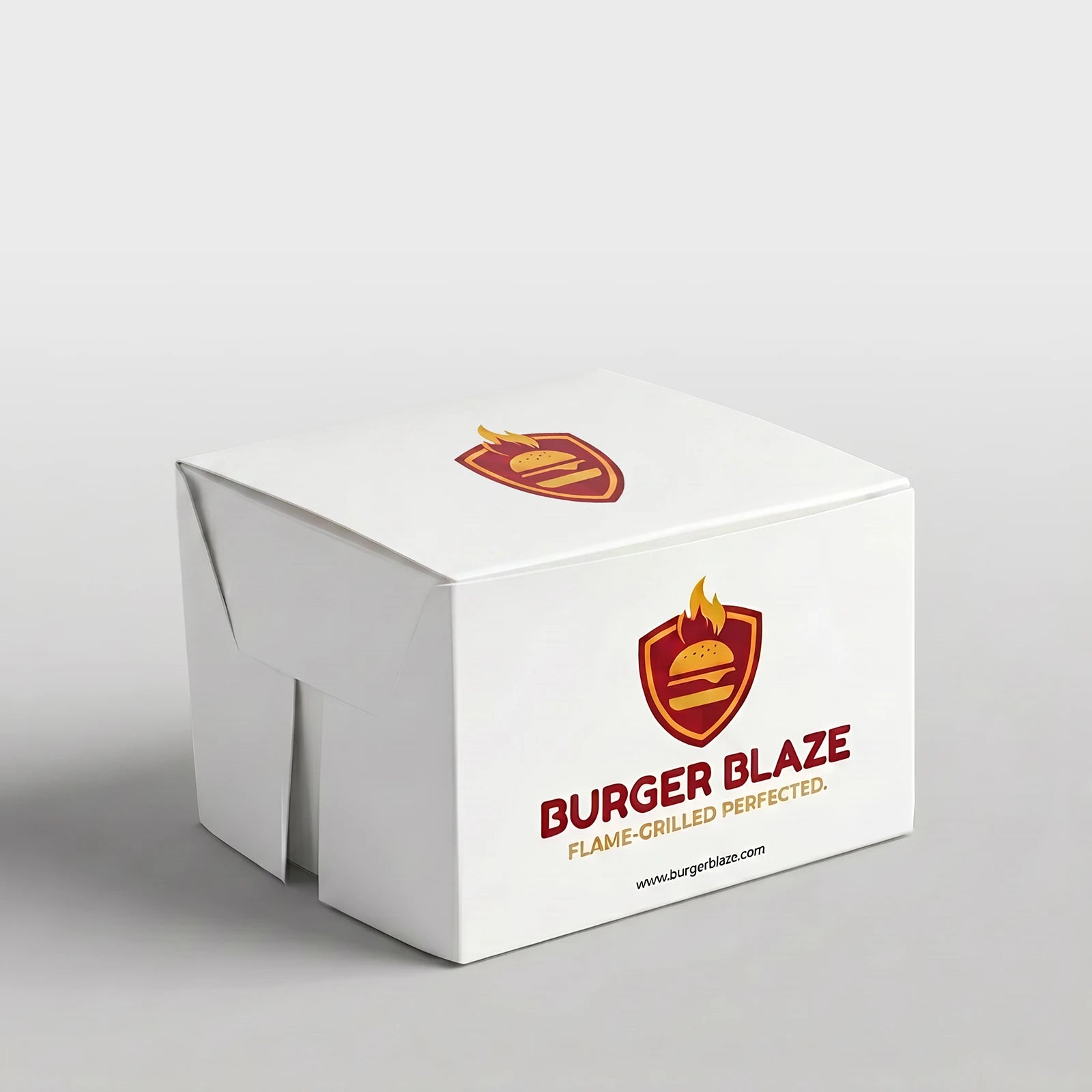
- where the logo appears when the box is closed,
- which panels remain visible during service,
- how the artwork looks on White versus Kraft paper,
- whether the design is still clear after folds are formed,
- and whether important information crosses a fold or closure area.
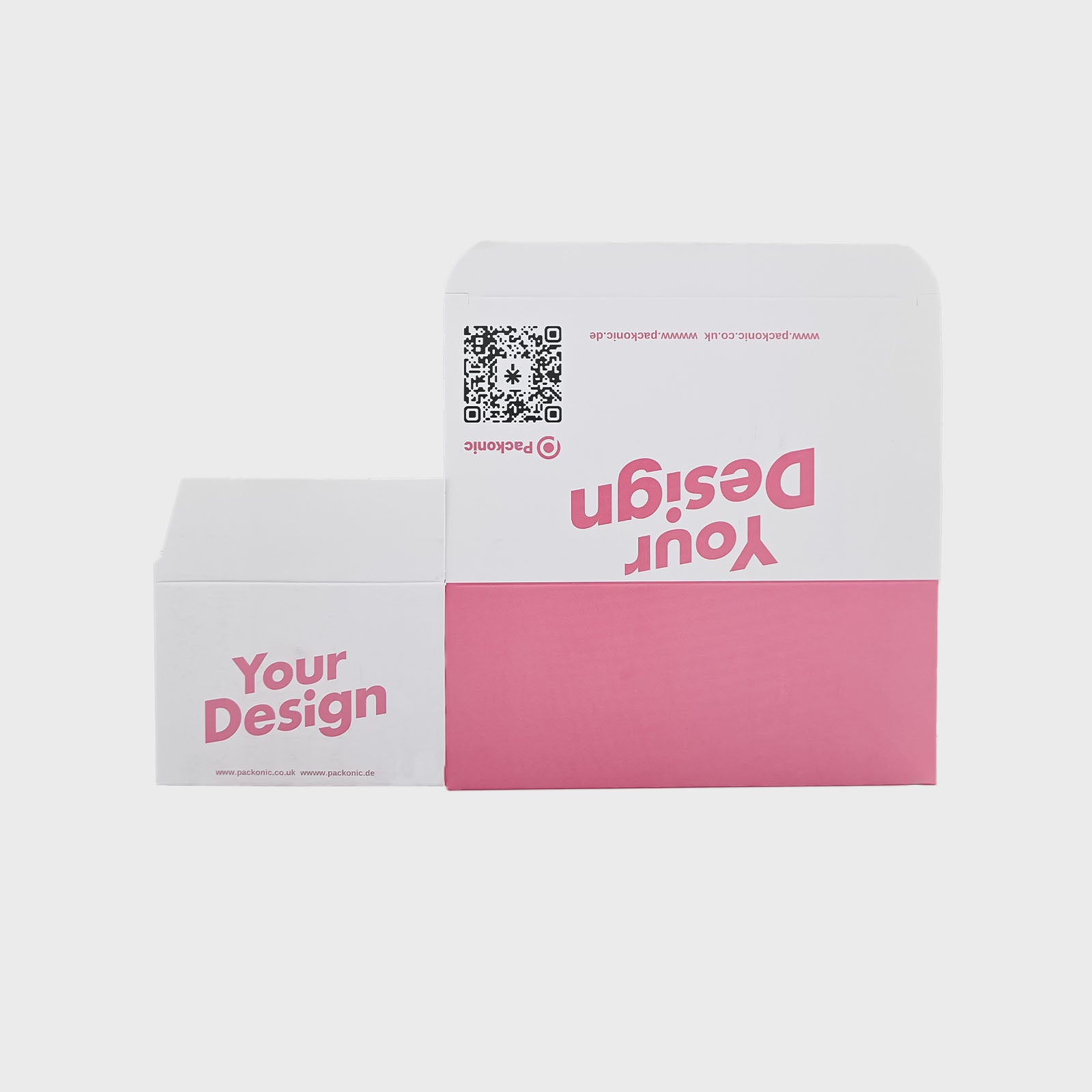
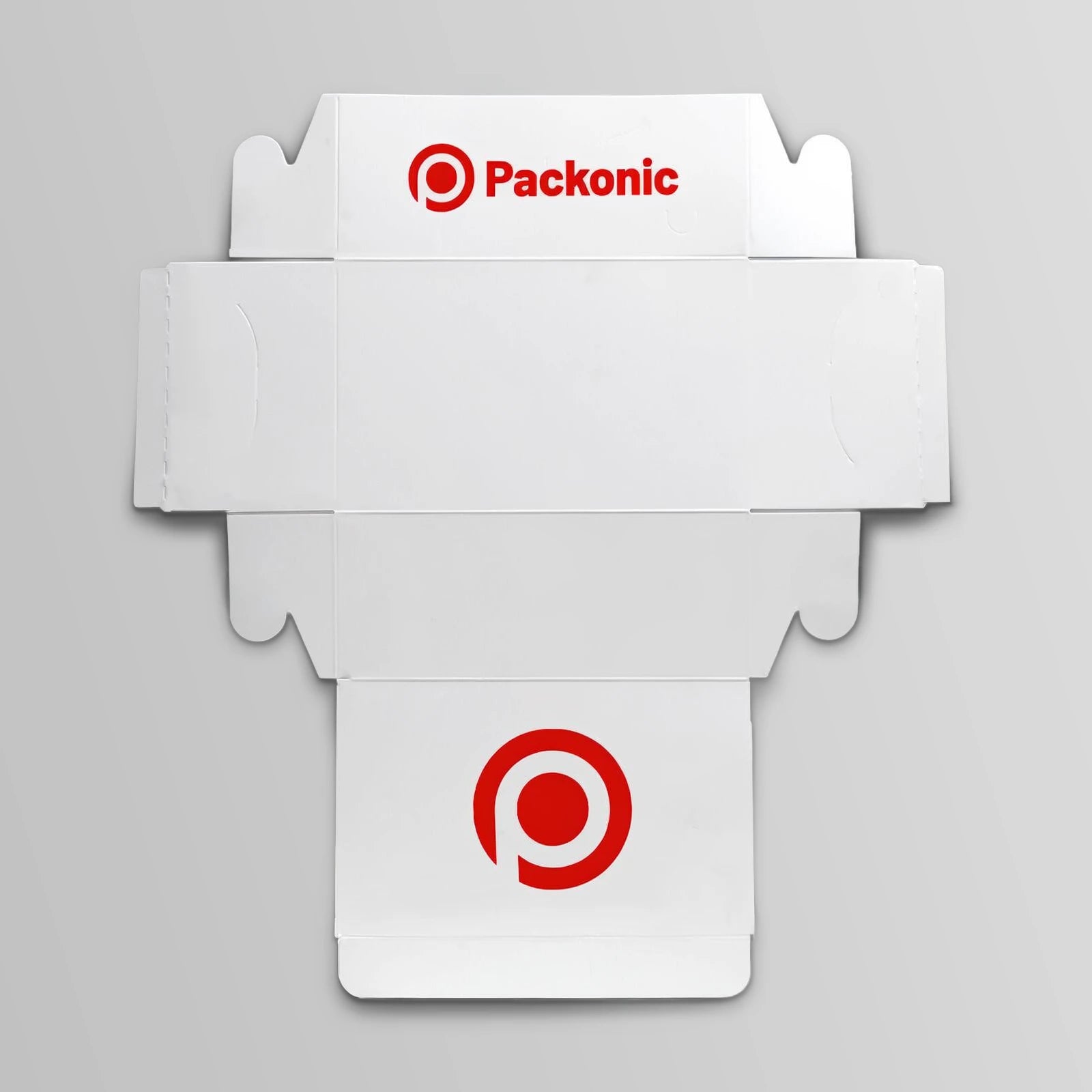
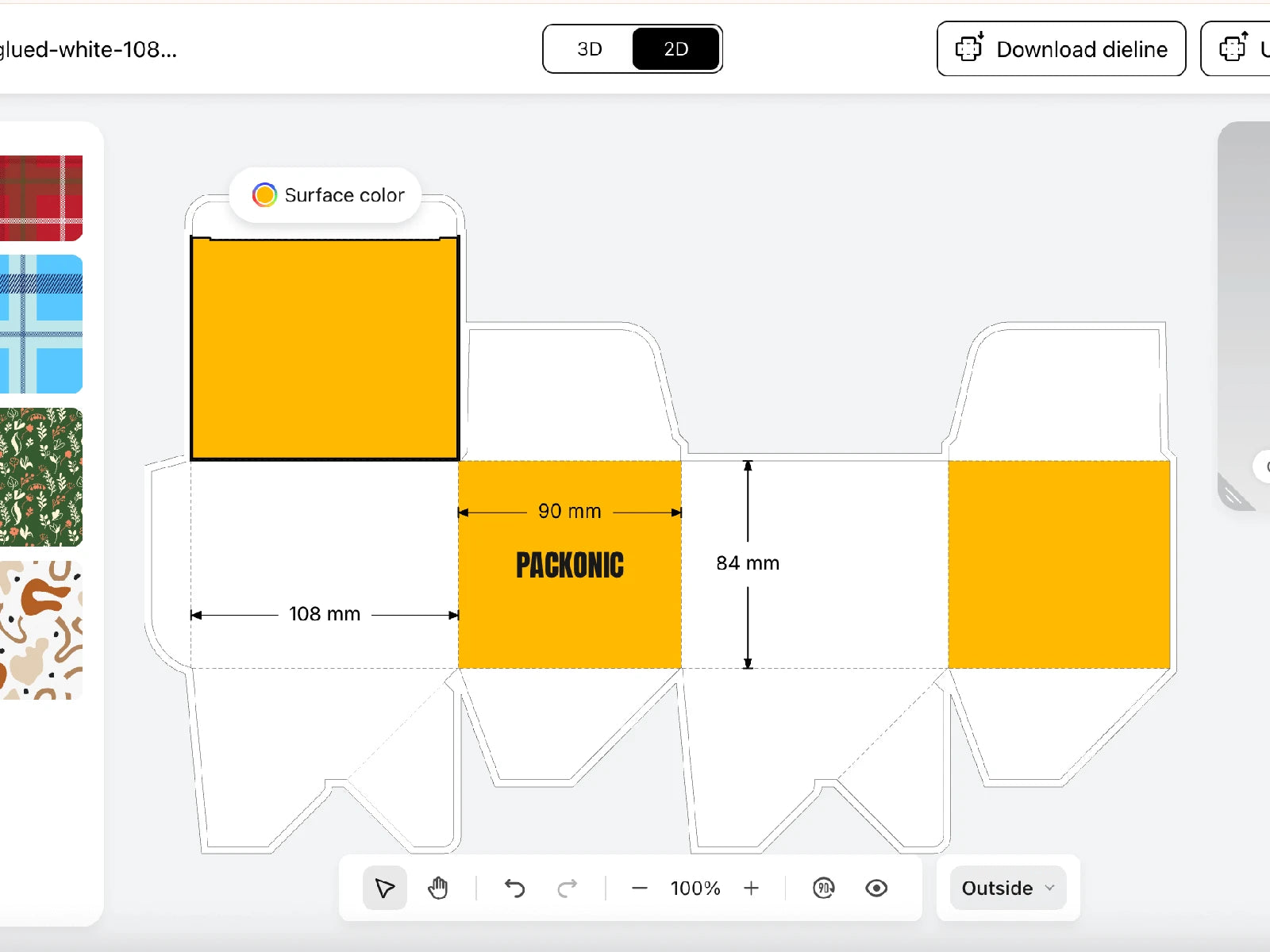
The dieline should be treated as a three-dimensional package rather than a flat poster.
How Should You Design a Food Box With a Logo?
A strong food box with logo does not need every panel filled with artwork.
A practical hierarchy is:
- Primary panel: main logo or brand name.
- Secondary panels: supporting pattern, colour or short brand message.
- Closure and fold areas: keep important details clear of areas likely to distort or disappear.
Simple repeat branding can be more effective than overcrowding every surface, particularly when several boxes are stacked together on a counter or inside a delivery order.
What Is the Minimum Order for Custom Food Boxes?
There is no single MOQ across the full Custom Food Boxes collection.
Verified core examples include:
- Easy Assembly White: from 500 pieces
- Easy Assembly Kraft: from 500 pieces
- Lock Bottom White: from 1,000 pieces
- Lock Bottom Kraft: from 1,000 pieces
The live collection also contains specialist formats with different starting quantities, including burger meal boxes, food trays, pizza packaging, fry boxes and premium options. The exact selected product should therefore remain the final MOQ reference.
Low MOQ or Wholesale Food Boxes?
The best quantity depends on how predictable the packaging demand is.
Lower Quantities Can Be Better When:
- a new restaurant is testing a box format,
- artwork may change soon,
- menu structure is still developing,
- storage space is limited,
- or the business wants to test White versus Kraft before scaling.
Bulk or Wholesale Quantities Can Be Better When:
- daily order volume is stable,
- the same box is used across several locations,
- the artwork will remain unchanged,
- the business has predictable seasonal demand,
- or stock can be stored efficiently.
Volume should follow real consumption rather than choosing a higher quantity only to reduce the theoretical unit price.
How Long Do Custom Food Boxes Take to Produce?
Lead times vary according to the selected box format.
Current live examples show:
- Selected Easy Assembly food boxes: approximately 14–21 business days standard and 5–10 business days express.
- Selected Lock Bottom food boxes: approximately 21–28 business days standard and 14–18 business days express.
Because specialist food-box formats use different production schedules, the exact product page should be checked before a restaurant opening, promotion or stock replenishment.
Custom Food Boxes for Businesses Across Europe
Businesses sourcing custom food boxes in Europe should compare the complete box specification rather than only the printed price per unit.
Important factors include:
- meal type,
- box dimensions,
- Easy Assembly or Lock Bottom construction,
- White or Kraft paper,
- 300 GSM specification on verified core products,
- Offset Printing,
- MOQ,
- assembly workflow,
- and product-specific lead time.
Packonic.eu provides multiple printed food-box formats for European restaurants, takeaways, bakeries and fast-food businesses comparing branded meal packaging options.
Build a Complete Branded Takeaway Packaging System
Food boxes work best when they have a defined role within the wider takeaway packaging system.
The broader Custom Food Packaging category helps businesses compare the main foodservice packaging families.
Custom Printed Greaseproof Paper can wrap or line suitable foods inside the box.
Custom Printed Paper Food Pouches provide a lighter formed format for suitable sandwiches, fries and handheld foods.
Custom Printed Napkins add a practical branded service item beside the meal.
Custom Printed Paper Bags provide the outer carrier for the complete takeaway order.
What Should You Check Before Ordering Custom Food Boxes?
Before ordering custom food boxes, define the food, structure and service method first.
- Food type: meal, burger, fries, bakery product, dessert or another prepared food.
- Box style: compare Easy Assembly and Lock Bottom formats.
- Dimensions: match the box to the actual finished portion.
- Depth: check whether the meal requires a shallow or deeper box.
- Paper: compare White Paper and Kraft Paper.
- GSM: verified core Easy Assembly and Lock Bottom products use 300 GSM.
- Printing: verified core products use Offset Printing.
- Artwork: design around the final folded and closed box.
- MOQ: selected Easy Assembly products start from 500 pieces; selected Lock Bottom products start from 1,000 pieces.
- Service: consider dine-in, takeaway and delivery requirements separately.
- Assembly: account for how quickly staff need to prepare boxes during busy periods.
- Delivery: check the exact product because lead times differ between box families.
- Related packaging: coordinate boxes with greaseproof paper, food pouches, napkins and outer paper bags.
Custom food boxes work best when box dimensions, assembly style, material, artwork and service method are selected together. By matching the box to the actual meal and restaurant workflow rather than treating every takeaway product as the same package, food businesses can create a more practical branded container that works from kitchen packing through to the customer's final meal experience.