

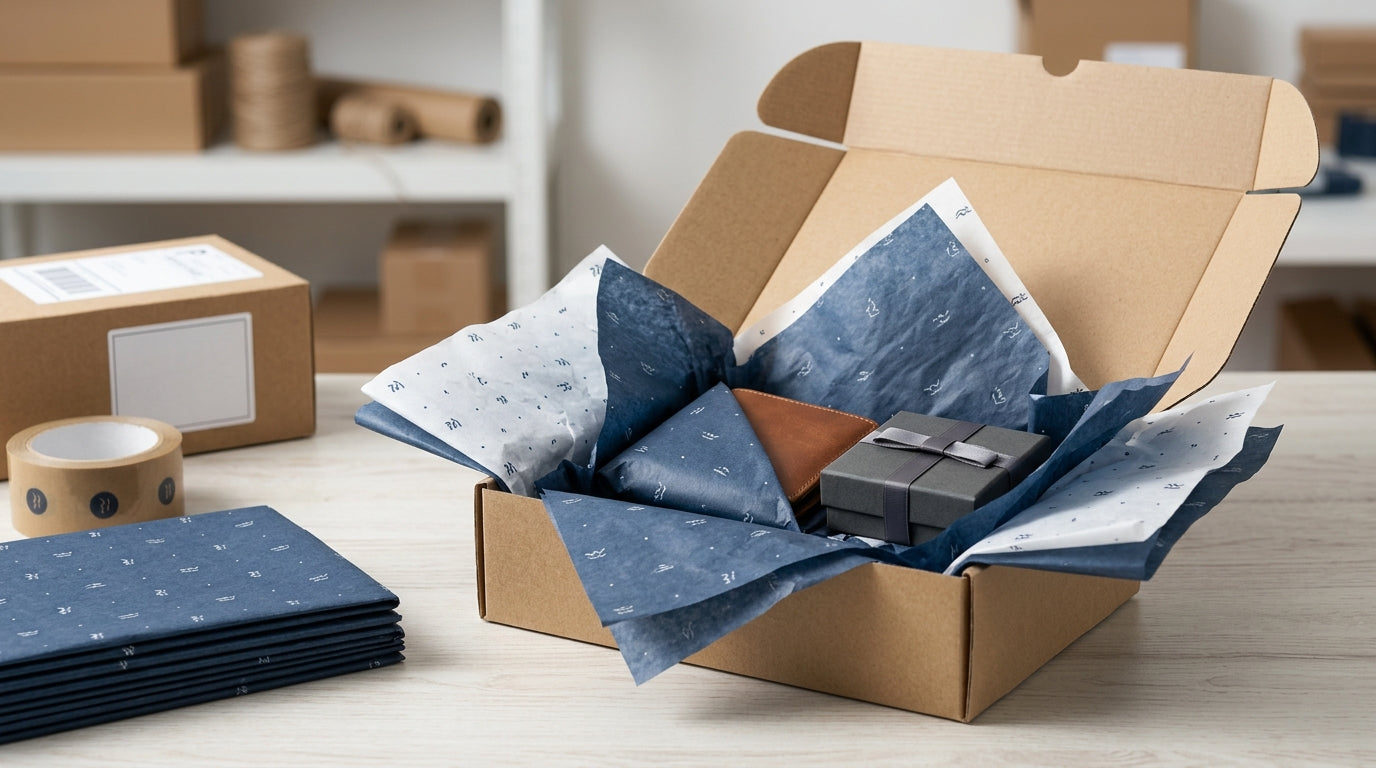
In the rapidly evolving landscape of 2026, where consumer expectations for the unboxing experience have reached an all-time high, the role of packaging materials has shifted from purely functional to deeply strategic. Among these materials, tissue paper stands out as one of the most versatile, cost-effective, and emotionally resonant tools available to brands today. Whether you are a boutique retail store in Manhattan, a nationwide direct-to-consumer (DTC) subscription service, or a luxury jeweler, the way you wrap your products speaks volumes about your brand's values and attention to detail.
Tissue paper is no longer just a thin layer of protection; it is a fundamental component of the "sensory branding" experience. When your customer receives a package, the visual appeal of crisp, folded tissue paper—and the tactile sound it makes as it is peeled back—creates a moment of anticipation and discovery. This transition from "shipping a product" to "delivering an experience" is what differentiates market leaders from their competitors in the modern US economy.
In this comprehensive guide, we will explore the multifaceted world of tissue paper. We will delve into the technical specifications that define high-quality materials, the psychological impact of branded tissue paper on customer loyalty, and the sustainability standards that American consumers now demand. As we look at the trends shaping 2026, you will learn how to leverage premium packaging tissue to elevate your perceived product value, protect your goods during transit, and create a cohesive brand identity that resonates with your target audience. From GSM (grams per square meter) selections to custom printing techniques, this guide provides the professional perspective you need to make informed packaging decisions that drive business growth.
Understanding the Fundamentals of Packaging Tissue Paper
At its core, tissue paper is a lightweight, thin paper produced from wood pulp or recycled paper fibers. However, in the context of professional packaging, it is much more than a simple commodity. It serves as an internal cushion, a protective barrier against scratches, and a canvas for brand expression. In the United States, the quality of tissue paper is often the first indicator a customer has regarding the premium nature of the item inside.
The manufacturing process involves a method called "creping," which gives the paper its characteristic softness and flexibility. Depending on the intended use, manufacturers can adjust the thickness, texture, and finish of the paper. For high-end brands, the focus is often on achieving a "crisp" hand-feel—a characteristic that suggests freshness and high-quality production. When you choose a high-grade wrapping tissue paper, you are choosing a material that maintains its structural integrity even when folded or scrunched into voids within a box.
In the retail and e-commerce sectors, tissue paper acts as the final layer of defense. While the outer shipping box handles the rigors of the logistics chain, the tissue paper ensures that delicate surfaces—such as leather, polished metal, or fine fabrics—remain pristine. By preventing "box rub" (the friction between the product and the outer packaging), it reduces return rates and increases initial customer satisfaction.
The Strategic Importance of Branded Tissue Paper in 2026
By 2026, the digital marketplace has become so saturated that physical touchpoints are more valuable than ever. Branded tissue paper has emerged as a primary vehicle for physical storytelling. When you invest in custom tissue paper featuring your logo, signature patterns, or brand colors, you are extending the digital brand experience into the customer's home.
Data from recent consumer behavior studies suggests that 75% of US shoppers are more likely to share an image of their purchase on social media if the packaging is aesthetically pleasing. Branded tissue paper is the "Instagrammable" layer of your package. It transforms a standard brown box into a curated gift. This organic marketing reach is invaluable for modern DTC brands looking to lower their customer acquisition costs.
Furthermore, custom tissue paper provides a sense of security and authenticity. In an era where counterfeit goods and "gray market" resellers are prevalent, receiving a product wrapped in high-quality, branded tissue paper assures the customer that they have received a genuine item directly from the source. It signals that the brand cares about the product's journey from the warehouse to the doorstep, fostering a deeper sense of trust.
Types of Tissue Paper for Retail and E-commerce
Not all tissue paper is created equal. Depending on your brand's aesthetic and the nature of your products, you may require different variations. Understanding these types is crucial for choosing the right "packaging inserts" for your needs.
1. Acid-Free Tissue Paper
This is the gold standard for archival quality. Acid-free tissue is processed specifically to remove the lignin and acids that can cause yellowing or deterioration over time. If you are selling high-end apparel, bridal wear, or jewelry, acid-free options are non-negotiable. They ensure that your products remain in perfect condition, even if they stay in the packaging for months.
2. MG (Machine Glazed) vs. MF (Machine Finished)
- MG Tissue: This paper is glazed on one side, resulting in a shiny, smooth finish on one side and a matte finish on the other. It is popular for its high-end look and vivid color reproduction.
- MF Tissue: This has a matte finish on both sides. It is softer and more "fabric-like" to the touch, often preferred by luxury clothing brands that want a more natural, organic feel.
3. Waxed Tissue Paper
Commonly used in the food and floral industries, waxed tissue provides a moisture barrier. While less common in general e-commerce, it is essential for brands shipping artisanal soaps, candles, or botanical products where oil or moisture transfer could ruin standard paper.
4. Colored and Metallic Tissue
For seasonal promotions or bold brand identities, colored tissue paper offers an immediate visual impact. Metallic finishes (gold, silver, copper) are frequently used by jewelry and luxury watch brands to signify opulence and celebration.
| Tissue Type | Primary Characteristic | Best For |
|---|---|---|
| Acid-Free | pH Neutral / Non-reactive | Jewelry, Fine Fabrics, Antiques |
| Machine Glazed (MG) | Shiny finish on one side | Premium Retail, High-end Cosmetics |
| Machine Finished (MF) | Soft, matte texture | Eco-conscious brands, Apparel |
| Custom Printed | Branded logos/patterns | Subscription boxes, DTC Brands |
| Metallic/Glitter | High reflectivity | Holiday packaging, Luxury gifts |
Technical Specifications: GSM and Finish
When you are sourcing tissue paper, the term "GSM" will appear frequently. It stands for Grams per Square Meter and refers to the weight and density of the paper. Choosing the right GSM is a balance between transparency, durability, and cost.
Common GSM Ranges:
- 10-12 GSM: Extremely thin and sheer. Used primarily for delicate layering or as a decorative "poof" in gift bags.
- 14-17 GSM: The industry standard for high-quality packaging tissue paper. It offers a good balance of opacity and strength, providing a satisfying "crinkle" sound.
- 20-30 GSM: Heavier and more opaque. This is often used for wrapping heavier items or when the brand wants the paper to feel more like a substantial "wrap" than a thin tissue.
The finish of the paper also dictates how it interacts with light and touch. In 2026, we see a trend toward "velvet-touch" finishes and highly textured surfaces that mimic the feel of premium stationary. When you work with a supplier like Packonic, you have the opportunity to specify these nuances, ensuring that the physical sensation of the paper aligns with your brand's positioning.
The Role of Tissue Paper in Product Protection
While aesthetics are vital, we must not overlook the functional role of tissue paper as a protective barrier. In the logistics-heavy US market, products undergo significant stress during shipping. Tissue paper provides several layers of defense:
- Anti-Scratch Barrier: For products with finished surfaces—such as electronics, polished wood, or plastics—standard cardboard can be surprisingly abrasive. A layer of premium packaging tissue prevents micro-scratches caused by vibration during transit.
- Void Fill: Crumpled tissue paper is an elegant alternative to plastic air pillows or foam peanuts. It prevents products from shifting within the box, reducing the risk of impact damage.
- Moisture Absorption: While not a waterproof barrier, high-quality tissue paper can help manage minor humidity fluctuations within a package, preventing "sweating" in plastic-wrapped items.
- Dust Prevention: For products stored in warehouses before shipment, tissue paper keeps dust and debris away from the item's surface, ensuring it arrives looking brand new.
Elevating Perceived Value Through Premium Packaging
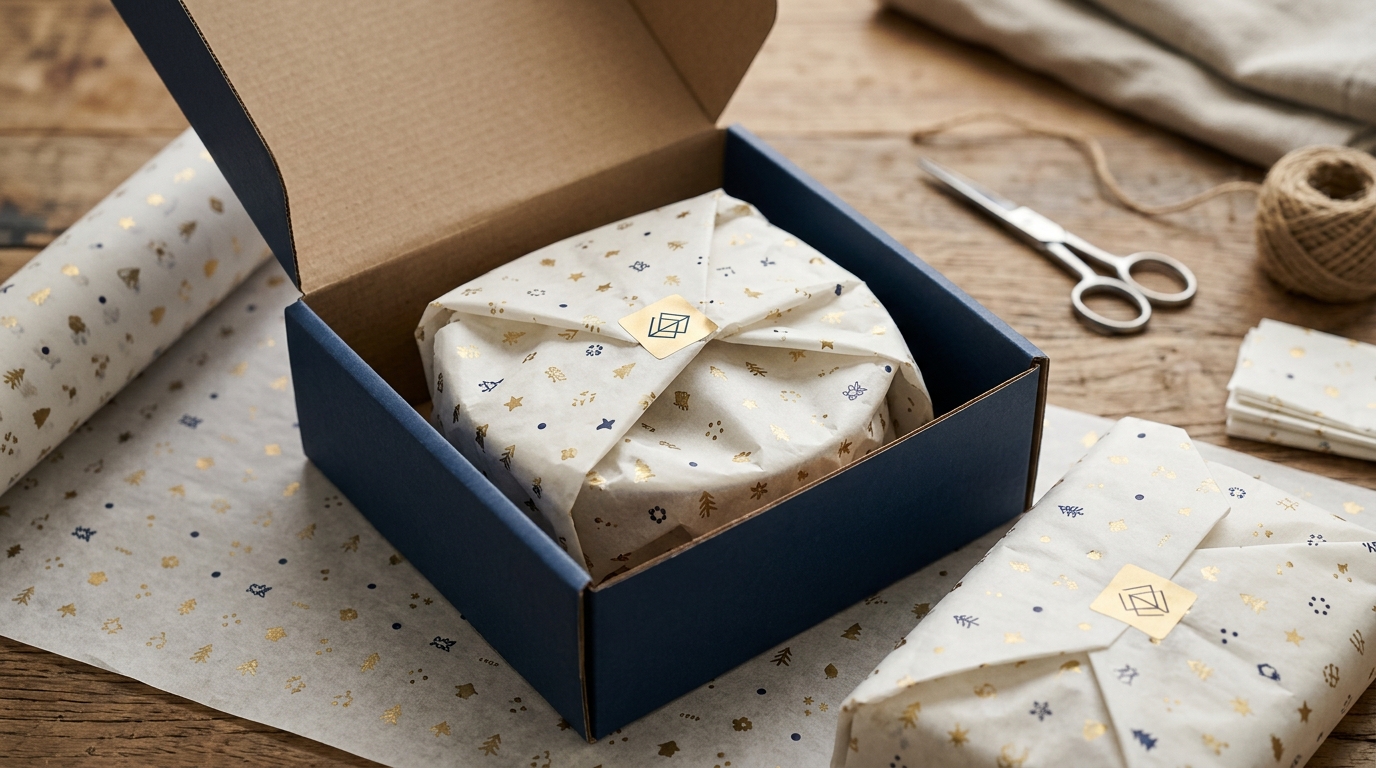
The "Perceived Value" of a product is often dictated by its presentation. Imagine two identical silk scarves. One is tossed into a plastic mailer bag. The other is neatly folded, wrapped in crisp, branded tissue paper, and secured with a gold foil sticker. Even if the product is exactly the same, the customer will value the second item more highly.
This psychological phenomenon is known as the "Endowment Effect." When a customer feels that an item has been handled with care and respect, they form a stronger emotional bond with it. Premium packaging tissue signals that the contents are precious. For luxury brands, this is a core requirement; for mid-market brands, it is a way to "punch above their weight class" and compete with higher-end retailers.
We recommend that you view tissue paper as an investment in customer retention. The cost per sheet is negligible compared to the increased Lifetime Value (LTV) of a customer who feels they have received a high-value experience.
Sustainable and Recyclable Packaging: The 2026 Standard

In 2026, sustainability is no longer a "nice-to-have" feature; it is a regulatory and consumer-driven requirement in the United States. Modern shoppers are highly attuned to the environmental impact of their purchases, and packaging is the most visible sign of a brand's commitment to the planet.
Fortunately, tissue paper is inherently one of the most eco-friendly packaging options available, provided it is sourced correctly. Most premium tissue paper is biodegradable and recyclable. However, brands must be careful with specific finishes. For example, tissue paper heavily coated in plastic glitters or non-biodegradable metallic foils may not be recyclable in standard curbside bins.
Key Sustainability Markers:
- FSC Certification: Look for paper sourced from Forest Stewardship Council-certified forests. This ensures that the wood pulp comes from responsibly managed forests that provide environmental, social, and economic benefits.
- Soy-Based Inks: When ordering printed tissue paper, ensure the supplier uses soy or water-based inks. These are much safer for the environment than traditional petroleum-based inks and do not interfere with the recycling process.
- Recycled Content: Many brands now opt for tissue paper made from 100% post-consumer waste. While this may result in a slightly more "natural" or "speckled" look, it aligns perfectly with eco-conscious brand identities.
By choosing sustainable options, you are not only helping the environment but also protecting your brand from "greenwashing" accusations. Transparency in your packaging choices builds long-term loyalty with Gen Z and Millennial consumers who prioritize ethics.
Designing the Perfect Custom Tissue Paper
If you decide to move beyond standard white or colored tissue, the design process for custom tissue paper requires careful thought. In 2026, design trends have moved toward "minimalist luxury" and "maximalist storytelling."
Design Tips for Brands:
- Pattern Overload: Instead of one large logo in the center, consider a repeating "step-and-repeat" pattern. This ensures that no matter how the paper is folded or cut, your brand is visible.
- Negative Space: Don't be afraid of white space. A single, elegantly placed logo on a high-quality sheet can often look more expensive than a busy design.
- Color Matching: Ensure your supplier can provide precise Pantone matching. Your brand's signature blue must look the same on your tissue paper as it does on your website.
- Dual-Sided Messaging: Some premium brands are now printing subtle messages or QR codes on the edge of the tissue paper, leading customers to exclusive digital content or "how-to" videos.
Working with a professional provider like Packonic allows you to test these designs. Their expertise in high-fidelity printing ensures that even fine lines and intricate patterns remain sharp on the delicate surface of the tissue.
Tissue Paper Selection Guide for Different Business Models
The "right" tissue paper depends entirely on what you sell and how you sell it. Here is how different sectors should approach their selection:
1. Luxury Fashion & Apparel
Focus on MF (Machine Finished) tissue for a soft, textile-like feel. Use acid-free sheets to protect delicate fibers. Light grays, creams, or custom patterns in muted tones work best.
2. Cosmetics & Beauty
Focus on MG (Machine Glazed) tissue for a high-shine, clinical, and clean look. Bright, vibrant colors or metallic accents reflect the "glamour" of the industry.
3. Subscription Box Services
Durability is key here. Since subscription boxes often contain multiple items, use a slightly higher GSM (17-20) to ensure the tissue doesn't tear when tucked around various shapes. Branded tissue paper is essential for the "unboxing reveal."
4. Artisanal & Handmade Goods
A more "raw" or recycled look often suits these brands. Kraft-colored tissue paper or sheets with visible fiber textures emphasize the "handcrafted" nature of the products.
5. Jewelry & Small Accessories
Small, pre-cut sheets are most efficient here. High-opacity tissue prevents the customer from seeing the item through the paper, maintaining the surprise until the final moment.
| Industry | Recommended Tissue Type | Design Preference |
|---|---|---|
| High Fashion | Acid-free, Matte (MF) | Minimalist Logo |
| E-commerce Tech | Anti-static, High GSM | Bold, Modern Patterns |
| Artisanal/Eco | Recycled Kraft Tissue | Natural, Earthy Tones |
| Gifts/Floral | Waxed or Moisture-Resistant | Vibrant Colors |
Common Mistakes to Avoid When Choosing Tissue Paper
Even experienced brand managers can make mistakes when sourcing packaging materials. Avoid these pitfalls to ensure your packaging remains premium and functional:
- Ignoring the GSM: Choosing a tissue that is too thin (under 10 GSM) for a heavy product will result in the paper tearing before the customer even opens the box. This looks messy and unprofessional.
- Using the Wrong Ink: If you choose a low-quality printer for custom tissue paper, the ink can sometimes "bleed" onto the product, especially if it gets damp or is under pressure. Always specify non-bleeding, high-quality inks.
- Over-ordering Without Testing: Before committing to 50,000 sheets, always request samples. See how the paper feels, how it folds, and how the colors look under different lighting.
- Neglecting the "Fold": Consider how your staff or fulfillment center will use the paper. If the design requires a specific fold to look good, it might slow down your packing process.
- Forgetting the Sticker: Tissue paper rarely stays closed on its own. Forgetting to order matching stickers or seals can make the final package look "unfinished."
The Logistics of Tissue Paper: Ordering and Storage
In the US market, supply chain efficiency is vital. When you order tissue paper, consider the logistics of where it will be stored and how it will be handled.
- Sheet vs. Roll: Most retail brands prefer pre-cut sheets for speed and consistency. However, high-volume shipping centers might prefer rolls for custom-sizing.
- Bulk Ordering: Tissue paper is lightweight but can be bulky in large quantities. Ensure your warehouse has "cool, dry" storage space. Humidity is the enemy of tissue paper, as it can cause the sheets to stick together or lose their "crispness."
- Lead Times: For custom-printed tissue paper, lead times in 2026 generally range from 2 to 6 weeks. Plan your seasonal launches (like Black Friday or the Holiday season) well in advance to ensure you don't run out of branded materials.
Choosing a reliable US-based partner like Packonic can mitigate these logistical risks. Their understanding of the domestic shipping landscape and commitment to quality control means you receive your materials when you need them, without the inconsistencies often found in overseas sourcing.
Comparison: Standard vs. Premium Packaging Tissue
Understanding the difference between "off-the-shelf" tissue and premium options is essential for brand positioning.
| Feature | Standard Tissue Paper | Premium Packaging Tissue |
|---|---|---|
| Texture | Rough or "dusty" feel | Smooth, crisp, or silky |
| Strength | Tears easily under tension | High tensile strength; resists tearing |
| Opacity | Often translucent/see-through | High opacity; hides the product |
| Color Consistency | Varies between batches | Precise Pantone color matching |
| Sustainability | Often unknown origins | FSC-certified and recyclable |
| Customization | Not available | Fully customizable print/size |
Why Packonic is the Choice for US Brands in 2026

When it comes to sourcing premium packaging inserts, Packonic has established itself as a leader in the US market. They understand that for a modern business, packaging is a marketing expense that must deliver a return on investment.
By offering a wide range of GSM options, finishes, and industry-leading printing technology, Packonic enables brands to create packaging that is truly unique. Their focus on sustainability ensures that your brand meets 2026 environmental standards without sacrificing aesthetic appeal. Whether you are looking for luxury packaging tissue for a boutique launch or high-volume branded tissue paper for a national rollout, their expert team provides the technical guidance and quality assurance necessary to elevate your brand.
Expert Tips for Using Tissue Paper Effectively
To maximize the impact of your tissue paper, consider these professional techniques:
- The "Accordion" Fold: Instead of just wrapping the item, fold the tissue paper like an accordion before placing it in the box. This creates volume and a "cushion" effect that looks incredibly high-end.
- Layering Colors: Use two different colors of tissue paper together—perhaps a branded pattern on top of a solid brand color. This adds depth and luxury to the unboxing experience.
- Scented Tissue: Some ultra-luxury brands are now lightly scenting their tissue paper with a signature fragrance. This engages the sense of smell, creating an even more memorable brand experience.
- The "Sticker Seal": Always use a branded sticker or a wax seal to close the tissue paper. This acts as a "seal of quality" and forces the customer to physically "break" into the package, increasing the psychological reward.
Checklist for Choosing the Right Tissue Paper
Before placing your next order, use this checklist to ensure you’ve covered all the bases:
- [ ] Purpose: Is the paper for protection, decoration, or both?
- [ ] GSM: Is the weight appropriate for the product's weight and fragility?
- [ ] Sustainability: Is it FSC-certified or made from recycled materials?
- [ ] Acid-Free: Does the product require pH-neutral paper to prevent damage?
- [ ] Branding: Does the color or print align perfectly with your 2026 brand guidelines?
- [ ] Quantity: Have you accounted for seasonal spikes in order volume?
- [ ] Supplier: Does the supplier (like Packonic) offer the quality and reliability you need?
Frequently Asked Questions
What is tissue paper used for in packaging?
Tissue paper is used to wrap products for protection against scratches, provide internal cushioning in boxes, and enhance the visual presentation of a brand. It is an essential component of the unboxing experience, especially for retail and e-commerce brands.
Is tissue paper good for product protection?
Yes, while it doesn't provide the heavy impact protection of corrugated cardboard or bubble wrap, it is excellent for preventing surface damage, "box rub," and dust accumulation. It is also used as a "void fill" to prevent items from shifting.
What GSM is best for packaging tissue paper?
For most premium applications, a GSM between 14 and 17 is ideal. It provides the right balance of strength, opacity, and that desirable "crisp" sound during unboxing. For very delicate or very heavy items, you might move to 12 GSM or 20+ GSM, respectively.
Can tissue paper be custom printed?
Absolutely. Custom tissue paper is a popular choice for brands looking to increase their perceived value. You can print logos, patterns, and even specific brand messages using soy-based or water-based inks.
Is tissue paper recyclable in the US?
Most standard and premium tissue paper is recyclable and biodegradable. However, paper with heavy plastic coatings, non-biodegradable glitters, or excessive foil stamping may be rejected by some recycling facilities. Always check with your supplier about the eco-credentials of their specific finishes.
Is tissue paper suitable for e-commerce packaging?
It is highly recommended for e-commerce. It adds a layer of professionalism and care that is often missing from online orders. It also helps secure items in the shipping box, ensuring they arrive in the same position they were packed.
What is the difference between standard and premium tissue paper?
Standard tissue is often thinner, more prone to tearing, and may have a rougher texture. Premium tissue paper offers higher tensile strength, better color consistency, a more refined "hand-feel," and is typically acid-free and sustainably sourced.
How does tissue paper improve packaging presentation?
It creates a "gift-like" experience. By hiding the product beneath a layer of beautiful paper, you create a moment of suspense and discovery for the customer, which increases their emotional connection to the brand.
Which businesses should use branded tissue paper?
Any business that wants to build a strong brand identity should consider it. It is particularly effective for DTC apparel brands, cosmetics, jewelry, subscription boxes, and high-end gift shops.
Where can businesses buy premium tissue paper in the US?
Brands looking for high-quality, professional-grade tissue paper should work with specialized packaging suppliers. Providers like Packonic specialize in premium, customizable options tailored for the US market's high standards.
Key Takeaways for Your Brand
* The Unboxing Experience is Critical: In 2026, the physical package is a key driver of customer loyalty and social media word-of-mouth.
* Quality Matters: Choosing the right GSM and finish (MG vs. MF) ensures your products are protected and presented in the best possible light.
* Sustainability is Mandatory: Use FSC-certified, recyclable, and acid-free tissue to align with modern consumer values in the US.
* Customization Builds Identity: Branded tissue paper transforms a commodity into a powerful marketing tool.
* Source Professionally: Partnering with experts like Packonic ensures consistency, quality, and domestic reliability.
Conclusion
As we navigate the competitive landscape of 2026, the small details in your packaging strategy can lead to significant gains in customer satisfaction and brand recognition. Tissue paper, often overlooked as a simple utility, is actually a sophisticated tool for protection, branding, and emotional engagement.
By choosing the right type of packaging tissue paper—whether it’s a soft, acid-free sheet for a luxury gown or a vibrant, custom-printed wrap for a monthly subscription box—you are making a statement about your brand's commitment to quality. You are telling your customer that their purchase is valuable and that their experience matters to you.
We recommend that you evaluate your current packaging workflow. Is there an opportunity to add a layer of premium tissue? Could a custom design elevate your brand above the competition? With the right materials and a partner like Packonic, you can turn every delivery into an unforgettable brand moment. Remember, in the world of modern retail, the way you wrap your story is just as important as the story itself. Don't settle for standard; choose the premium path and watch your brand resonance grow.
The Best Burger Packaging: A Comprehensive Comparison for 2026